How elections worldwide are testing Trump’s influence abroad
Source Entity
US Top News and Analysis
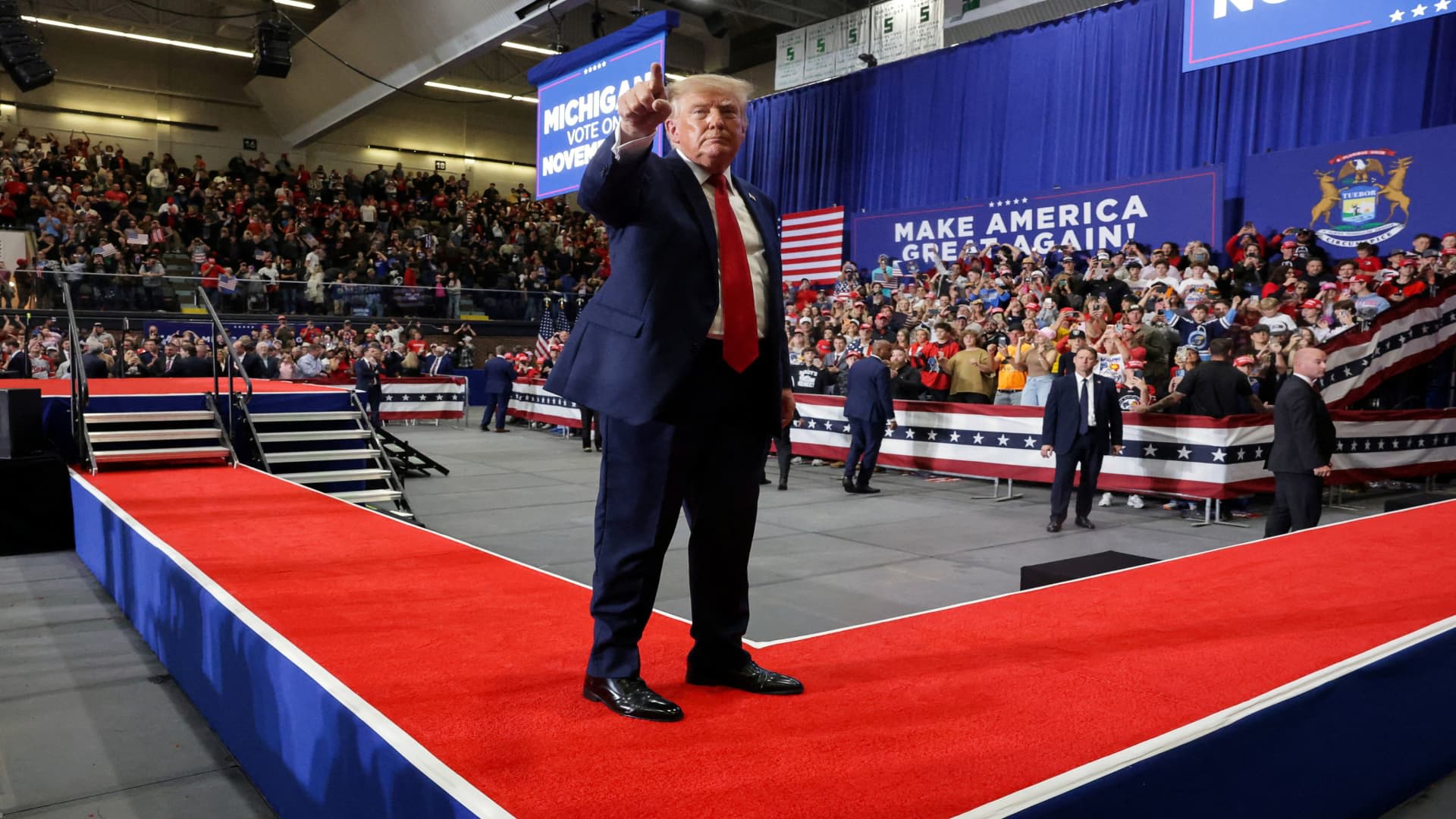
Recent election results abroad suggest that Donald Trump's political influence may be waning on the international stage. While his endorsement remains powerful in U.S. Republican primaries, this domestic success has not translated into consistent electoral victories for his ideological allies in foreign nations.
The Limits of Transatlantic Populism
Recent global election cycles have sparked a rigorous debate regarding the reach of former U.S. President Donald Trump’s political brand. While Trump maintains a formidable grip on the American Republican Party, recent losses by right-wing leaders aligned with his ideology in foreign nations suggest that his international influence is far from absolute. The defeat of Trump-aligned candidates in high-profile foreign contests indicates a potential decoupling of domestic populist success from global electoral trends.
Domestic Dominance vs. Global Reach
Within the United States, Trump’s influence remains quantifiable and potent, particularly during primary cycles. As of August, the former president claimed a 97% success rate for candidates he endorsed, a statistic that underscores his ability to reshape the Republican Party’s internal hierarchy. By effectively targeting and neutralizing political rivals such as Senator John Cornyn and Representative Thomas Massie, Trump has demonstrated an unparalleled capacity to enforce party discipline and dictate the trajectory of U.S. conservative politics.
The Failure of the 'Trump Effect' Abroad
Despite his successes on home soil, the 'Trump effect' appears to encounter significant friction when exported. The recent victory of Luiz Inácio Lula da Silva in Brazil over a Trump-aligned incumbent serves as a primary case study for this limitation. While Trump has never hesitated to voice opinions on foreign leadership, his public support has not functioned as a reliable catalyst for victory for his international counterparts, suggesting that foreign electorates are driven more by local economic and social grievances than by alignment with American political figures.
Historical Context and Political Branding
Historically, populist movements have often sought to build transnational networks to validate their domestic legitimacy. Trump’s brand, characterized by nationalist rhetoric and a disruption of traditional political norms, provided a blueprint for similar movements globally. However, as these movements encounter the realities of governance and shifting voter demographics, the initial allure of the 'Trump model' is being tested against the pragmatic needs of diverse international populations.
Future Trends and Electoral Realities
Looking ahead, the divergence between Trump’s domestic primary dominance and his international electoral failures suggests that his influence may become increasingly insular. Future election cycles will likely show that while Trump remains a kingmaker within the U.S. Republican Party, he lacks the institutional or structural mechanisms to sway voters in sovereign nations with distinct political cultures. We can expect to see a recalibration in how international right-wing parties view their relationship with American populism, moving toward more localized strategies rather than relying on external endorsements.
Conclusion: A Nuanced Influence
In summary, the narrative of Trump’s global influence is clearly stratified. While his ability to influence American primary races is well-documented and remains high, his broader influence on global elections remains inconsistent and arguably weakening. As the global political landscape evolves, the limitations of his reach abroad serve as a reminder that electoral outcomes remain fundamentally tied to the unique political and social fabric of individual nations.