Samajwadi Party puts BJP on notice for 2027 poll battle with MLC poll wins
Source Entity
Maulshree Seth
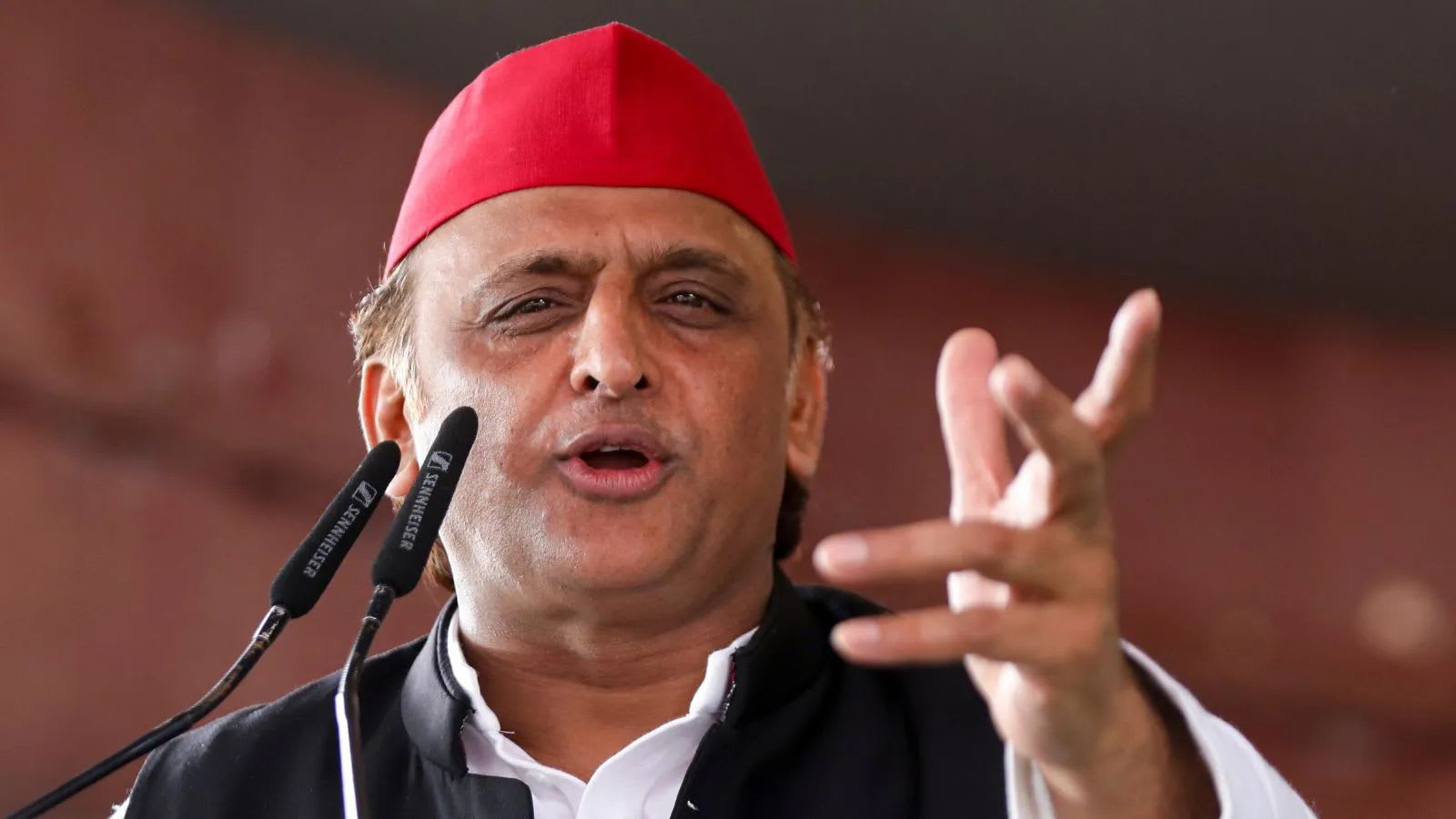
The Samajwadi Party's recent victory in 5 of 11 Uttar Pradesh Legislative Council seats has bolstered their confidence for the 2027 assembly elections. This performance secures their position as the formal opposition and signals a shifting political momentum in the state.
Shifting Political Tides: The Samajwadi Party’s MLC Victory
The political landscape of Uttar Pradesh is undergoing a palpable transformation following the recent Legislative Council (MLC) elections. The Samajwadi Party (SP) secured 5 out of the 11 contested seats, a performance that has significantly boosted party morale and solidified their legislative standing. By reaching a total of 12 seats in the Council, the SP has successfully crossed the threshold of 10 seats required to maintain the formal position of Leader of the Opposition (LoP), ensuring they remain a potent institutional check against the ruling Bharatiya Janata Party (BJP).
Strategic Gains and Symbolism
The victory is particularly symbolic due to the regions captured, most notably in Varanasi—the political heartland of the ruling establishment—where the SP retained both seats. Furthermore, wresting the Lucknow Graduates seat from the BJP and securing an Agra Teachers' constituency underscores a broadening of the SP’s traditional support base. Supporters have already begun framing these results as a precursor to the 2027 assembly elections, with posters appearing outside the Lucknow party office declaring that the 'PDA' (Pichde, Dalit, Alpsankhyak) message is resonating with the electorate.
Analyzing the BJP’s Position
While the BJP managed to retain six seats, effectively maintaining its numerical dominance in the Council, the narrative surrounding the results is colored by the SP’s growth. Analysts suggest that these results are not an isolated incident but rather a continuation of a trend observed during the 2024 Lok Sabha elections. During that cycle, the SP managed to significantly curtail the BJP’s seat share, proving that the ruling party’s electoral machinery is facing unprecedented challenges in the state.
The '2027' Narrative
The electoral success has emboldened the SP leadership to signal their intent for the 2027 state assembly polls. While party chief Akhilesh Yadav has urged supporters to remain calm and avoid overt celebratory displays, the grassroots energy is undeniable. The claim that 'Akhilesh is coming in 2027' is now a central plank of the party's messaging, suggesting a pivot toward a more aggressive strategy aimed at dismantling the BJP’s long-standing hold on Uttar Pradesh’s governance.
Future Implications and Challenges
For the BJP, the results serve as a critical wake-up call. The internal discourse now involves the potential need to reorganize their candidate lists for the upcoming assembly elections, with suggestions that a significant portion of sitting MLAs may need to be replaced to combat anti-incumbency. The MLC results provide a granular look at voter sentiment, suggesting that the BJP’s traditional dominance in Graduates’ and Teachers’ constituencies is no longer as secure as it once was.
Conclusion
As the dust settles on the 55-hour counting process, the takeaway is clear: the political contest in Uttar Pradesh is becoming increasingly competitive. The Samajwadi Party has successfully transitioned from a period of electoral setbacks to a phase of strategic resurgence. Whether this momentum can be sustained until 2027 remains the defining question for the state, as both major parties prepare for what promises to be a high-stakes assembly election cycle.
Multiple Citing Sources