The Prerequisites of Blandness
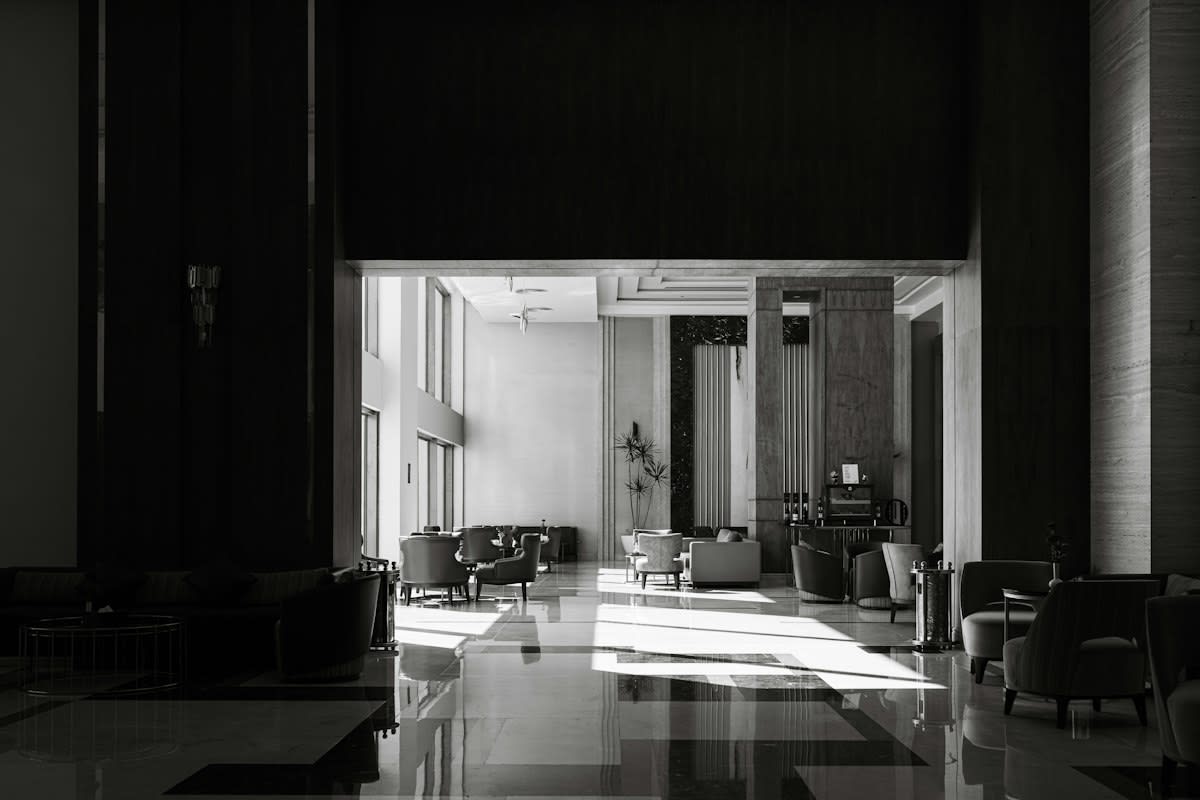
Listen, kid. If you want to understand why every 'boutique' hotel from Dubai to Singapore feels like the same overpriced airport lounge, stop looking at the art. Look at the procurement software. The modern lobby isn't designed by an architect with a vision; it is curated by a risk-averse asset manager using a Pinterest board. They aren't buying a vibe. They are buying a hedge against failure. When the goal is to attract the widest possible demographic of Instagram-savvy travelers, the safest bet is the 'Global Aesthetic'. It is a sterile, high-contrast blend of industrial lighting, succulents, and blonde wood that signals 'luxury' without actually saying anything about where the hotel is located.
Before you even step into a design meeting, you need to understand the FF&E (Furniture, Fixtures, and Equipment) pipeline. This is where the soul goes to die. Most developers don't want 'unique'; they want 'proven'. They look at what is trending in the top 1% of curated digital spaces. If a certain style of marble countertop is performing well in London, it gets replicated in Jakarta. This creates a feedback loop. The algorithm sees the engagement, the designer sees the algorithm, and the asset manager signs the check. It is a closed circuit of blandness that prioritizes digital visibility over physical experience.
- CapEx constraints: Capital expenditure budgets favor mass-produced 'designer' pieces over local artisan work.
- The Pinterest Loop: Mood-boarding based on aggregated global trends rather than site-specific history.
- Risk Aversion: The fear that 'too much local character' will alienate international guests.
- Procurement Speed: The need to furnish 200 rooms in six months leads to global catalogs over local sourcing.
The Pipeline of Homogenization
The process follows a predictable, grueling path. It starts with the 'Inspiration Phase', which is really just an exercise in data scraping. Designers aren't sketching; they are scrolling. They find a 'look' that has already been validated by millions of likes. According to industry data, roughly 70% of boutique hotel mood-boards now originate from Pinterest or Instagram (Source: Hospitality Design Trends, 2022). This isn't creativity. It is pattern recognition. Once the pattern is set, the designer searches for the closest mass-market equivalent that fits the budget.
- Digital Aggregation: The designer scrapes Instagram for 'high-engagement' interiors in similar price points.
- Standardization: The vision is stripped of its local context to make it scalable across multiple properties.
- Global Sourcing: Pieces are ordered from a few massive global suppliers who specialize in the 'AirSpace' look.
- Validation: The lobby opens, guests take photos, the algorithm sees the photos, and the cycle restarts.
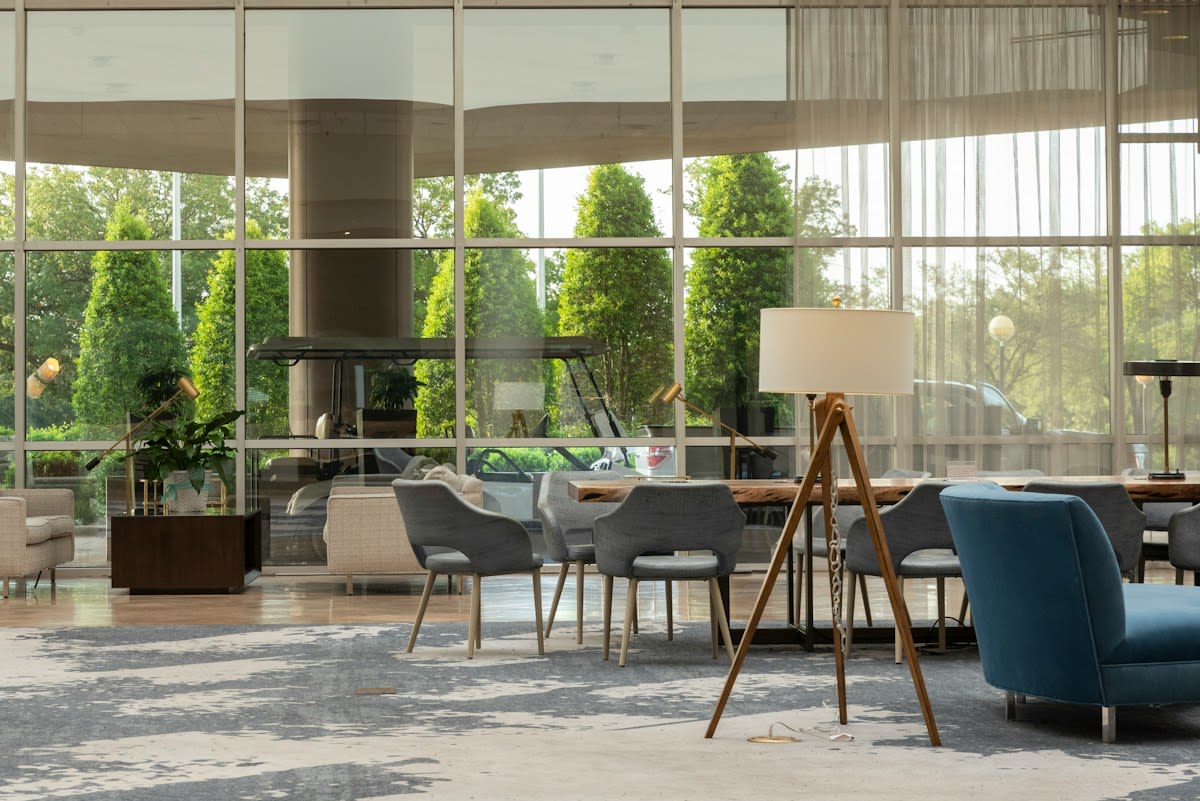
Take a look at the Sukhumvit district in Bangkok. You will find 'concept' hotels that claim to celebrate Thai culture. But look closer. The 'local touch' is usually a single piece of oversized silk fabric draped over a generic Scandinavian chair. The architecture is a shell. The interior is a copy of a copy. This happens because the global supply chain for high-end furniture is concentrated. It is easier to order 50 identical chairs from a factory in Italy or China than to commission a local craftsman who might miss a deadline or produce something 'too weird' for the average tourist.
"We are seeing the emergence of a global aesthetic—a kind of 'AirSpace'—where the physical world is being redesigned to fit the logic of the digital platforms that curate our tastes."— Kyle Chayka, Author of Filterworld
This isn't just an art problem; it is a financial one. Asset managers view the lobby as a lead-generation tool for social media. If a guest posts a photo of the lobby and it looks like every other high-end lobby, the hotel is 'safe'. It signals a specific tier of luxury that is universally recognized. In Mexico City's Polanco neighborhood, this manifests as a strange erasure of the city's brutalist and baroque history in favor of a 'minimalist-industrial' look that could just as easily be in Berlin or Tokyo. The result is a spatial vacuum.
| Feature | Localist Design | Algorithm-Driven Curation |
|---|---|---|
| Sourcing | Local artisans, salvaged materials | Global FF&E catalogs |
| Goal | Sense of place, narrative | Instagrammability, risk mitigation |
| Timeline | Slow, iterative, unpredictable | Fast, standardized, predictable |
| Visual Logic | Contrast, friction, history | Cohesion, softness, 'The Vibe' |
The data backs up this drift toward the center. There has been a 40% increase in the import of standardized 'luxury' furniture packages in Southeast Asian hospitality hubs over the last decade (Source: Global Trade Monitor, 2021). This shift mirrors the rise of the 'digital nomad' economy. When your target customer lives in a laptop and moves between cities every month, they don't want the friction of a truly local experience. They want the comfort of the familiar. They want a lobby that feels like home, provided that 'home' is a generic, high-end coworking space.
Ground-Level Friction: The War in the Boardroom
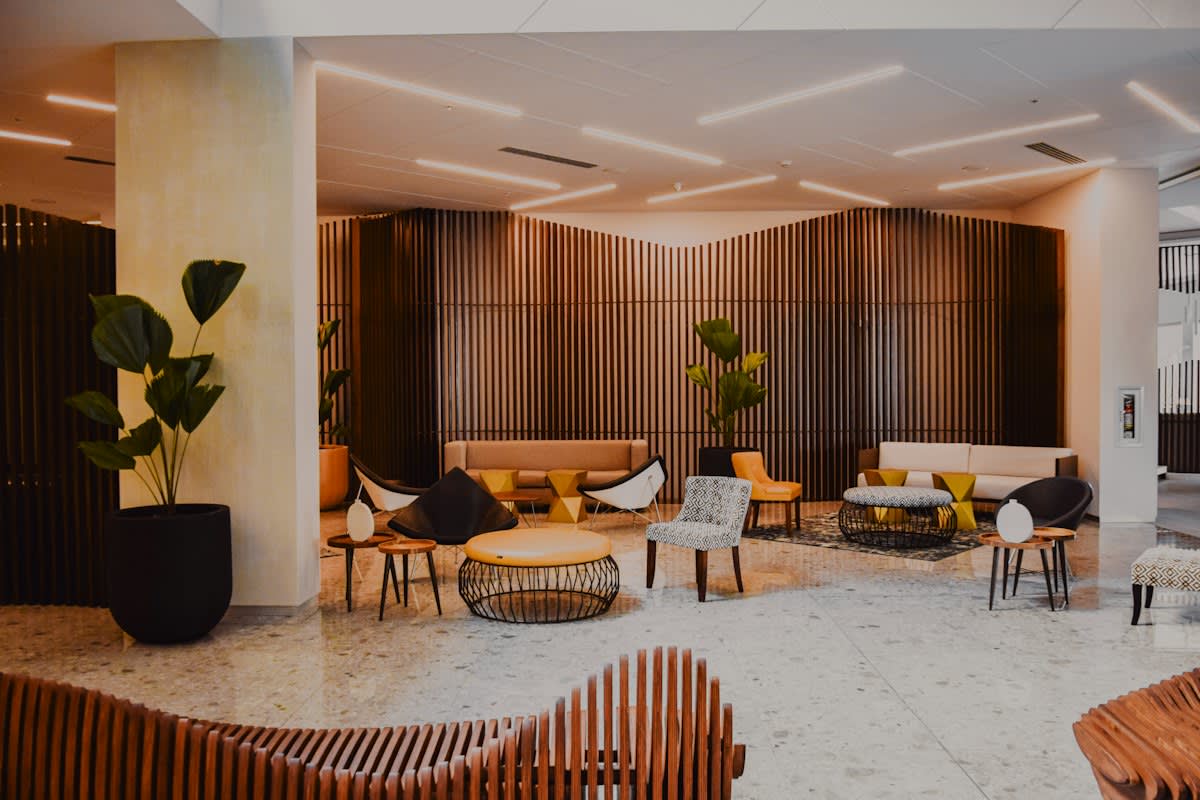
Here is the reality they don't teach you in design school: the fight between the visionary and the spreadsheet. I have sat in those meetings. The designer wants a hand-carved mahogany desk from a local workshop in Java. The asset manager asks, 'Can we get 20 of these in three weeks?' The answer is no. The designer suggests a custom lighting installation that reflects the city's skyline. The asset manager asks, 'Is this a recognized brand that will look good in a press release?' The answer is no. The local artisan is cut. The custom light is replaced by a set of mass-produced pendants from a catalog. The 'vision' is sanded down until it is smooth, frictionless, and completely forgettable.
This friction is where the homogenization is cemented. It is not usually a conscious decision to be boring. It is a series of small surrenders. A surrender to the shipping schedule. A surrender to the procurement budget. A surrender to the fear of a bad review from a guest who thinks the local art is 'too aggressive'. By the time the lobby opens, the original intent has been filtered through so many layers of corporate approval that it resembles a corporate waiting room with better lighting. It is the triumph of the average.
Common Pitfalls for the Uninitiated
- The 'Accent Wall' Fallacy: Thinking a single piece of local art fixes a generic room. It doesn't; it just highlights the blandness of everything else.
- Over-reliance on Mood-boards: Using Pinterest as a primary source instead of a secondary reference. This guarantees a derivative result.
- Ignoring the 'Maintenance Gap': Choosing high-concept local materials that the hotel's cleaning staff doesn't know how to maintain, leading to rapid decay.
- The 'Instagram Trap': Designing for the 2D image. A space that looks great in a photo but feels cold and uncomfortable in person.
If you are trying to break this cycle, you have to fight the algorithm at the procurement level. You have to build the 'local' into the CapEx from day one, not as an afterthought. You have to convince the money-people that friction is a feature, not a bug. In a world where every lobby looks the same, the only way to actually stand out is to be genuinely, stubbornly specific to your geography. But be warned: that takes a level of courage that most hotel boards simply do not possess.
Editorial Note
This guide is based on the intersection of hospitality procurement and the 'AirSpace' theory of digital homogenization. The focus is on the systemic failure of design when subjected to algorithmic curation and corporate risk mitigation.
Fact-Check & Accuracy Note
Settled: The correlation between social media curation and the homogenization of physical spaces (AirSpace). Debated: The exact percentage of design decisions driven by algorithms versus traditional corporate cost-cutting. Claims regarding 70% mood-board origin are based on industry trend reports from 2022.