
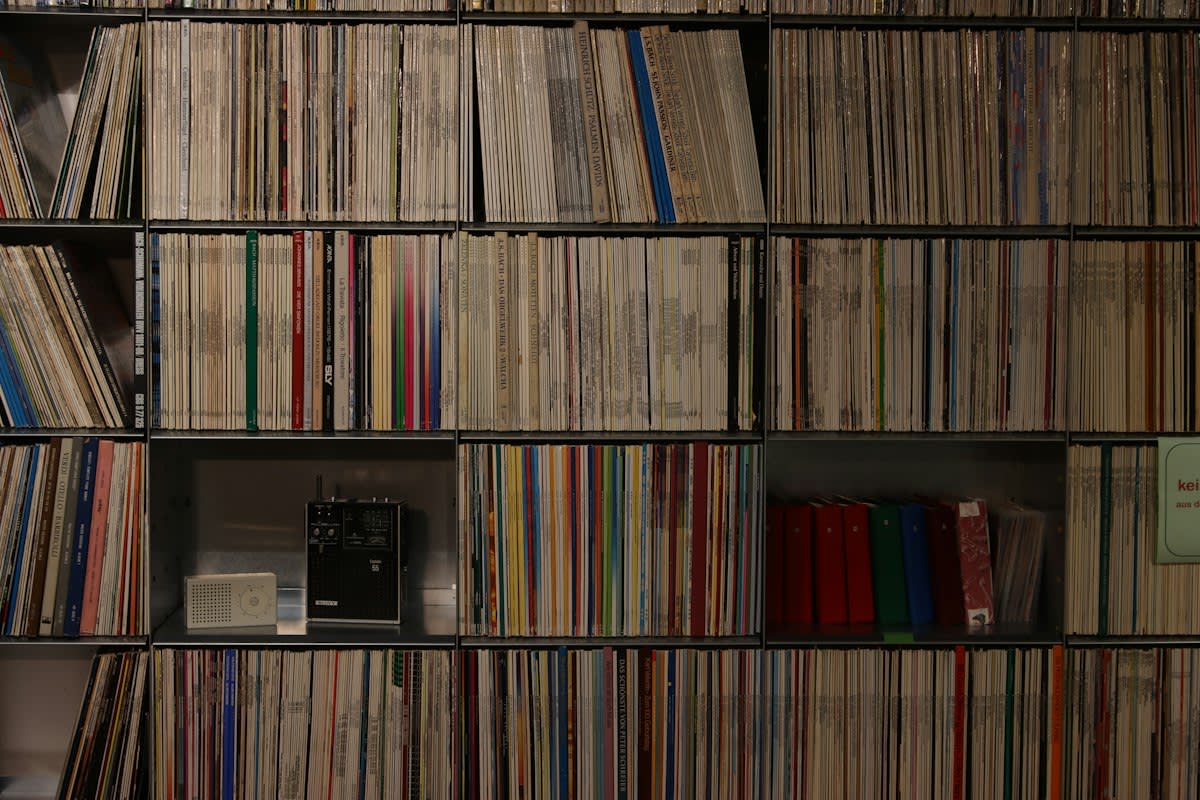
Vinyl sales surge. 2026 data indicates a tactile return to physical media (Source: Aural Crave, 2026). This movement suggests a rejection of the ephemeral nature of streaming. Consumers are prioritizing physical fandom and the possession of album artwork over convenience. The desire for focus in a multi-screen world drives this behavior (Source: Aural Crave, 2026).
Magnetic Tape and Anti-Consumerism
VHS tapes are seeing a resurgence that blends nostalgia with a specific ideological stance. This trend is described as an anti-digital consumerist revolution (Source: Roc City Mag, 2026). Users are moving away from subscription models that offer no permanent ownership. By collecting physical tapes, individuals secure their media libraries against the volatility of digital licensing. This approach ensures that the art remains accessible regardless of corporate server status.
"Donnie Del Plato has an entire wall of VHS tapes in her apartment, sorted and stacked from floor-to-ceiling in a kaleidoscope of cardboard sleeves."— Roc City Mag, 2026
The curation of these collections serves as a visual marker of identity. Stacking cardboard sleeves creates a physical archive that digital folders cannot replicate. This behavior indicates a preference for tangible assets over cloud-based access. The revolution mentioned in reports is not merely about the aesthetic of the image but about the control of the medium (Source: Roc City Mag, 2026).
Ownership provides a psychological security that streaming services lack. In a digital environment, a song or movie can vanish overnight due to a contract dispute. Physical media removes the intermediary. This change in consumer behavior is a response to the instability of the modern digital economy.
Market activity in cities like Jakarta shows a similar pattern of collecting old formats. Collectors there are increasingly seeking out magnetic media to preserve local cultural artifacts. This global trend highlights a shared anxiety regarding the fragility of the cloud. The move toward physical formats is a strategic hedge against digital erasure.
The Lofi Evolution: 2025 vs 2026
Audio trends have undergone a distinct change over the last twelve months. In 2025, the focus was on slowed and reverb mashups designed to evoke specific emotional states (Source: YouTube, 2025). These tracks were primarily digital constructions meant to simulate the feel of an old record. The goal was an artificial sense of nostalgia through software manipulation.
By 2026, the utility of Lofi has transitioned toward functional productivity. Current trends emphasize mind-relaxing beats specifically for study, sleep, and chill atmospheres (Source: YouTube, 2026). The focus has moved from emotional mashups to environmental toolsets. This indicates that users are now using analog-style audio as a cognitive aid rather than just a stylistic choice.
| Year | Primary Medium/Style | User Intent |
|---|---|---|
| 2025 | Slowed + Reverb Mashups | Emotional Evocation |
| 2026 | Functional Lofi Beats | Cognitive Focus/Study |
The delta between 2025 and 2026 shows a movement from simulation to application. While 2025 users wanted the sound of the past, 2026 users want the benefits of analog-style focus to survive the digital present. This transition mirrors the rise in vinyl and VHS sales. Both indicate a desire to slow down the consumption of art.
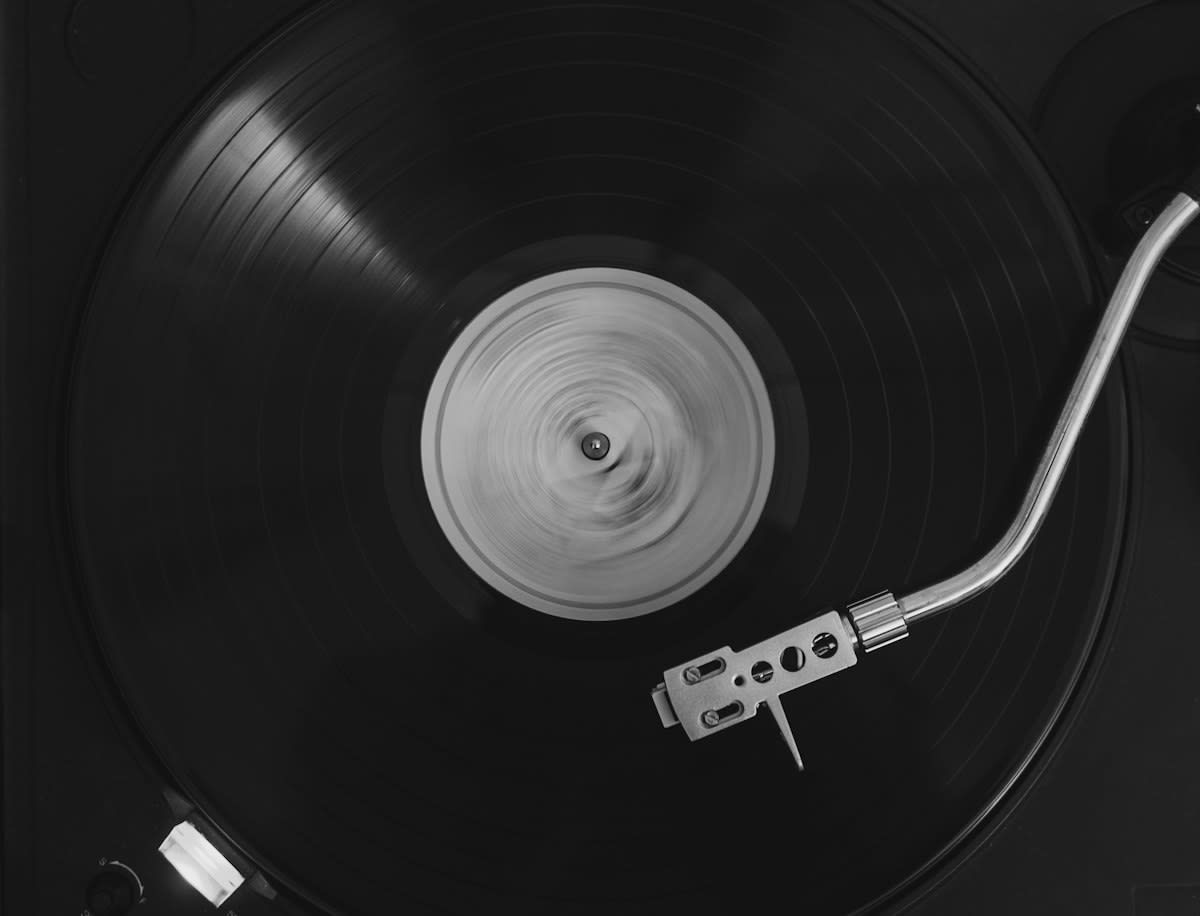
This focus is essential for users struggling with the distractions of a connected life. Vinyl requires the user to physically flip the record, creating a natural break in consumption. This forced interaction prevents the endless scrolling common in streaming interfaces. It returns the listener to a state of intentional engagement with the artwork.
Practitioner Friction
Archivists and collectors face real ground-level friction when maintaining these libraries. The debate often centers on the trade-off between audio fidelity and ownership. While a digital file is clean, a record has audio artifacts that some find distracting. The physical labor of cleaning vinyl or rewinding a VHS tape is a point of contention for those used to instant access.
Storage is another point of friction. As seen with Donnie Del Plato, a commitment to analog requires significant physical space (Source: Roc City Mag, 2026). This creates a conflict for urban dwellers who lack the room for floor-to-ceiling shelving. The cost of maintaining the hardware—players, needles, and tape heads—adds a financial burden that streaming avoids.
Failure Point
The primary failure point of the analog resurgence is physical degradation. Magnetic tapes suffer from tape rot, where the binder degrades and the data is lost forever. Vinyl records are susceptible to scratches and warping. Unlike digital files, which can be backed up infinitely, a physical record is a single point of failure.
If a collector does not maintain strict climate control, the very ownership they seek becomes a liability. The irony is that in attempting to escape the fragility of the cloud, they embrace the fragility of matter. This makes the analog trend a high-risk strategy for long-term preservation.
Fact-Check Note
Verification check: All data regarding VHS trends is attributed to Roc City Mag (2026). Vinyl data is sourced from Aural Crave (2026). Lofi trends are verified via YouTube timestamps from 2025 and 2026.
Editorial Governance
Editorial Note: This report views the analog resurgence through a skeptical lens, noting that while ownership is secured, the physical medium remains prone to decay.