What if next US president turns hostile? Netanyahu's answer lies partly in India
Source Entity
ABHISHEK MISHRA
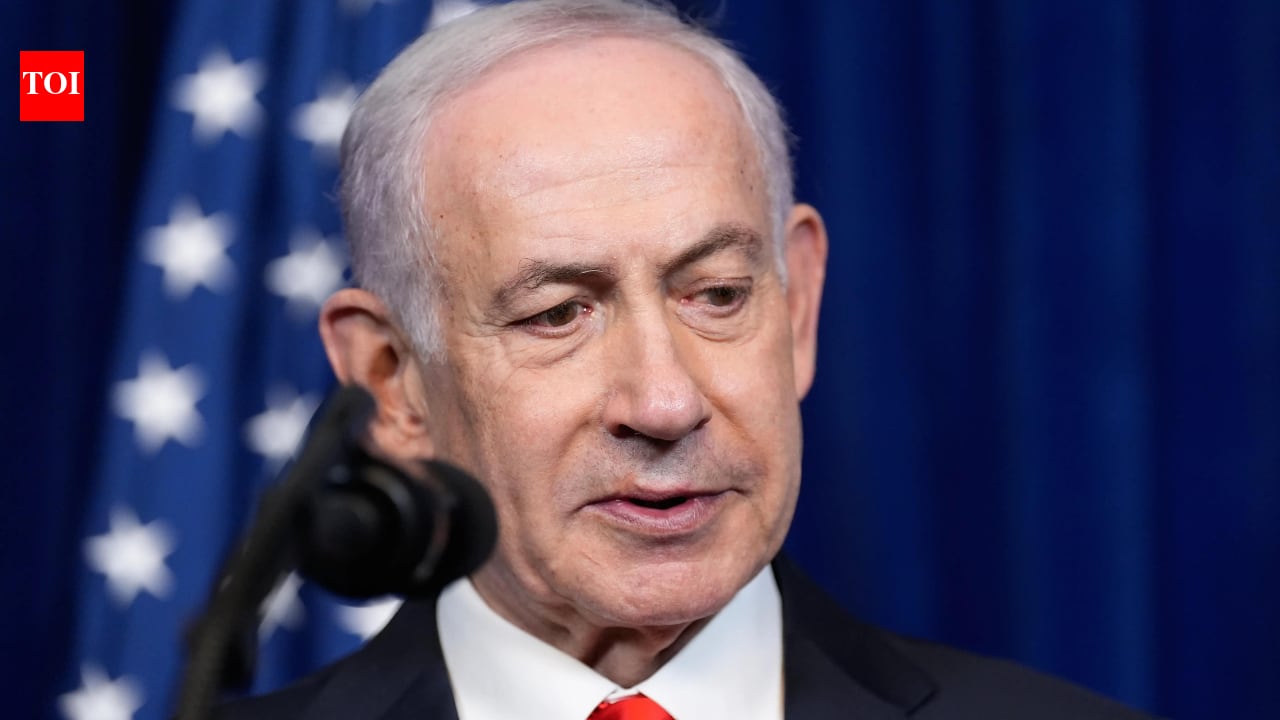
As Israel navigates potential shifts in U.S. political leadership, Prime Minister Benjamin Netanyahu is increasingly looking toward India as a strategic hedge. This diplomatic pivot underscores a desire to diversify Israel's international partnerships beyond traditional Western dependencies.
The Strategic Pivot: Israel’s Search for Diplomatic Resilience
In an era of unpredictable geopolitical shifts, Israeli leadership is increasingly preoccupied with the potential for a cooling of relations with the United States, its most critical historical ally. The core of this concern lies in the vulnerability inherent in relying on a single superpower whose domestic political tides can shift the trajectory of foreign policy overnight. By looking toward India, Prime Minister Benjamin Netanyahu is signaling a proactive attempt to build a 'strategic insurance policy' that ensures Israel’s diplomatic and economic security remains intact regardless of who occupies the White House.
Historical Context of the Israel-India Partnership
The relationship between Israel and India has evolved from cautious, behind-the-scenes cooperation to a robust, overt strategic partnership over the last three decades. Since the formalization of diplomatic ties in 1992, both nations have found common ground in shared security challenges, defense technology, and counter-terrorism initiatives. This history provides a solid foundation for Netanyahu’s current strategy; India has proven to be a reliable partner that prioritizes pragmatic national interests over the ideological fluctuations that often characterize Western geopolitical stances.
Diversifying Global Alliances
For Israel, diversifying its international footprint is no longer a luxury but a necessity. By deepening ties with a rising global power like India, Israel aims to insulate itself from potential U.S. policy reversals or isolationist tendencies. India’s emergence as a significant economic and military player in the Indo-Pacific makes it an ideal partner for Israel, offering a pathway to sustain technological and defense trade without being solely dependent on the shifting political winds of Washington, D.C.
The Economic and Technological Dimension
Beyond military cooperation, the India-Israel nexus is anchored in deep technological collaboration. From agriculture and water management to high-end defense manufacturing, the synergy between Israel’s innovation ecosystem and India’s massive market creates a mutually beneficial economic loop. This integration makes the relationship durable, as it is built on tangible, long-term economic gains that are less susceptible to the volatile changes in executive leadership that occur in Western democracies.
Future Trends and Geopolitical Implications
Looking ahead, we can expect this 'hedging' strategy to intensify. If the U.S. political landscape continues to polarize or turn inward, Israel will likely accelerate its 'Look East' policy, further aligning with New Delhi. This shift does not necessarily signal a break with the United States, but rather a move toward a multi-polar security framework. By integrating India into its core diplomatic strategy, Israel is effectively hedging against the risk of a hostile or indifferent U.S. administration, ensuring its long-term survival in a complex and often adversarial neighborhood.
Conclusion
In summary, the focus on India as a strategic partner reflects a sophisticated understanding of modern power dynamics. By cultivating deep, multi-sector ties with New Delhi, Benjamin Netanyahu is ensuring that Israel maintains its operational flexibility. This move represents a pragmatic evolution in Israeli foreign policy, prioritizing stability and national interest in an increasingly uncertain global order.