In this village, Ravan is killed, not burned
Source Entity
TNN
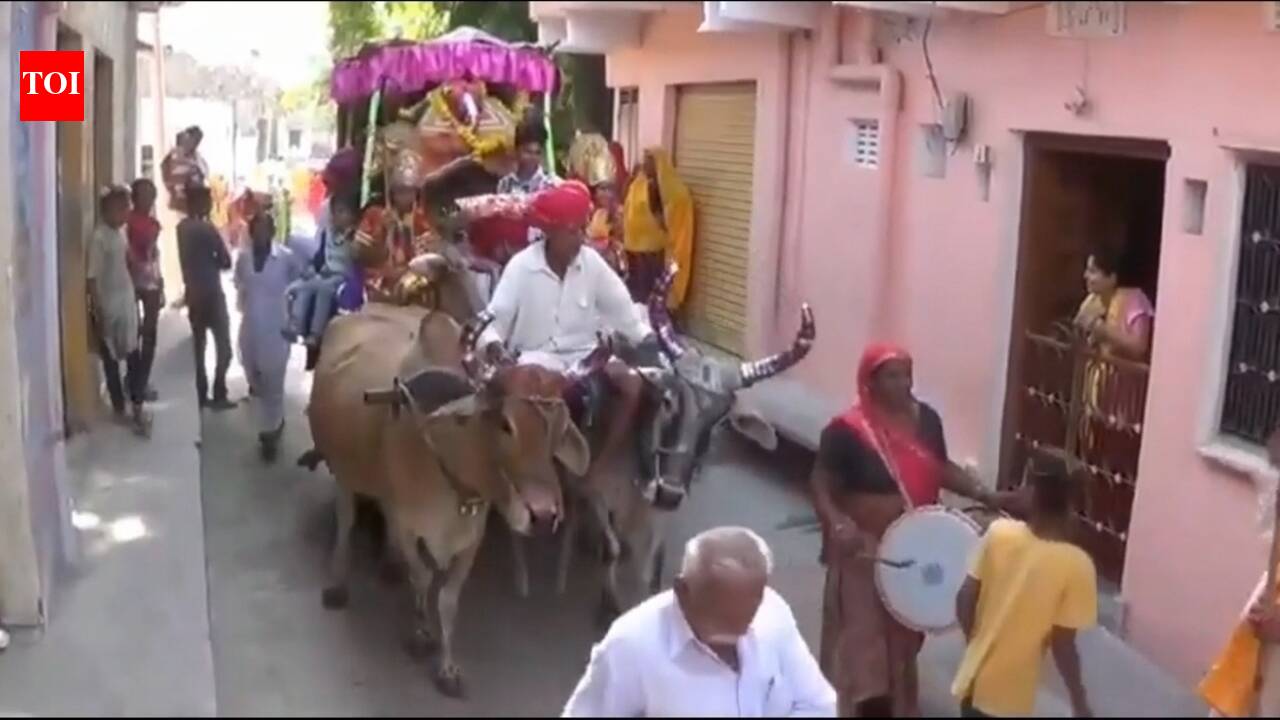
Unique traditions in Ropa, Rajasthan, and Satna, Madhya Pradesh, deviate from standard Dussehra practices by venerating rather than burning Ravana. These historical sites highlight localized cultural interpretations of the Ramayana that emphasize Ravana’s scholarly stature.
Rethinking Tradition: The Veneration of Ravana
In the broader landscape of Indian cultural observances, the festival of Dussehra is almost universally synonymous with the burning of effigies representing the demon king Ravana. However, the unique customs observed in Ropa village, Rajasthan, and the Kothi police station in Satna, Madhya Pradesh, offer a profound counter-narrative. By choosing to preserve and worship statues of Ravana rather than consigning them to flames, these communities challenge the monolithic portrayal of the character, highlighting instead a local reverence for his role as a scholar and devotee of Lord Shiva.
The Scholarly Iconography of Ropa
In Ropa, the tradition has been sustained for approximately a century, centered around a permanent 10-foot cement statue. Rather than the transient act of burning, villagers engage in an annual ritual of repainting the statue and performing scenes from the Ramayana. This practice serves as a community-binding event that recontextualizes the epic, framing Ravana not merely as a villain to be destroyed, but as a figure of historical and intellectual complexity worthy of nuanced remembrance.
The Nine-Headed Guardian of Kothi
In the Satna district of Madhya Pradesh, the narrative takes a more institutional turn. Within the Kothi police station, a 300-year-old idol—distinctive for its nine heads rather than the traditional ten—is protected by the state machinery itself. Local belief posits that Ravana sacrificed his tenth head to Lord Shiva, an act that has solidified his status as an object of devotion for generations of a local priest’s family. The fact that this idol is housed within a police station underscores the integration of ancient myth into the modern administrative geography of the region.
Historical and Cultural Implications
These practices illustrate the diversity of the Indian subcontinent’s cultural fabric, where local oral histories often diverge from mainstream epic narratives. By maintaining these statues, these villages act as custodians of a variant mythology that predates modern standardization. This preservation suggests that for these communities, the essence of the Ramayana is not found in the destruction of an antagonist, but in the recognition of complex characters who embody both shadow and light.
Future Trends and Cultural Preservation
As India continues to modernize, the survival of such hyper-local traditions becomes increasingly significant. The existence of these sites—and the suggestion that more such idols may exist—points to a hidden layer of cultural history that remains largely undocumented. Protecting these sites, as seen in the Kothi police station, ensures that these alternative perspectives on the Ramayana are not lost to time, serving as a reminder that folklore is rarely a singular, static story, but a living, breathing tradition that evolves with those who tell it.