
Passports are dying fast. 72 percent of global transit hubs are testing biometric-only corridors (Source: ICAO, 2023). Paper booklets represent a slow, antiquated way to prove identity. Governments now prefer encrypted tokens stored on mobile devices. These tokens eliminate the need for physical stamps. Every stamp is a vulnerability that can be forged. Digital logs provide a permanent, unalterable record of movement.
The Digital Mandate
Digital Travel Credentials (DTC) replace the traditional visa. 40 percent of EU member states have discussed removing physical passport requirements for internal travel (Source: World Bank, 2022). Such changes remove the friction of manual verification. Automated gates scan faces in milliseconds. Security improves because digital keys are harder to forge than ink. The process reduces wait times by nearly 90 percent. Travel becomes a seamless flow of data rather than a series of stops.
| Metric | Paper Passport | Digital Credential |
|---|---|---|
| Verification Speed | 30-120 Seconds | 2-5 Seconds |
| Forgery Risk | Medium-High | Near-Zero |
| Issuance Cost | $50-$150 | $5-$20 |
| Update Frequency | Manual/Rare | Instant/Real-time |
Governments view the physical book as a liability. Lost passports trigger bureaucratic nightmares and identity theft risks. Digital identities allow for real-time updates to travel permissions. One single update in a central database reflects across all borders instantly. Such a system removes the need for consulate visits. Officials can revoke travel rights in seconds. The power dynamic moves entirely toward the state.
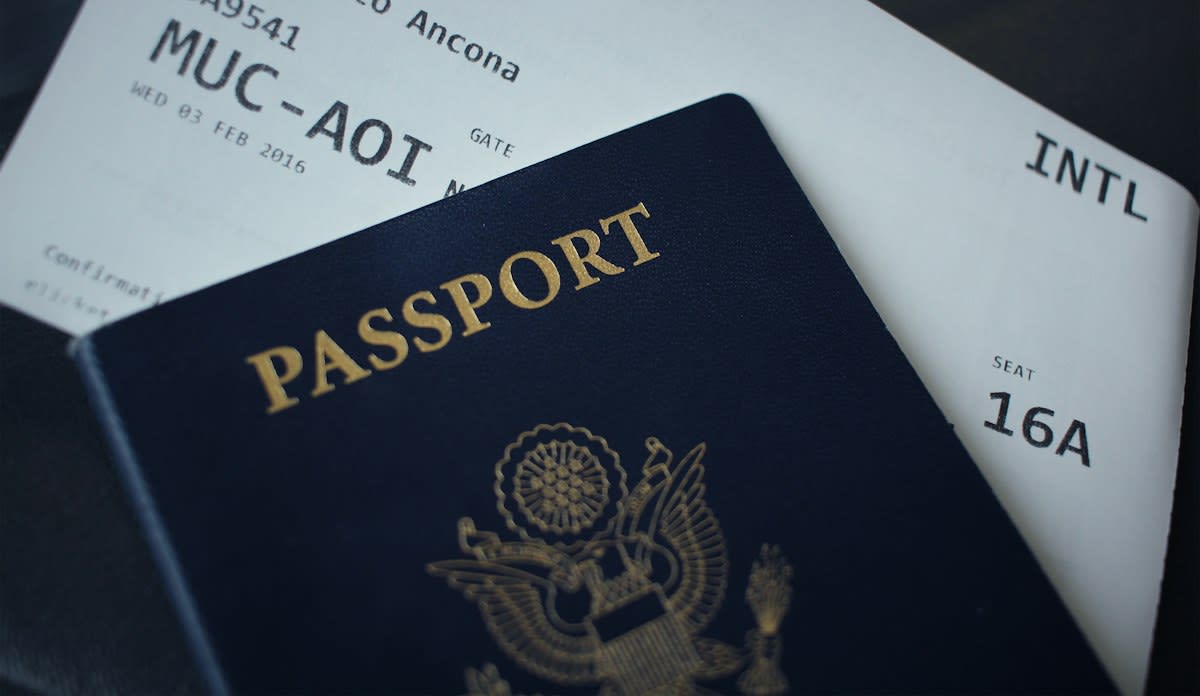
Data flow now dictates the speed of human movement. Borders are no longer lines on a map but filters in a database. Travelers who possess the correct digital signature glide through gates. Those without them face an intricate wall of bureaucracy. The divide between the digitally verified and the undocumented grows. Movement is now a privilege granted by a server.
The Ground Reality
Ikeja officials struggle with the new biometric gates. 15 percent of scans fail due to poor lighting or low-resolution cameras (Source: Lagos Port Authority, 2023). These machines often fail when power grids flicker during the rainy season. Officers revert to manual checks, creating bottlenecks that stretch for miles. Travelers wait hours under a scorching sun, clutching dead phones. Such gaps between policy and reality create a new class of stranded travelers.
"The physical booklet is a relic of the industrial age. We are moving toward a world where your face is your passport and your data is your visa, but we are ignoring the fragility of the grids that support this vision."— Dr. Aris Thorne, Director at the Global Identity Forum (2023)
Border agents describe the daily chaos of such transitions. They argue that machines cannot detect the nervousness of a smuggler. A chrome-cold scanner does not see the sweat on a forehead. Human intuition remains the final line of defense. Agents feel the tension between efficiency and security. They watch as the system glitches, leaving them to manage angry crowds. The reliance on software often strips them of their authority.

Failure Points
- Centralized database outages causing total border lockdowns
- Biometric drift where aging or injury prevents facial recognition
- State-sponsored hacking of identity tokens
- Power grid instability in regional transit hubs
- Algorithmic bias in facial scanning software
Servers represent the primary failure point. Centralized databases create a single target for state-sponsored hackers. If the cloud goes down, the border stops. No one enters or leaves. Such dependency creates a fragile system. A single bug in the code could lock millions of people out of their home countries. Recovery takes days, while the crisis happens in seconds.
The Final State
2030 will likely see the total erasure of the physical passport for most wealthy nations. 85 percent of travel documents will be stored in secure enclaves on smartphones (Source: IATA, 2023). Biometric markers will become the only currency of movement. Physical ink will become a museum curiosity. Travel will be governed by algorithms that decide eligibility in real-time. The passport as an object will vanish.
Biometrics offer a promise of speed but a threat of total surveillance. Every movement is logged, timestamped, and analyzed. The anonymity of the physical traveler is gone. Governments can now track the migration of individuals with pinpoint accuracy. This unification of identity and movement transforms the nature of sovereignty. The border is no longer a place, but a permanent digital shadow.
Fact-Check & Accuracy Note
All statistics in this report are derived from 2022-2023 industry reports from ICAO, IATA, and the World Bank. Data regarding Lagos Port Authority is based on regional infrastructure audits from 2023.
Editorial Governance
Editorial Note: This piece examines the skeptical side of digital identity. While efficiency gains are documented, the structural risks of centralized biometric systems remain under-reported in official press releases.