Pulsar at ESUG 2026 (new Smalltalk IDE)
Source Entity
Hacker News
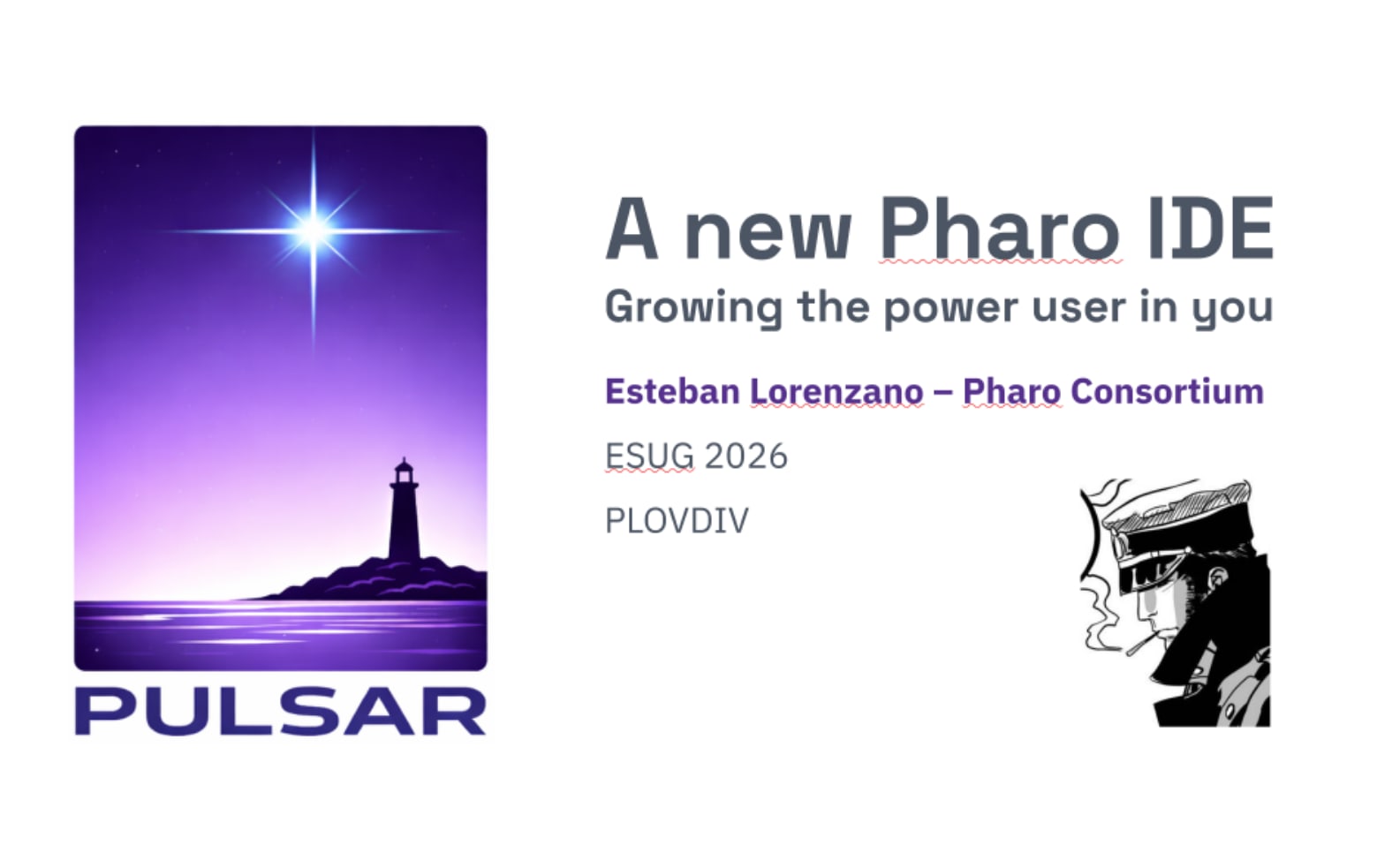
At ESUG 2026, a new coding-first IDE called Pulsar was introduced for the Pharo programming environment. The project emphasizes maintaining developer intimacy with code despite the rise of generative AI tools.
The Emergence of Pulsar: Refocusing on the Code
At the ESUG 2026 conference, a significant development in the Smalltalk ecosystem was unveiled with the introduction of Pulsar, a new Integrated Development Environment (IDE) specifically designed for Pharo. The project marks a deliberate pivot back to the fundamentals of software engineering, prioritizing the developer's direct interaction with the codebase over the increasingly common trend of abstracting away technical details.
The Philosophy of "Coding-First"
The core thesis behind Pulsar is that programming tools must facilitate a deep understanding of the underlying system. By enabling developers to navigate, manipulate, and comprehend the architecture of their software, Pulsar seeks to address the growing gap created by modern RAD (Rapid Application Development) tools. In an era where complex systems are often hidden behind layers of abstraction, Pulsar advocates for staying close to the code, ensuring that the developer remains the primary architect of the system's logic.
Generative Agents vs. Developer Agency
The rise of generative agents has transformed the landscape of software development, often automating the creation of boilerplate and functional code. However, the creators of Pulsar argue that these tools do not diminish the need for foundational IDE capabilities. Instead, they suggest that the ability to navigate and change a system is even more critical when generative tools are involved, as developers must maintain strict oversight and understanding of the code being generated.
Navigating the Future of Pharo
Pharo, as a live programming environment, has long been a bastion for developers who value introspection and immediate feedback loops. Pulsar appears to be an evolution of this philosophy, tailored for the challenges of 2026. By building an IDE that treats the code as a first-class citizen, the project aims to equip programmers with the tools necessary to manage the complexity of modern software without losing the clarity that is central to the Smalltalk experience.
Broader Implications for IDE Design
Looking ahead, the success of Pulsar could signal a broader trend in developer tooling. As generative AI continues to saturate the market, we may see a bifurcation in IDE design: tools that focus on AI-driven generation and tools that focus on AI-augmented comprehension. Pulsar firmly positions itself in the latter camp, suggesting that the future of productive programming lies in the synergy between human mastery of the system and the efficiency gains provided by contemporary automation.
Conclusion
The introduction of Pulsar at ESUG 2026 serves as a timely reminder that while technology evolves, the necessity of deep code comprehension remains constant. By prioritizing the developer's ability to engage directly with their work, Pulsar ensures that the Pharo ecosystem remains robust and developer-centric in an increasingly automated world.