Your Social Media Posts Can Help Scammers Target You. Here's How
Source Entity
NDTV News Search Records Found 1000
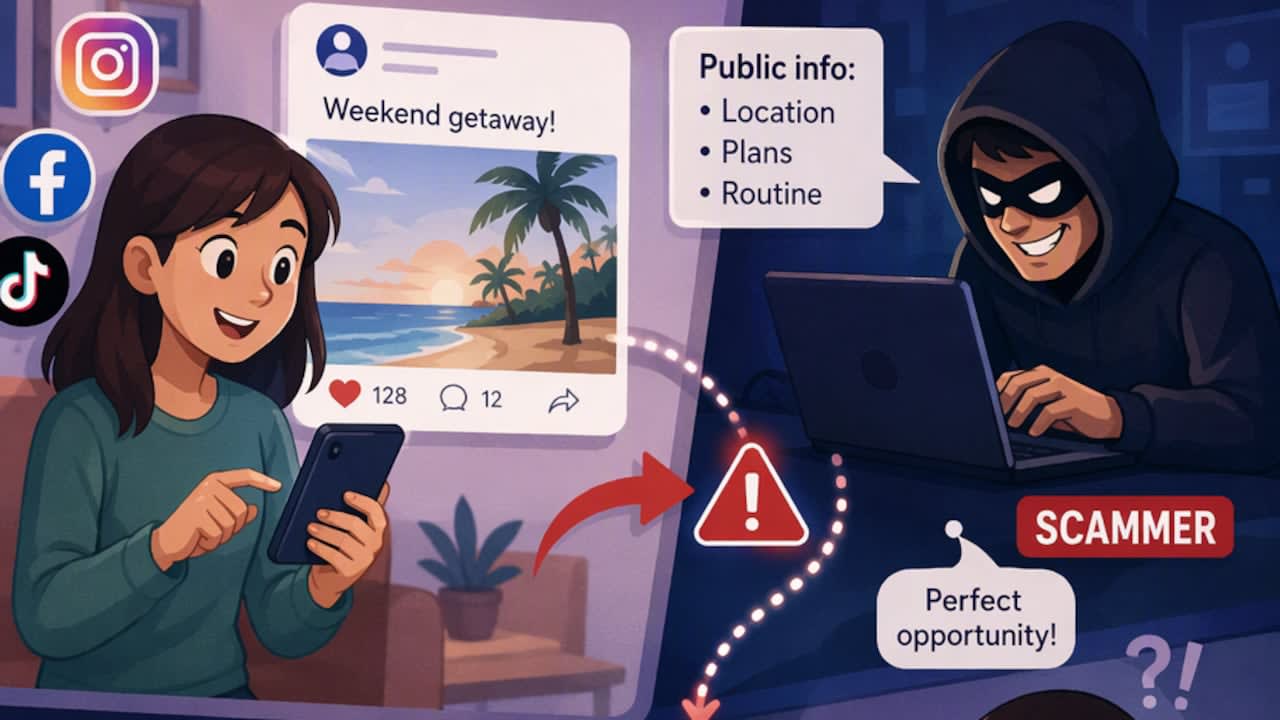
Social media users inadvertently provide scammers with personal data used for identity theft and fraud. Maintaining privacy settings and limiting public disclosures is essential to mitigating these security risks.
The Hidden Risks of Your Digital Footprint
In the contemporary digital landscape, social media platforms have become an integral part of our daily lives, serving as hubs for communication, professional networking, and personal expression. However, the convenience of these platforms often masks a significant security vulnerability: the inadvertent disclosure of personal data. Every post, tagged location, and shared life milestone creates a comprehensive digital profile that malicious actors can exploit for identity theft and highly targeted fraud.
How Scammers Weaponize Your Data
Scammers operate by aggregating seemingly innocuous fragments of information from various social media feeds. A simple post about a pet's name, a graduation date, or a vacation location can provide the necessary answers to security questions or the context needed for sophisticated phishing attacks. By analyzing public profiles, criminals can construct convincing narratives to impersonate trusted individuals, leading to financial loss or unauthorized access to sensitive accounts.
The Mechanics of Targeted Fraud
Targeted fraud, often referred to as spear-phishing, relies heavily on the quality of intelligence gathered about a victim. When users publicly display their interests, professional affiliations, and social circles, they provide scammers with a roadmap. This allows perpetrators to craft highly personalized messages that bypass the skepticism of a user, as the communication appears to originate from a familiar or contextually relevant source, thereby increasing the likelihood of successful manipulation.
The Broader Implications for Privacy
The phenomenon of social media-based fraud highlights a broader systemic issue regarding data literacy in the age of connectivity. As platforms continue to incentivize sharing, the barrier between public information and private security becomes increasingly blurred. This trend suggests a future where digital hygiene—the practice of managing one's online footprint—will be as crucial to personal security as physical locks are to home safety.
Mitigating Future Security Threats
Moving forward, users must adopt a proactive approach to managing their online presence. This involves auditing privacy settings, restricting the visibility of past posts, and being mindful of the specific details shared in public forums. As cybercriminals leverage increasingly advanced tools to scrape and analyze public data, the responsibility falls on the individual to limit the "attack surface" available to those seeking to exploit personal information for fraudulent purposes.
Verification Required?