Meta releases its first frontier model, Muse Wonder
Source Entity
Russell Brandom
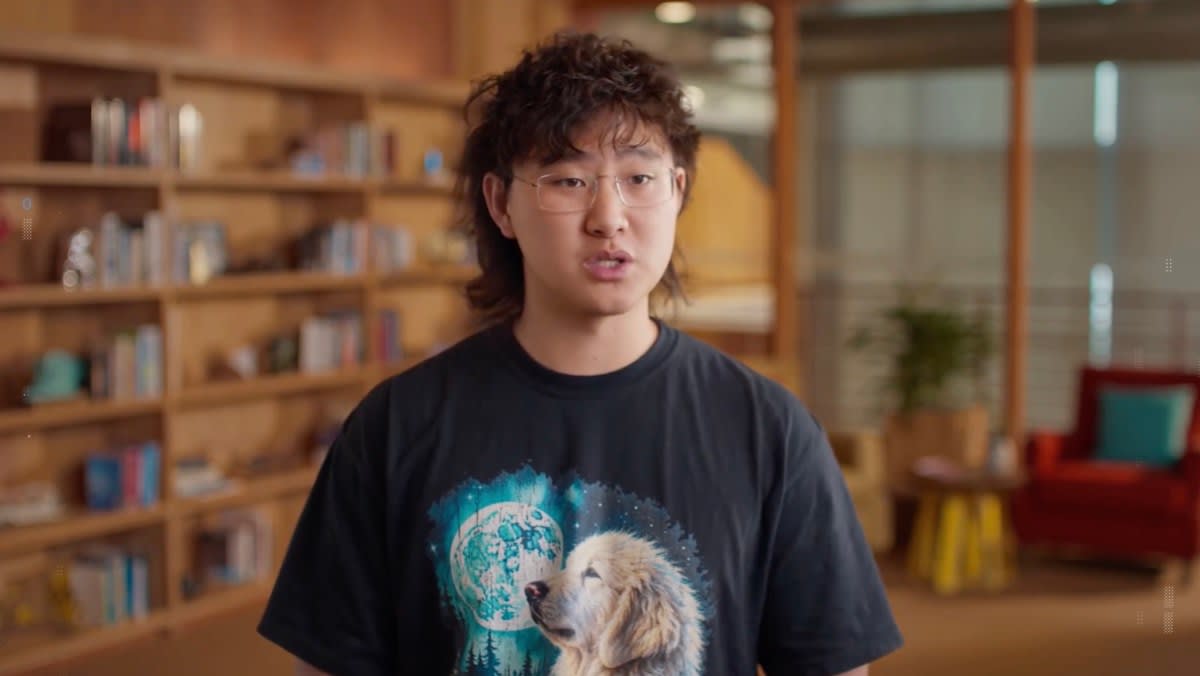
Meta has launched its new Muse Wonder and Muse Wonder Full AI models, marking a significant entry into the frontier model race. These models aim to compete with top industry benchmarks, boosting investor confidence and Meta's stock performance.
Meta's Strategic Pivot into Frontier AI
Meta has officially intensified its commitment to artificial intelligence with the release of its new 'Wonder' family of models: Muse Wonder and Muse Wonder Full. Developed by the company’s revamped Superintelligence Labs, these models represent a significant evolution from the earlier, lightweight Muse Spark. By moving into the frontier model space, Meta is signaling a clear intent to close the gap with industry leaders and establish itself as a primary player in the generative AI ecosystem.
Scaling for Superior Performance
While the previous Muse Spark model was optimized for low-latency, lightweight tasks, the Muse Wonder series is designed for higher-tier capabilities. These models are substantially larger and engineered to handle complex reasoning, particularly in coding and advanced problem-solving. Meta’s internal benchmarks suggest that these models are competitive with top-tier industry standards, specifically citing performance metrics comparable to Fable 5.1 and GPT-6 Astra. This leap in performance is a critical milestone in Meta's stated goal of achieving 'personal superintelligence.'
Integration and Accessibility
Meta is prioritizing a tiered rollout to ensure both developer and consumer adoption. Muse Wonder and Muse Wonder Full are currently available to Muse Code subscribers, while the standard Wonder model has been opened to the broader developer ecosystem via the Meta Model API. The strategy here is multifaceted: by providing API access alongside subscription-based tools, Meta is positioning its technology to be integrated into a wide variety of third-party enterprise applications, thereby deepening its footprint in the B2B tech space.
The Future of AI Agents
Perhaps the most significant long-term implication of this release is the planned integration of Wonder models into the existing Muse AI agent. By upgrading the underlying intelligence of its consumer-facing agents, Meta is attempting to transform passive AI tools into proactive, highly capable assistants. This transition from simple task-completion to complex reasoning agents is the current 'gold rush' in the tech industry, and Meta’s infrastructure investments suggest they are ready to capture significant market share.
Market Reaction and Economic Impact
Wall Street has responded positively to the announcement, with Meta’s stock price climbing over 3% following the news. Analysts suggest that the release of these frontier models is not merely a technical achievement but a vital driver for future business opportunities. By demonstrating its ability to compete at the 'frontier' level, Meta is reassuring stakeholders that it remains at the forefront of the AI revolution, which is expected to translate into increased enterprise demand for its model-as-a-service offerings.
Conclusion: A New Era for Meta
The launch of Muse Wonder and Muse Wonder Full marks a definitive shift in Meta's corporate strategy. By balancing the development of lightweight, efficient models with high-capability frontier models, the company is building a comprehensive AI stack. As these models become more deeply integrated into the Muse ecosystem, the broader implications for the tech industry will likely involve increased competition for developer loyalty and a continued drive toward more autonomous, intelligent agent systems.
Multiple Citing Sources