Meta debuts Muse Wonder AI model in latest test of users' willingness to pay
Source Entity
US Top News and Analysis
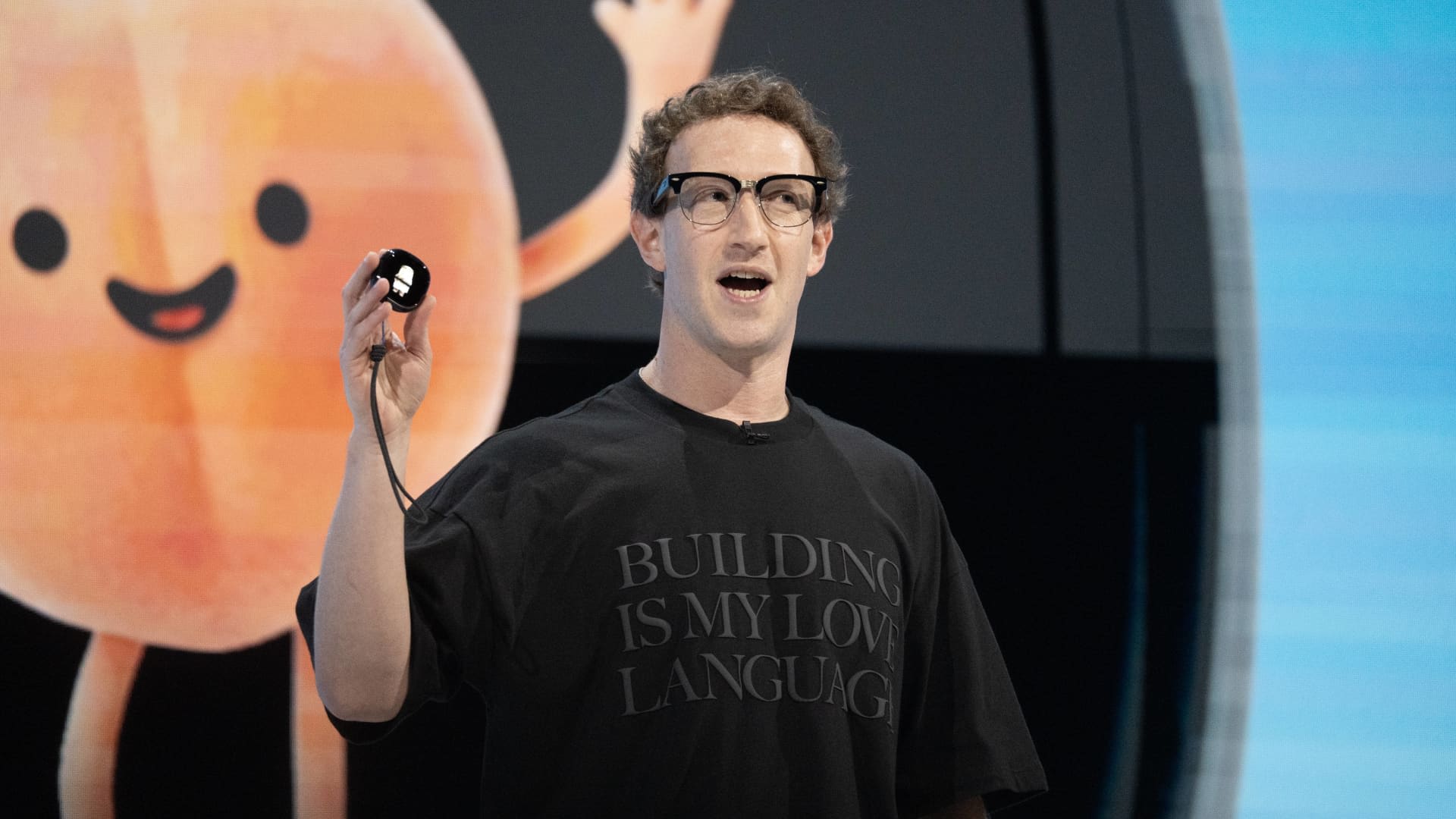
Meta has launched its new 'Muse Wonder' and 'Wonder Full' AI models, marking its entry into the frontier model race. These models are designed for complex task completion and are available via a subscription-based model or API access.
Meta Enters the Frontier AI Race with Muse Wonder
Meta has officially marked its presence in the high-stakes world of frontier artificial intelligence with the release of its latest models, Muse Wonder and Muse Wonder Full. Developed by the company’s revamped Superintelligence Labs division, these models represent a significant departure from previous lightweight iterations like Muse Spark. While Spark focused on low latency and efficiency, the Wonder series is engineered for deep, complex reasoning and capability, aiming to compete directly with industry leaders like Fable 5.1 and GPT-6 Astra.
Advancing Agentic Capabilities
The core philosophy behind Muse Wonder, codenamed 'Watermelon,' is to create AI agents that are truly reliable for personal and professional tasks. Meta AI chief Alexandr Wang noted that real-world tasks often hit roadblocks, causing traditional models to stall. The Wonder models are specifically trained to identify these setbacks and autonomously pivot to alternative approaches, ensuring that tasks—such as booking dinner reservations or verifying real-time availability—are completed without constant user intervention.
The Shift to Subscription Models
This release highlights a strategic pivot in Meta’s business model, as it seeks to diversify revenue streams beyond its traditional advertising core. Access to these frontier-grade capabilities is currently gated behind a subscription wall. Users of the Muse personal agent app are required to pay monthly fees of $20 or $100 to utilize the models. This move signals that Meta is betting on the willingness of power users and professionals to pay for premium, agentic AI tools that offer tangible productivity gains.
Technical Scaling and Benchmarks
According to internal testing cited in the model cards, the Wonder series demonstrates a major leap in performance. By achieving benchmark scores comparable to industry-leading competitors, Meta is signaling its intent to dominate the 'superintelligence' segment of the market. The release of both the standard Wonder and the larger Wonder Full model suggests a tiered approach, allowing developers to choose the right balance of cost and power via the Meta Model API.
Future Trends and Market Implications
The introduction of Muse Wonder is a clear indicator that the AI industry is moving away from simple chatbot interfaces toward autonomous agentic workflows. As Meta continues to integrate these models into its broader ecosystem, we can expect to see a more seamless integration of AI into daily digital life. The success of this rollout will likely determine how aggressively Meta pushes into the enterprise sector, potentially setting a new standard for how frontier models are monetized and deployed in the coming years.
Conclusion
By launching the Muse Wonder models, Meta is effectively closing the gap with its peers in the generative AI race. With a focus on resilient, goal-oriented agents and a clear path toward subscription-based monetization, the company is positioning itself to be a leader in the next generation of artificial intelligence. As these models become more widely available through the Meta Model API, their impact on professional workflows and personal productivity will likely be significant.