Microsoft tries to spark new life into Windows
Source Entity
Tom Warren
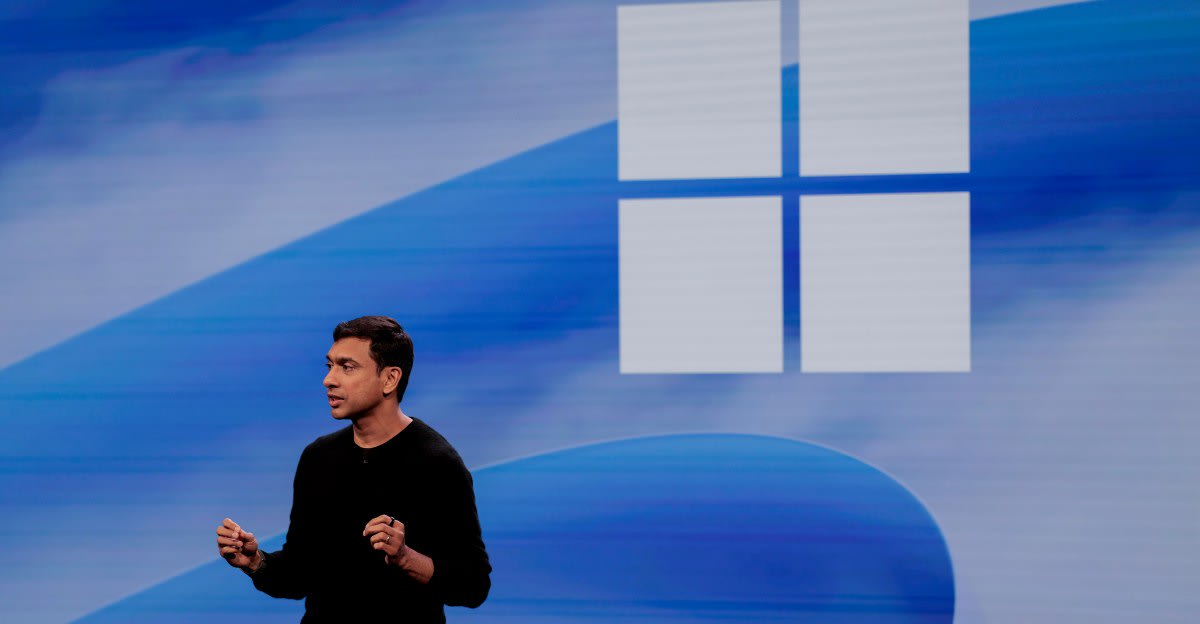
Microsoft is pivoting its strategy for Windows 11, moving away from a successor OS to focus on integrating AI agents. This transition emphasizes hybrid intelligence, utilizing local computing power to run AI models alongside cloud-based solutions.
The Strategic Pivot: Windows 11 as the Foundation for AI
Microsoft’s recent shift in strategy marks a significant departure from the traditional operating system lifecycle. For decades, the tech giant operated on a cycle of iterative releases, with users anticipating a major version jump—such as the rumored Windows 12—as the standard for innovation. However, the company has signaled that Windows 11 is not merely a temporary stopgap, but the primary foundation for its long-term ambition: the creation of an 'agentic' operating system.
Embracing the Agentic Era
The move to transform Windows into an agentic OS represents a fundamental change in how users interact with their computers. By integrating AI agents directly into the operating system, Microsoft is shifting the paradigm from manual task execution to automated, intent-based computing. This evolution suggests that the OS will soon act as a proactive assistant, capable of managing complex workflows and making decisions on behalf of the user, thereby streamlining productivity in ways previously unattainable.
The Role of Hybrid Intelligence
Central to this strategy is the implementation of hybrid intelligence. Microsoft is prioritizing the use of local, on-device models to power these AI agents, reducing the reliance on expensive and latency-heavy cloud computing. This technological shift is crucial for security, privacy, and performance; by processing data locally, Microsoft can offer a faster, more responsive AI experience while addressing the cost concerns associated with massive cloud-based AI infrastructure.
CEO Vision and Future Contours
During the recent Windows and Surface event, CEO Satya Nadella emphasized that the 'frontier ecosystem' is beginning to take on different contours. This statement highlights a deliberate move to decentralize AI processing. By empowering hardware to handle sophisticated local models, Microsoft is effectively redefining the requirements for the next generation of PC hardware, pushing the industry toward devices that are specifically optimized for AI-native workloads.
Long-term Implications for Users and Developers
This evolution signals a stabilization period for Windows 11. Instead of forcing a migration to a new OS, Microsoft is committing to deep, continuous updates that layer new capabilities onto existing architecture. For developers, this means the Windows platform is becoming a more robust environment for building AI-integrated applications, while for users, it promises a more cohesive experience where the OS evolves through intelligence rather than disruptive version changes.
Conclusion: A New Foundation
Microsoft’s decision to plant its flag in Windows 11 underscores a broader trend in the software industry: the primacy of the 'AI-first' experience over traditional versioning. By focusing on hybrid intelligence and agentic workflows, the company is positioning itself to lead in an era where the operating system is not just a platform, but an intelligent partner. This strategic pivot ensures that Windows remains the center of the computing experience for the foreseeable future.