Apple and LG leak shows new ‘tap to control’ HomeKit features
Source Entity
Stevie Bonifield
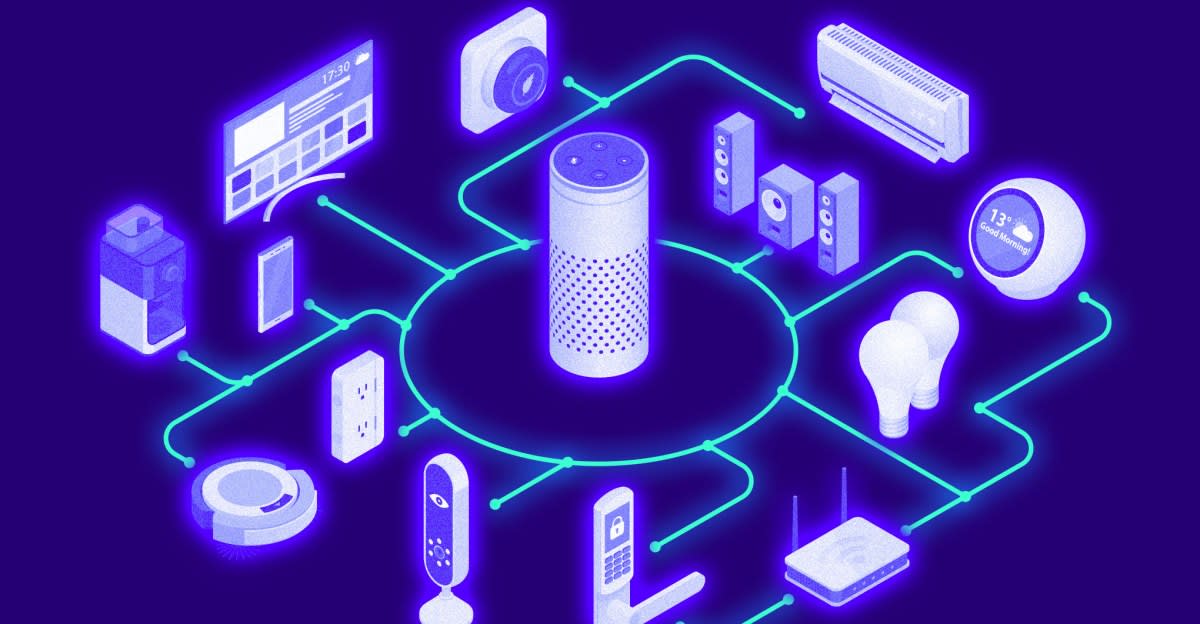
Recent leaks indicate Apple and LG are developing smart home accessories featuring NFC-based Proximity Control. These devices leverage the Matter protocol to allow seamless iPhone integration via the Dynamic Island.
The Future of Seamless Home Automation
Recent reports from reliable leaker "pdfu" suggest a significant evolution in Apple’s smart home strategy, specifically through a collaboration with LG. The leaks point toward a new suite of HomeKit-compatible accessories that prioritize user convenience through NFC-based "Proximity Control." By simply placing an iPhone near these devices, users can trigger intuitive control prompts directly within the device’s Dynamic Island, marking a shift toward more tactile and localized interaction in smart home ecosystems.
Leveraging the Matter Protocol
Crucially, these rumored devices are reportedly built upon the Matter protocol. Matter has become the industry standard for interoperability, designed to break down the silos between competing smart home platforms. By utilizing Matter while maintaining Apple Home-specific features, Apple and LG appear to be striking a balance between universal compatibility and the refined, "walled garden" user experience that defines the Apple brand. This dual-layer approach could set a new benchmark for how manufacturers implement high-end features on top of standardized foundations.
Innovation in User Experience
Beyond simple connectivity, the leaked "tap to setup without power" feature represents a major leap in onboarding efficiency. Historically, setting up smart devices has been a cumbersome process involving complex network configurations and power requirements. By enabling setup without active power, Apple and LG are addressing one of the most persistent pain points in the Internet of Things (IoT) sector: the friction of initial installation. This suggests a future where smart hardware is as easy to deploy as consumer electronics.
Expanding the Dynamic Island
Integrating controls into the Dynamic Island is a strategic move to keep the user experience centered on the iPhone interface. Since the Dynamic Island's introduction, Apple has sought to make it the primary hub for background activity management. By extending this functionality to physical smart home devices, Apple is effectively turning the iPhone into a tactile remote control that recognizes its physical environment through NFC proximity, rather than relying solely on voice commands or manual app navigation.
Market Implications and Future Trends
If these features reach mass production, they could force competitors to accelerate their own proximity-based integration efforts. The reliance on NFC, a technology long present in smartphones, suggests that the next generation of smart home tech will favor physical interaction over software-only solutions. As these technologies mature, we can expect to see a more "ambient" smart home, where devices react predictably to a user’s physical presence, reducing the need for constant app interaction.
Conclusion
The collaboration between Apple and LG, as highlighted by these leaks, underscores a maturing smart home market. By combining the universal reach of the Matter protocol with the proprietary ease-of-use associated with Apple’s ecosystem, these upcoming devices could significantly lower the barrier to entry for smart home technology. As these features move from leaks to reality, the focus will likely remain on reducing friction and deepening the integration between physical hardware and the mobile interface.