Danu Robotics’ fight to build a better recycling robot
Source Entity
Russell Brandom
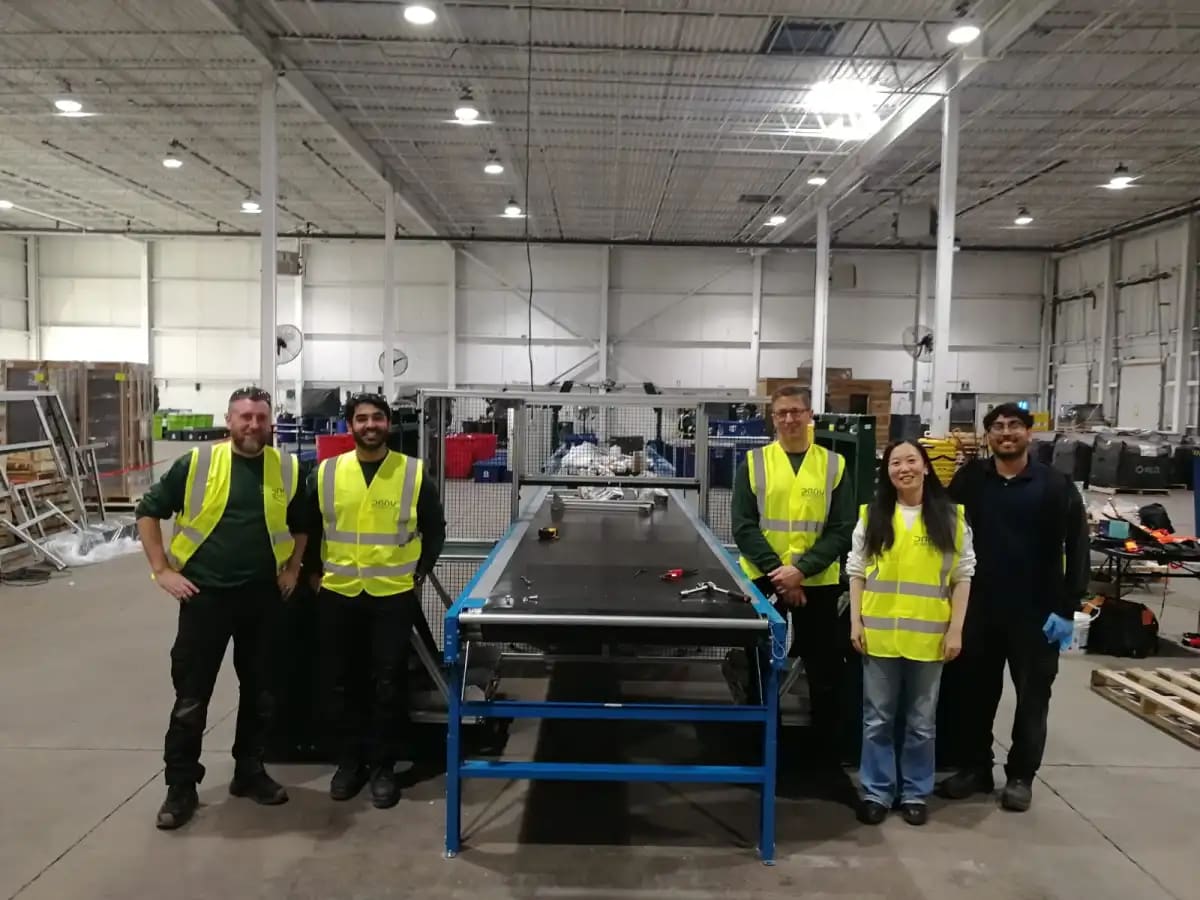
Danu Robotics, founded by Amy Ma, is developing automated solutions to revolutionize waste recycling. The company aims to replace manual sorting processes with advanced robotics to improve efficiency and environmental outcomes.
The Genesis of an Automated Solution
For the past six years, Amy Ma has been spearheading Danu Robotics, a venture born out of a stark realization regarding the inefficiencies of modern waste management. While working as a software developer in a high-end London financial institution, Ma observed a disconnect between corporate sustainability efforts and actual environmental impact. Despite the presence of multiple recycling bins, she discovered that the contents were routinely consolidated into general waste, exposing a systemic failure in how even the most resource-rich environments handle post-consumer materials.
The Human Bottleneck in Recycling
At the heart of the recycling crisis is the reliance on manual labor. Ma’s research revealed that the global economics of recycling are heavily dependent on humans physically sorting through waste streams. This method is not only hazardous and labor-intensive but also prone to high error rates and limited scalability. By identifying this bottleneck, Danu Robotics has positioned itself to address the fundamental flaw that prevents recycling from becoming a truly circular and efficient economic model.
Leveraging Software for Circularity
Transitioning from a career in finance to the hardware-heavy world of robotics, Ma recognized that the solution to waste management was not merely logistical but technological. Her background as a software developer provided the unique perspective needed to envision a system that could automate the identification and separation of recyclable materials. The vision behind Danu Robotics is to replace human-centric sorting with high-precision automated systems that can process waste streams with greater speed and accuracy.
Challenges in the Waste Industry
The waste management industry has historically been slow to adopt automation due to the unpredictable nature of waste streams, which are often contaminated or poorly organized. Ma’s journey reflects the broader struggle of tech startups attempting to disrupt legacy sectors. By focusing on the intersection of robotics and environmental sustainability, Danu Robotics is challenging the status quo, pushing for a reality where corporate recycling mandates translate into actual material recovery rather than mere performative compliance.
The Broader Implications for Global Waste
If successful, the technology being developed by Danu Robotics could have significant implications for global environmental policy. Automating the sorting process could drastically lower the costs associated with recycling, making it more financially viable for municipalities and corporations alike. By bridging the gap between current manual inefficiencies and a tech-driven future, Ma is contributing to a critical shift in how we define the lifecycle of consumer goods.
Future Outlook for Danu Robotics
As Danu Robotics continues to refine its technology, the company stands at the forefront of a growing movement to integrate robotics into circular economy solutions. The transition from identifying a problem in a London office to building a specialized robotic platform represents a significant leap in industrial innovation. The future of sustainable waste management likely hinges on such technical interventions, which aim to make recycling as effortless and effective as the consumption that precedes it.