Supertanker chartered from Gulf Coast to China for $76 million, 10 times higher than pre-war level
Source Entity
US Top News and Analysis
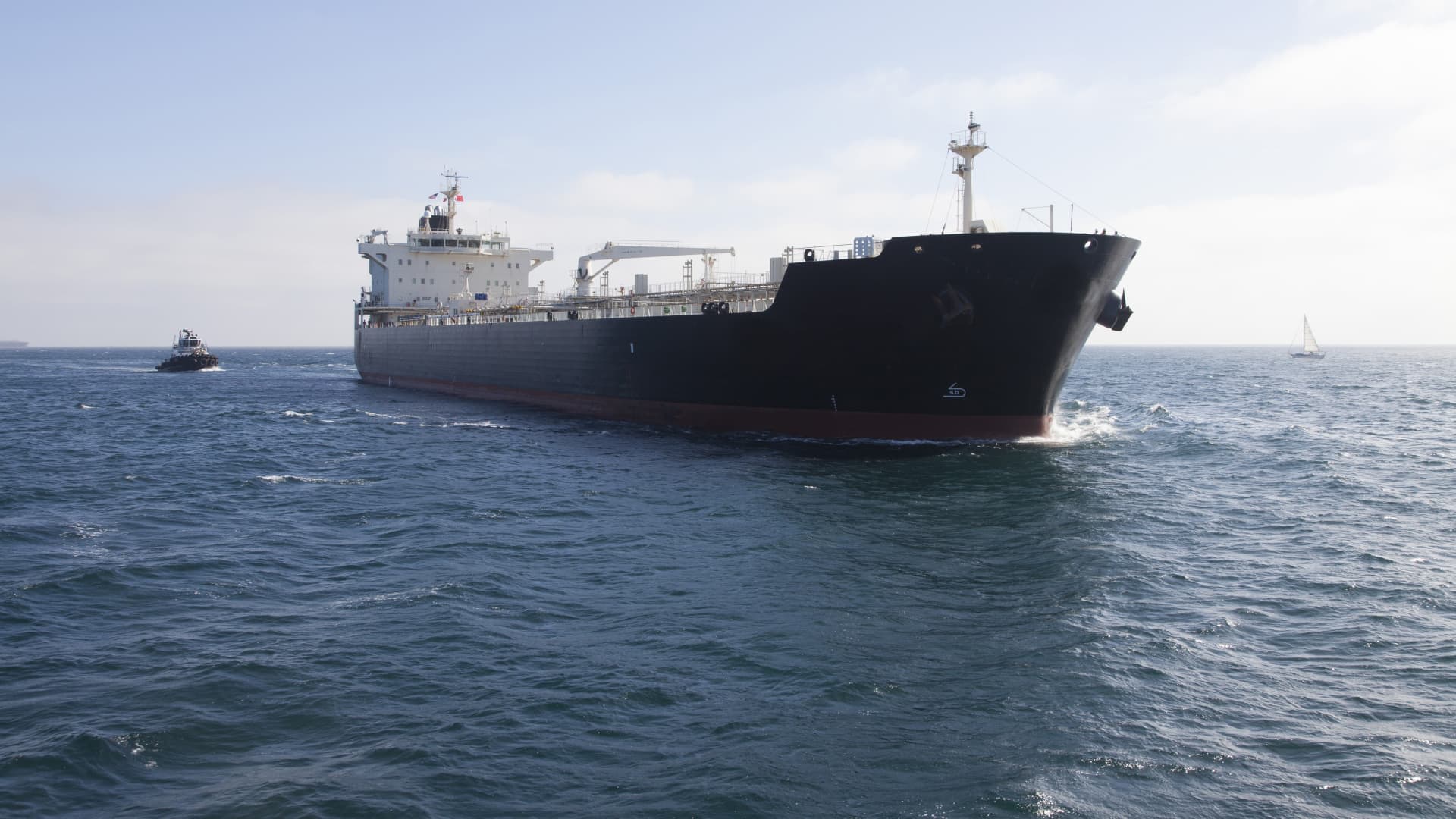
Maritime security incidents in the Strait of Hormuz have reached record highs, coinciding with increased oil exports from Gulf producers. This instability has caused global shipping costs to surge, with tanker charter rates climbing tenfold since the conflict began.
The Escalating Maritime Crisis in the Strait of Hormuz
The Strait of Hormuz, a critical maritime chokepoint, has become the epicenter of a volatile conflict that is fundamentally reshaping global energy logistics. Recent reports indicate that between September 28 and October 5, at least twelve distinct attacks targeted oil, liquefied natural gas (LNG), and liquefied petroleum gas (LPG) tankers. This unprecedented frequency of incidents represents the highest weekly total recorded since the commencement of the conflict on February 28, signaling a deteriorating security environment that threatens the flow of global energy supplies.
The Intersection of Export Volume and Security Risks
This surge in maritime hostility is occurring against a backdrop of intensified economic activity. Gulf producers, seeking to maximize their market share and capitalize on shifting global demands, have significantly increased their oil exports. Paradoxically, this strategic push to ramp up output has placed more vessels in the crosshairs of regional actors. Maritime security sources and the International Maritime Organisation have corroborated these trends, documenting at least nine separate incidents that underscore the fragility of current shipping operations in the region.
Economic Fallout: The Skyrocketing Cost of Transit
Beyond the immediate physical danger to crews and vessels, the conflict has triggered an extreme inflationary effect on the shipping industry. The shortage of available tankers, driven by both the physical destruction or withdrawal of vessels and the elevated risk premium demanded by insurers, has caused charter rates to decouple from historical norms. A striking example of this economic volatility is the recent chartering of the supertanker Alexandros by Trafigura for a voyage from the U.S. Gulf Coast to China. The $76 million fee represents a ten-fold increase compared to pre-war rates, which typically ranged between $7 million and $10 million.
Broader Implications for Global Energy Markets
When shipping costs reach $38 per barrel—based on a standard 2-million-barrel capacity—the downstream impact on global energy prices becomes inevitable. This massive overhead is inevitably passed on to consumers, complicating inflation targets for central banks worldwide. The sheer scale of these costs suggests that the "war risk" is no longer a localized concern but a systemic tax on global trade. As long as the Strait of Hormuz remains a contested zone, the cost of transporting crude oil will continue to be a primary driver of energy market instability.
Future Trends and Strategic Outlook
Looking ahead, the combination of high-frequency attacks and constrained vessel availability suggests a prolonged period of market disruption. If Gulf producers continue to push for high export volumes despite the security risks, the global tanker fleet will remain under immense pressure. Analysts anticipate that unless there is a significant de-escalation in the conflict or a shift in maritime security protocols, shipping companies will continue to demand exorbitant premiums to navigate the region. Consequently, the global energy supply chain faces a future defined by high costs, logistical unpredictability, and the persistent threat of further maritime volatility.