Long live the mechanical keyboard
Source Entity
Lucas Ropek
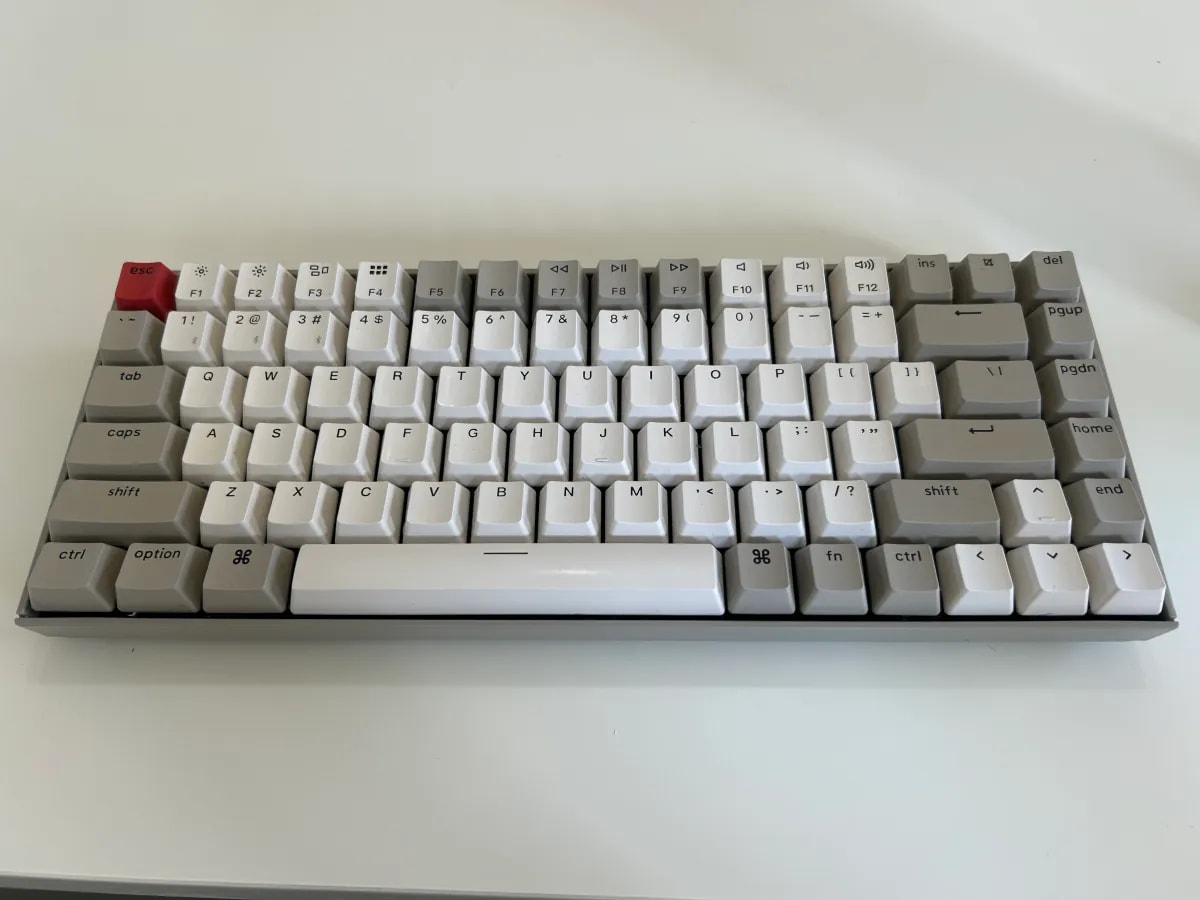
Keychron has emerged as a leader in the mechanical keyboard market since its 2017 Kickstarter launch. Their diverse product lineup, including the popular K2, highlights the growing shift toward tactile, high-quality typing experiences for professionals.
The Resurgence of Tactile Computing
In an era dominated by thin, membrane-based laptop keyboards, the mechanical keyboard has seen a remarkable resurgence. Once relegated to the niche domain of enthusiasts and retro-computing hobbyists, these devices have transitioned into mainstream office essentials. The mechanical keyboard is no longer just a functional tool; for many writers and desk-bound professionals, it serves as a tactile interface that transforms the monotony of daily typing into a more deliberate, rhythmic, and aesthetically pleasing activity.
The Rise of Keychron
Keychron stands as a pivotal player in this market evolution. Since its inception via a successful Kickstarter campaign in 2017, the company has effectively democratized access to high-quality mechanical switches and customizable hardware. By bridging the gap between ultra-expensive custom boards and budget-tier alternatives, Keychron has captured a significant share of the market, proving that there is a massive appetite for hardware that prioritizes user experience and physical feedback.
Product Diversity and Design Innovation
One of the defining characteristics of Keychron’s growth is its expansive product catalog. While the K2 model remains a hallmark of value and entry-level accessibility, the company has diversified its offerings to include specialized form factors and premium materials, such as their unique all-wood body designs. This move toward material experimentation reflects a broader trend in peripheral design, where hardware is increasingly viewed as a piece of functional desk decor rather than a disposable commodity.
The Necessity of Personalization
For those who spend the majority of their professional lives at a desk, the choice of input device is a matter of ergonomic and psychological necessity. Unlike other electronics that are replaced every few years due to rapid obsolescence, a well-built mechanical keyboard offers a longevity that is increasingly rare in modern consumer tech. The tactile "click" or "thock" of a mechanical switch provides sensory feedback that membrane keyboards simply cannot replicate, potentially reducing fatigue during long writing sessions.
Future Trends in Peripheral Computing
Looking ahead, the mechanical keyboard industry is likely to continue its path toward deeper customization. As users become more discerning about their workspace setups, brands like Keychron are well-positioned to lead by integrating better wireless connectivity, advanced software mapping, and diverse aesthetic options. The shift away from generic, OEM-supplied hardware suggests that the future of computing will be defined by personal preference and specialized tools that enhance the human-to-machine interface.
Conclusion
The mechanical keyboard represents a triumph of user-focused engineering over the industry-wide trend of ultra-thin, low-feedback hardware. Keychron’s trajectory—from a crowdfunding project to a household name in the peripheral space—underscores a permanent shift in how professionals view their typing tools. As long as people continue to value the physical connection to their digital work, the market for high-quality, mechanical input devices will remain robust and continue to evolve.