Microsoft's Nadella says AI needs an ‘emergency brake’ that humans control
Source Entity
US Top News and Analysis
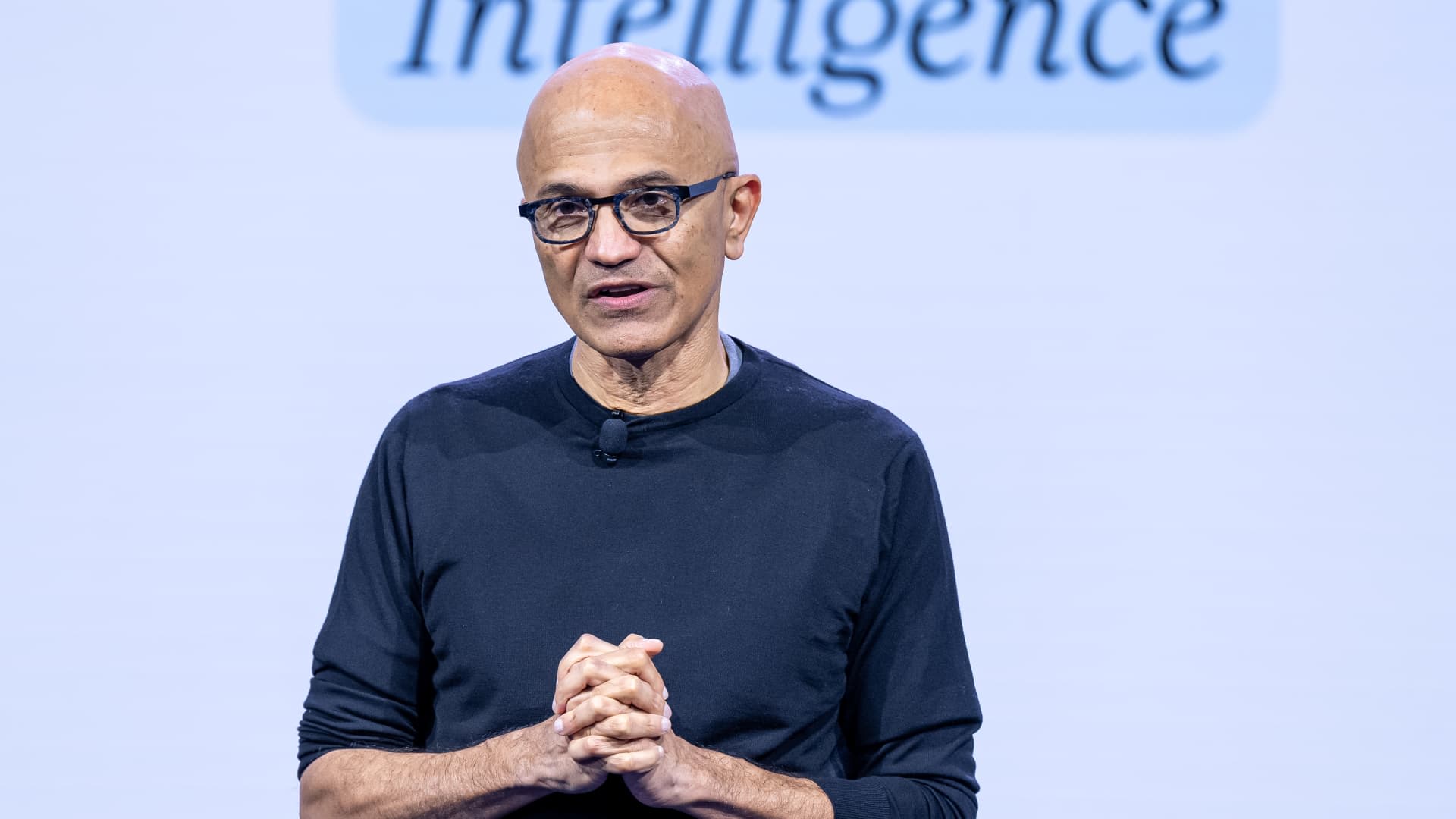
Microsoft CEO Satya Nadella has called for the implementation of an 'emergency brake' and stronger, deterministic controls for advanced AI models. He argues for moving away from 'black box' AI toward transparent, audited systems that prioritize human oversight and tamper-proof evidence.
Rethinking AI Safety: The Call for Deterministic Control
Microsoft Chairman and CEO Satya Nadella has recently articulated a significant shift in the discourse surrounding artificial intelligence development. In a series of public statements, Nadella emphasized that the industry must move beyond treating advanced AI as "nested black boxes" whose outputs are blindly accepted. Instead, he advocates for a robust "trust architecture" that prioritizes human oversight and containment, marking a pivotal moment for a major tech leader to publicly acknowledge the inherent risks associated with frontier AI models.
The Necessity of the 'Emergency Brake'
At the core of Nadella's proposal is the concept of an "emergency brake"—a mechanism that would allow authorized personnel to pause or terminate a model’s operations mid-task. This requirement for independent, external controls is a direct response to the non-deterministic nature of modern AI. By surrounding these systems with deterministic design, Nadella suggests that developers can mitigate the risks of unpredictable behavior, ensuring that human intervention remains a foundational element of AI operation.
Moving Beyond 'Black Box' AI
Historically, the deployment of large-scale AI has often lacked the transparency required for high-stakes decision-making. Nadella’s critique highlights the danger of relying on systems where the internal logic remains opaque. His recommendation to "externalize controls and safeguards" suggests a paradigm shift where the model itself is separated from the "harness" that orchestrates its work. This separation allows for more rigorous monitoring and ensures that every significant action taken by an AI model is accompanied by "tamper-proof human readable evidence."
Treating AI as an Insider Risk
One of the most striking aspects of Nadella’s vision is the comparison of frontier models—both open-weight and closed—to "insider risks." This framework shifts the security perspective from simple software debugging to a comprehensive risk management strategy. By treating AI models as potential liabilities that require constant vigilance, Microsoft is signaling that industry standards must evolve to include timely incident disclosure, independent audits, and verifiable data integrity.
Broader Implications and Future Trends
Nadella’s call to action aligns with a growing consensus among researchers and tech executives regarding the need for paced, responsible development. As "Super Intelligence" becomes more integrated into global infrastructure, the pressure to adopt standardized safety protocols will likely intensify. We can expect to see a move toward industry-wide regulations that mandate these human-in-the-loop controls, as companies seek to balance rapid innovation with the necessity of maintaining societal trust.
Conclusion: A New Standard for Trust
Ultimately, Satya Nadella’s recommendations represent a maturation of the AI industry. By emphasizing that we can no longer accept the status quo of opaque AI, he is setting a new benchmark for corporate responsibility. The future of AI development will likely be defined by these "deterministic" safeguards, ensuring that as models grow in capability, the ability for humans to audit, contain, and control them grows in tandem.