Long-lost horror gaming cult classic P.T. gets a much-needed PC port
Source Entity
Kyle Orland
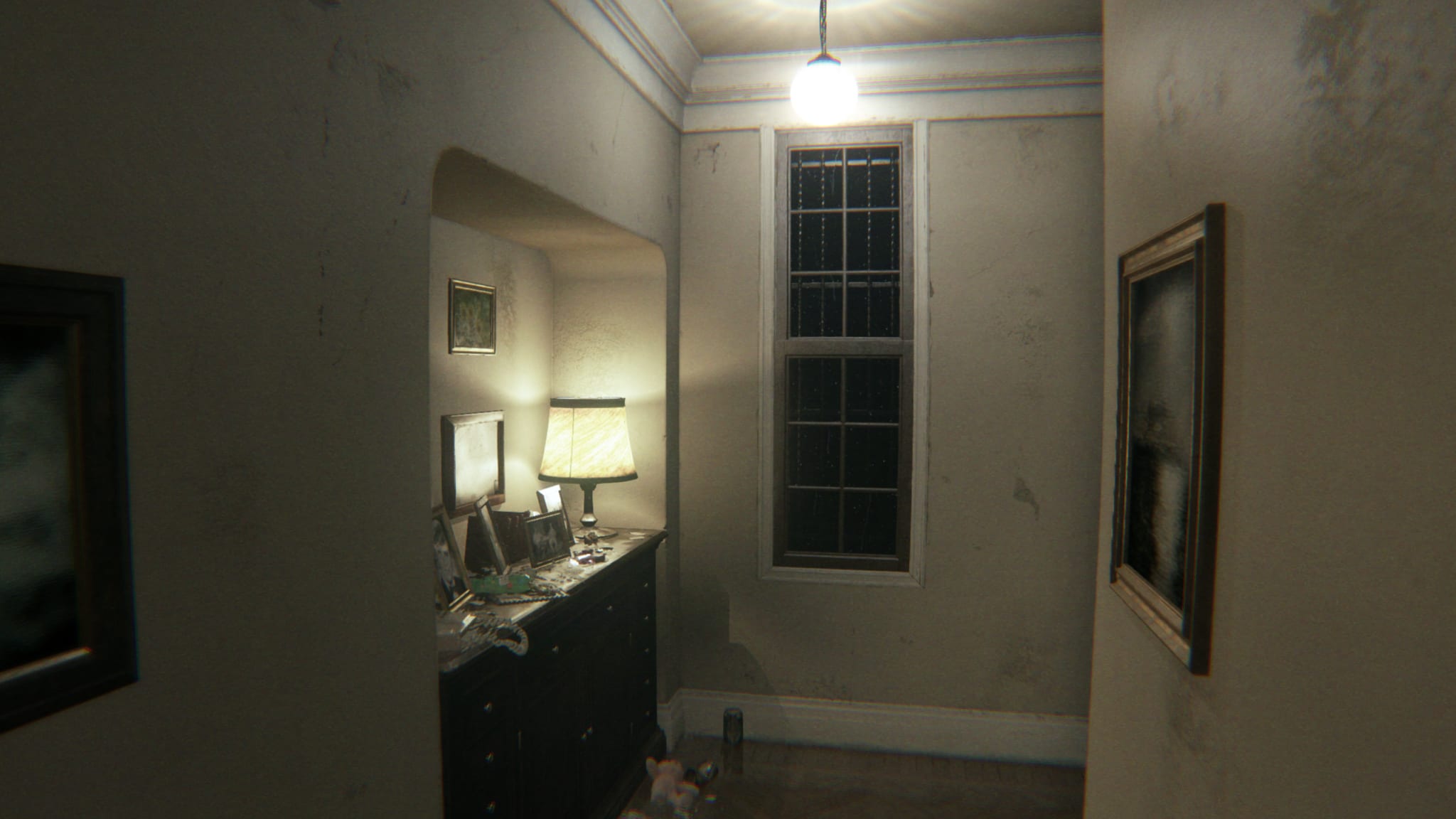
A developer has released an open-source tool that converts the original PS4 files of the horror classic P.T. into a playable PC executable. This project preserves Hideo Kojima's discontinued 'playable trailer' for future generations.
The Resurrection of a Digital Ghost
For nearly a decade, Hideo Kojima’s P.T.—originally conceived as a 'playable trailer' for the ill-fated Silent Hills project—has existed in a state of digital purgatory. After being pulled from the PlayStation Store in 2015, the game became a relic, accessible only to those fortunate enough to own a PlayStation 4 that had already downloaded the file. This scarcity transformed P.T. from a mere demo into a legendary piece of interactive media, driving the value of second-hand consoles and fueling a decade of speculation and fan-led preservation efforts.
Technical Preservation Through Reverse Engineering
The recent emergence of a PC port, spearheaded by coder Lorean Xavier, marks a significant milestone in game preservation. By creating a tool that utilizes original PS4 assets to build a functional x86 PC executable, Xavier has effectively liberated the software from the constraints of proprietary hardware. The project utilizes C++ and the Vulkan API to reconstruct the game’s environment, ensuring that the models, textures, and levels remain faithful to the original vision while gaining the accessibility of the PC platform.
The Fragility of Digital Media
This development highlights the broader, systemic issues surrounding the preservation of digital-only media. When a title like P.T. is discontinued, it often faces permanent erasure, as licensing conflicts and corporate restructuring prioritize profit over cultural legacy. The reliance on aging, physical hardware to maintain access to software is a dangerous bottleneck; once those older consoles fail, the software effectively ceases to exist. This porting project serves as a necessary intervention against the 'digital dark age' that threatens modern interactive art.
Expanding the Cultural Footprint
Beyond its technical achievement, the PC port democratizes access to a piece of gaming history that influenced an entire generation of horror titles. P.T. introduced a claustrophobic, looping hallway mechanic that redefined psychological horror, and its influence can be seen in numerous independent and AAA games released since its debut. By allowing the game to run on modern computing hardware, the preservation effort ensures that researchers, developers, and new players can experience the game's design firsthand, rather than relying on secondary accounts or low-resolution video captures.
Future Trends in Software Preservation
As we look toward the future, the methods employed by Xavier—rebuilding engines to utilize original assets—may become the industry standard for community-led preservation. While official remasters are often subject to corporate approval and creative changes, open-source projects aim for 1:1 fidelity. This trend toward user-driven archival suggests that the community will increasingly take the lead in ensuring that significant cultural works are not lost to time, setting a precedent for how we value and maintain the history of interactive software.