Global smartphone shipments record worst third quarter in 14 years amid memory shortage
Source Entity
The Indian Express
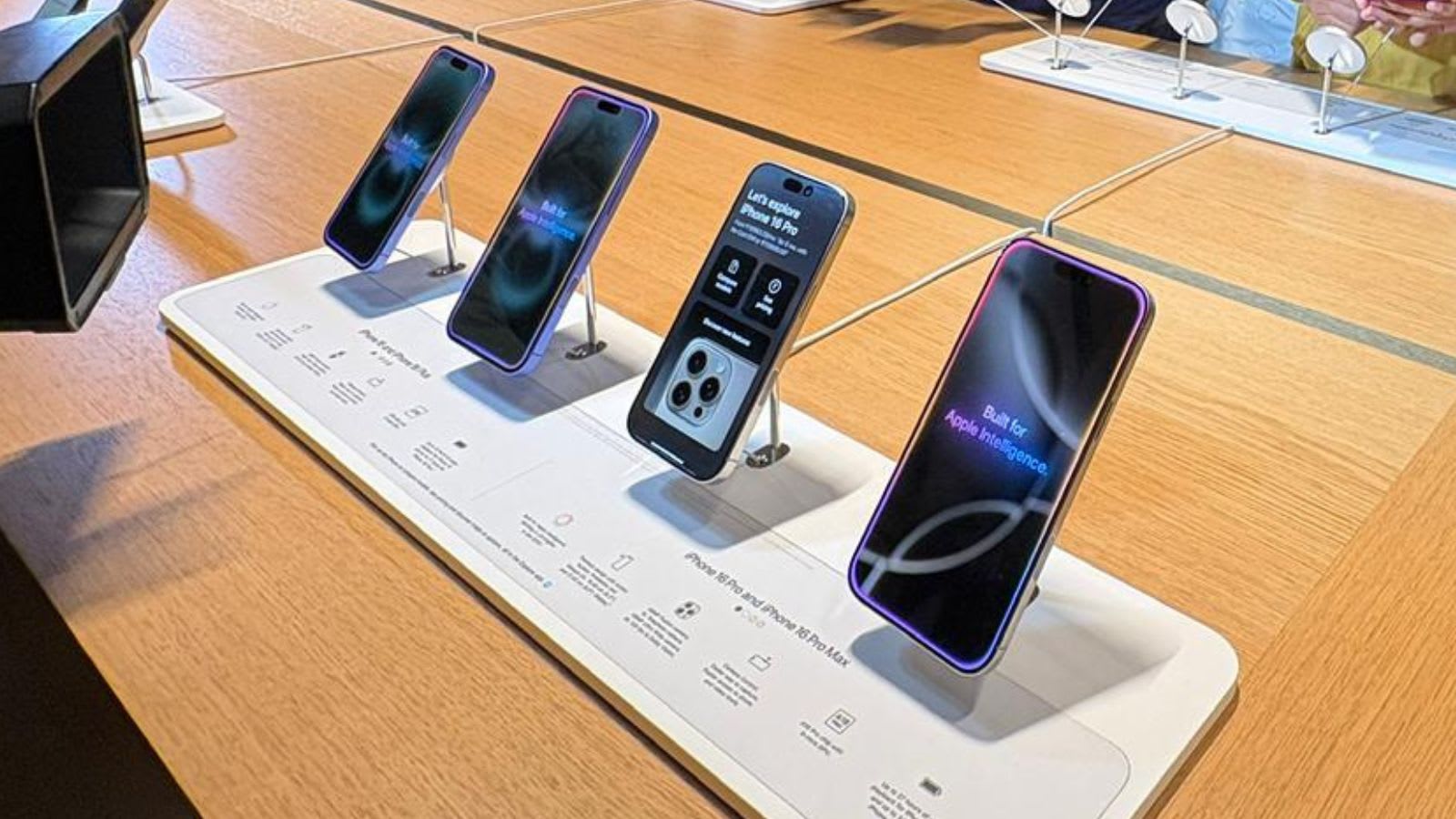
Global smartphone shipments have hit a 14-year low in Q3 2026 due to memory chip shortages and rising component costs. Major brands are facing significant shipment declines, with India also projected to see a 20% drop as consumer affordability wanes.
The Global Smartphone Market: A 14-Year Low
The global smartphone industry is currently navigating its most turbulent period in over a decade. According to preliminary data from Counterpoint Research, global smartphone shipments have plummeted by 20% on a year-on-year basis, marking the lowest third-quarter performance since 2012. This contraction is not merely a transient dip but a structural shift driven by a confluence of supply chain constraints and shifting consumer behavior.
The Memory Chip Crisis and Cost Escalation
At the heart of this downturn is a severe shortage of memory components. As global demand for Artificial Intelligence (AI) infrastructure surges, massive capital is being funneled into data centers and AI hardware, effectively cornering the supply of essential memory chips. This supply squeeze has forced manufacturers to face significantly higher production costs. Consequently, brands have been compelled to pass these costs onto consumers, resulting in higher retail prices for new devices, which further dampens demand in an already price-sensitive market.
Strategic Shifts: Prioritizing Profit over Volume
In response to the volatile economic environment, smartphone manufacturers are pivoting their strategies. Rather than aggressively pursuing volume growth, companies are prioritizing profitability. This shift is evident in the current market dynamics, where brands are cutting shipment targets and focusing on higher-margin models. A notable example is the recent launch cycle of Apple, where the absence of a base iPhone 18 model led to a smaller launch-month channel fill compared to the full iPhone 17 lineup from the previous year.
Impact on Major Players and Consumer Behavior
The decline is widespread, affecting industry leaders significantly. Reports indicate that Xiaomi has registered a 30% decline in shipments, while Oppo and Vivo have both seen 20% drops. This contraction is exacerbated by a change in consumer habits; individuals are choosing to retain their existing devices for longer periods. Additionally, there is a growing trend toward the refurbished device market, as consumers seek value in the face of rising prices for flagship technology.
The Indian Market Outlook
India, typically a high-growth market, is not insulated from these global headwinds. Tarun Pathak, Research Director at Counterpoint, has indicated that the worst may still be ahead for the region. Estimates suggest that India’s smartphone shipments are expected to decline by approximately 20% year-on-year in Q3 2026. As brands continue to increase prices on existing inventory and new releases, the combination of hardware inflation and weakened consumer affordability suggests a challenging road ahead for the industry in the subcontinent.
Conclusion: A Market in Transition
The smartphone industry is currently undergoing a painful realignment. The era of rapid, volume-driven growth is being challenged by the realities of component scarcity and macroeconomic pressures. As manufacturers navigate this landscape, the focus will likely remain on maintaining profitability through premiumization, while the broader consumer base continues to lean toward longevity and secondary markets, fundamentally altering the trajectory of the global mobile device sector.