‘We’re ahead of Starlink for satcom service approvals,’ says Sunil Bharti Mittal
Source Entity
Soumyarendra Barik
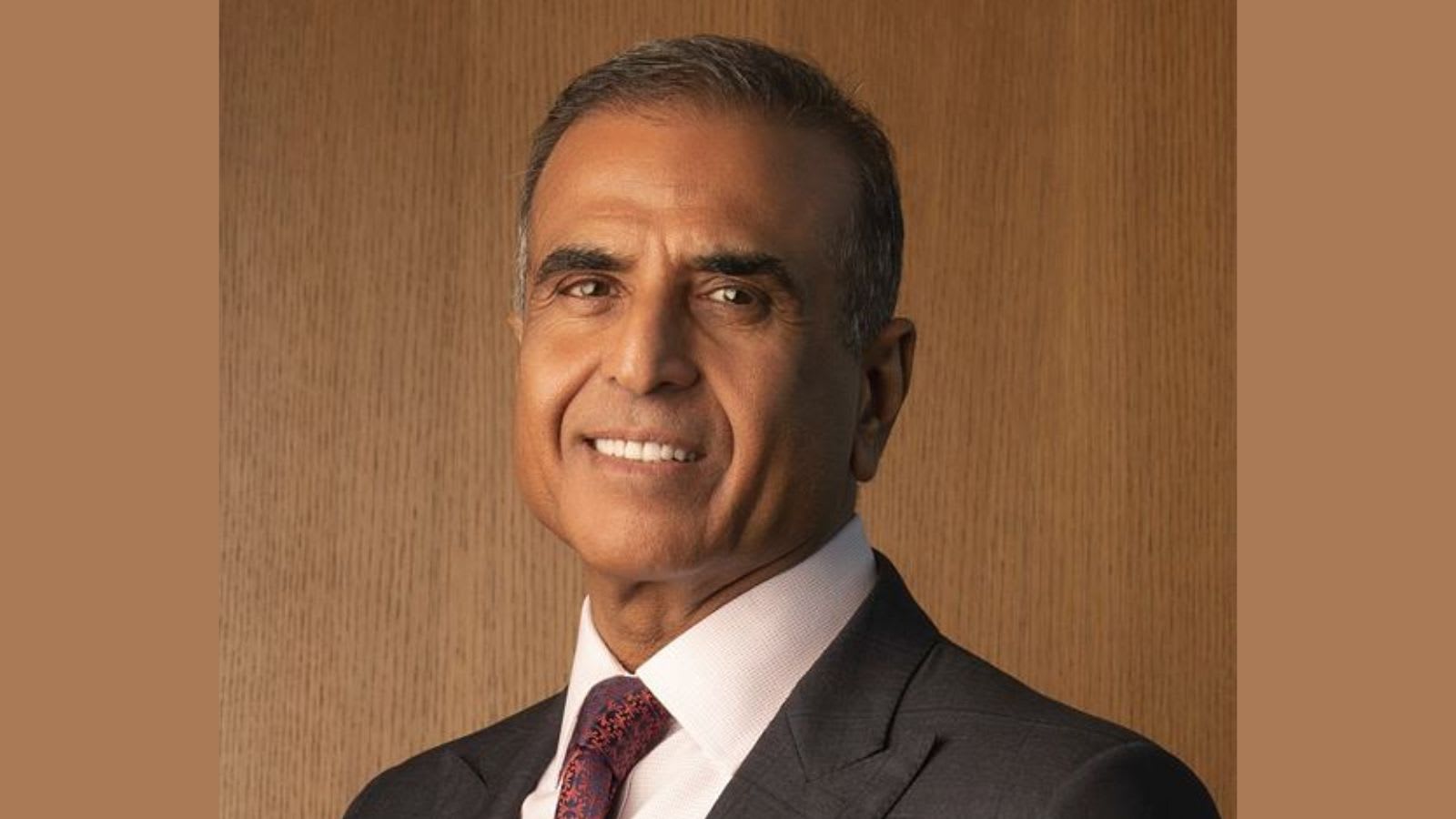
Bharti Airtel Chairman Sunil Bharti Mittal claims his firm, Eutelsat OneWeb, is ahead of Starlink in the race for Indian satellite communications approval. Mittal highlighted his five-year-long application process and ready infrastructure amid ongoing regulatory scrutiny.
The Race for India's Satellite Skies: Mittal vs. Musk
A Competitive Landscape
In a significant development for India’s burgeoning satellite communication (satcom) sector, Sunil Bharti Mittal, Chairman of Bharti Airtel, has publicly asserted that his company, Eutelsat OneWeb, holds a superior position in the regulatory queue compared to Elon Musk’s Starlink. Speaking at the Bloomberg New Economy Forum 2026, Mittal addressed the growing tension surrounding the entry of global low-earth orbit (LEO) satellite providers into the Indian market. This public positioning comes as both entities await critical security clearances necessary to launch commercial operations.
Historical Context and Infrastructure Readiness
Sunil Bharti Mittal emphasized that his firm’s preparation spans half a decade. According to the provided details, OneWeb applied for necessary approvals five years ago and has maintained satellite positioning over the Indian subcontinent for that same duration. Furthermore, the company asserts that its ground network infrastructure has been fully operational and ready for the past three years. This level of long-term commitment serves as the cornerstone of Mittal’s argument that his firm should be prioritized in the regulatory approval process.
Regulatory Hurdles and Security Concerns
The discourse surrounding these approvals is not merely a matter of who applied first; it involves complex national security considerations. Elon Musk has previously alleged that "powerful business interests" have been obstructing Starlink's entry into the Indian market. Mittal’s rebuttal serves to frame the delay not as a result of obstructionism, but as part of a rigorous, standard bureaucratic queue that all players must navigate. The government has maintained a firm stance that all satellite operators, regardless of their global influence, must meet the same stringent requirements to operate within India.
The Role of Parliamentary Oversight
As the debate intensifies, the Indian government has signaled that the path to market entry will be subject to formal scrutiny, with satellite internet services set to be discussed at upcoming parliamentary panel meetings. This legislative involvement highlights the sensitivity of the sector, as the government seeks to balance the need for high-speed digital connectivity in remote areas with the necessity of maintaining robust national security protocols.
Future Implications and Market Trends
The competition between OneWeb and Starlink signifies the broader shift toward LEO satellite constellations as a primary solution for bridging the digital divide in underserved regions. The outcome of these pending approvals will likely set a precedent for how foreign and domestic satellite entities are regulated in India. As Mittal noted, the primary goal for incumbents is to secure operational permissions, with the industry closely watching to see which provider will be the first to deliver mass-market satellite internet to Indian consumers.