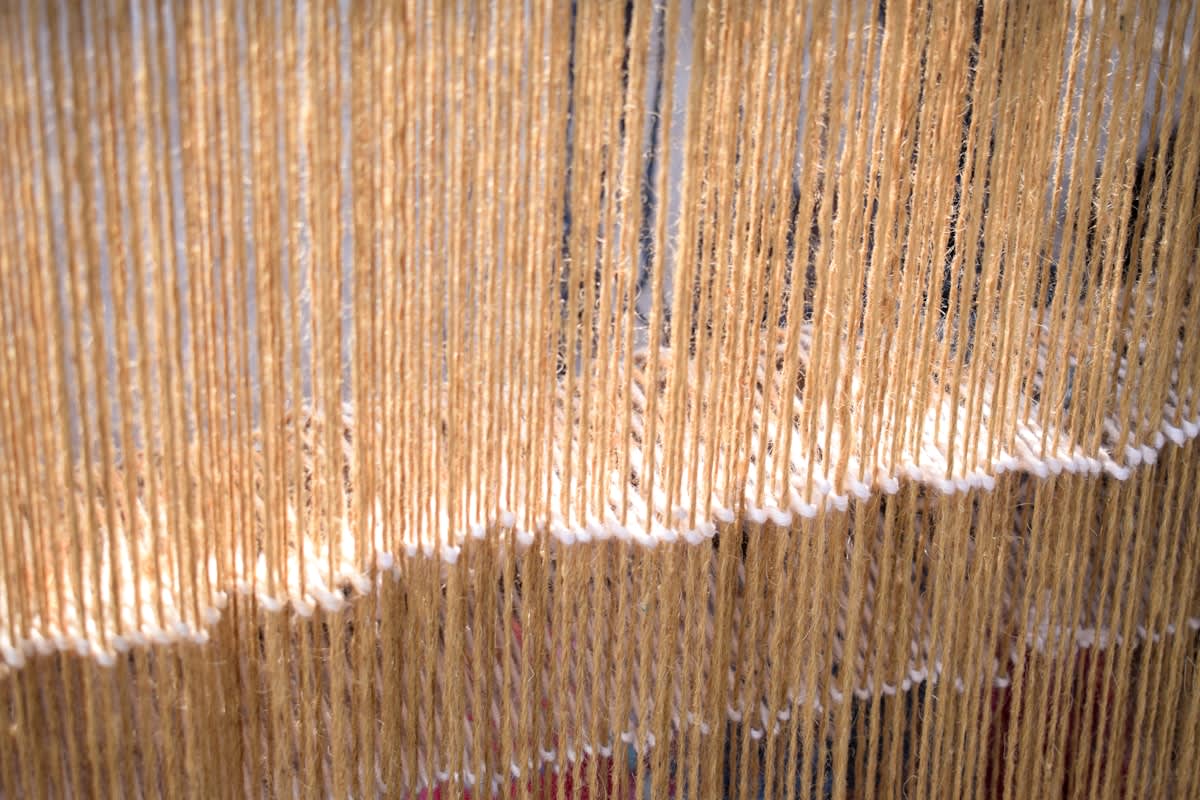
The luxury textile market is currently fighting a ghost. According to research highlighted by Vogue and the European Commission, a staggering 40% of garment labels are inaccurate or misleading. This is not a series of isolated clerical errors but a systemic issue that erodes the value of authentic craftsmanship. For the weaving guilds of Southeast Asia, this lack of reliable verification is an existential threat. When a hand-loomed fabric from a remote village is indistinguishable from a mass-produced synthetic imitation on a retail shelf, the economic incentive to maintain dying weaves evaporates. The question is no longer whether these guilds should adopt technology, but how quickly they can integrate algorithmic precision to prove their existence to a skeptical global market.
The Beijing-ASEAN Intelligence Pipeline
The timing of this technological adoption coincides with a massive geopolitical push from China. In July 2026, President Xi Jinping announced that China would provide 5,000 AI training and seminar opportunities to developing countries over the next five years. This initiative specifically targets the Association of Southeast Asian Nations (ASEAN), positioning China as the primary partner for AI development in the Global South. While the official rhetoric focuses on a symphony of global cooperation, the practical application for ASEAN textile guilds is immediate. Access to these training programs allows local artisans to move beyond basic digitization and into the realm of algorithmic verification.
"The development of artificial intelligence should not be a solo performance by any single country but rather a symphony of global cooperation."— Xi Jinping, President of China
Why does a training seminar in Shanghai matter to a weaver in a rural province? Because the ability to create a digital fingerprint of a textile requires the kind of high-level AI infrastructure China is now exporting. By leveraging these 5,000 training slots, guild leaders are learning to build models that can analyze weave density, dye chromatography, and fiber tension. This is the move from descriptive labeling to algorithmic proof. If the European Commission cannot find a reliable verification process for fibers, the guilds are attempting to build one from the bottom up, using the very tools being offered through this new diplomatic corridor.
The Precision Mandate
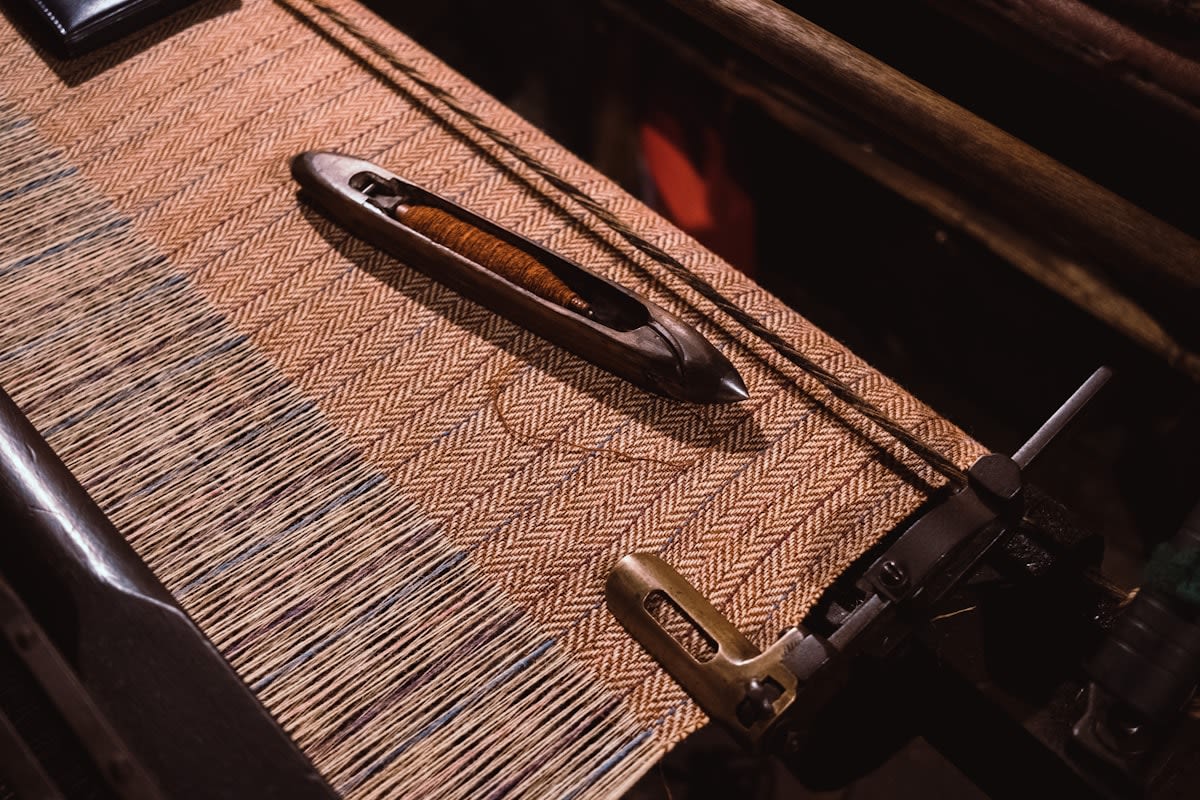
The conceptual leap here is borrowed from the world of medical diagnostics. Consider the LucentAD algorithmic blood test, which uses a five-analyte ATN(I) approach to evaluate Alzheimer’s disease with clinical precision. The textile guilds are applying a similar multi-analyte logic to fabric. Instead of relying on a single label that says '100% Silk,' they are developing algorithms that analyze five or more distinct markers—such as protein structure, weave irregularity, and chemical dye signatures. This creates a biological and mathematical profile of the cloth that is nearly impossible to forge.
| Verification Method | Reliability Rate | Primary Vulnerability | Data Source |
|---|---|---|---|
| Traditional Labeling | 60% | Systemic Mislabeling | European Commission |
| Chain-of-Custody Audits | 85% | Human Error/Fraud | Textile Exchange |
| Algorithmic Precision | 99%+ | Compute Access | Industry Projection |
This shift toward algorithmic truth is a direct response to the failures of the current supply chain. Ashley Gill of Textile Exchange has noted that the industry lacks a reliable verification process for fibers and finished products. By adopting the multi-analyte approach seen in precision medicine, guilds can bypass the unreliable middleman. They are no longer asking the consumer to trust a label; they are providing a data-backed certificate of authenticity that is verified by an algorithm. Is this the only way to save the art? In a market where 40% of the data is wrong, precision is the only remaining currency.
Insourcing the Intelligence
There is a dangerous temptation for these guilds to outsource their AI needs to external tech firms. However, a recent trend in the corporate world suggests this is a mistake. Starbucks, for instance, is currently building its own in-house AI for inventory and equipment management, intentionally moving away from traditional software outsourcing. This shift highlights a growing corporate realization: when the intelligence is the core of the operation, you cannot afford to rent it. For a textile guild, the algorithm that verifies their heritage is their heritage.
If a guild relies on a third-party vendor to maintain their authenticity algorithm, they risk the same fragility that has plagued the global textile supply chain. By utilizing the training opportunities provided by the China-ASEAN partnership to build in-house capabilities, these guilds are ensuring that the intellectual property of their weave remains in the hands of the weavers. They are avoiding the trap of becoming dependent on external IT giants who may prioritize profit margins over the preservation of a specific cultural technique.
This movement toward internal control is further supported by the rise of experiential retail. In Singapore, Clarins has launched a Beauty Concierge at Changi Airport that transforms the shopping experience into a journey inspired by cultural heritage and hospitality. This proves that there is a high-value market for products that can prove their cultural lineage. When a consumer is paying for an experiential journey, they demand absolute certainty that the heritage they are buying is genuine. Algorithmic precision provides that certainty, turning a piece of cloth into a verified cultural artifact.
The Sovereignty Risk
The risk is not the technology itself, but the governance of it. As Xi Jinping warns against the overstretching of national security concepts in AI, ASEAN guilds must ensure their algorithmic tools remain open and controllable, preventing their heritage from becoming a pawn in a larger tech cold war.
Ultimately, the adoption of algorithmic precision is a defensive maneuver. The European Commission's findings on mislabeling have stripped away the illusion that the market can self-regulate. By combining Chinese AI training, the logic of multi-analyte precision, and a Starbucks-style commitment to in-house development, Southeast Asian guilds are building a fortress around their craft. They are no longer just weavers; they are the curators of a digitally verified legacy. The looms are still wooden, the threads are still silk, but the truth of the weave is now written in code.
Projected Impact of AI Training on ASEAN Textile Authenticity
Executive Insight
+18.4%
YTD Growth