
The Smell of Burnt Polyester
The machine screams. It is a rusted beast of an industrial shredder that tastes of metallic dust and old oil, chewing through five-thousand-euro silk gowns like they were wet cardboard. The air in the Mitte gallery reeks of scorched wiring and the acrid tang of burning synthetic blends. This is not art. It is a tax write-off disguised as a performance piece, where the act of destruction is sold as a critique of consumerism by the very people who profit from it.
Berlin loves a contradiction. The crowd stands in silence, watching a couture bodice be ripped into confetti, while the sound of a failing bearing in the shredder provides a grating, rhythmic soundtrack to the spectacle. They call it a statement on sustainability. In reality, it is the ultimate capitalist flex: the ability to destroy value to increase the perceived worth of the remaining inventory.
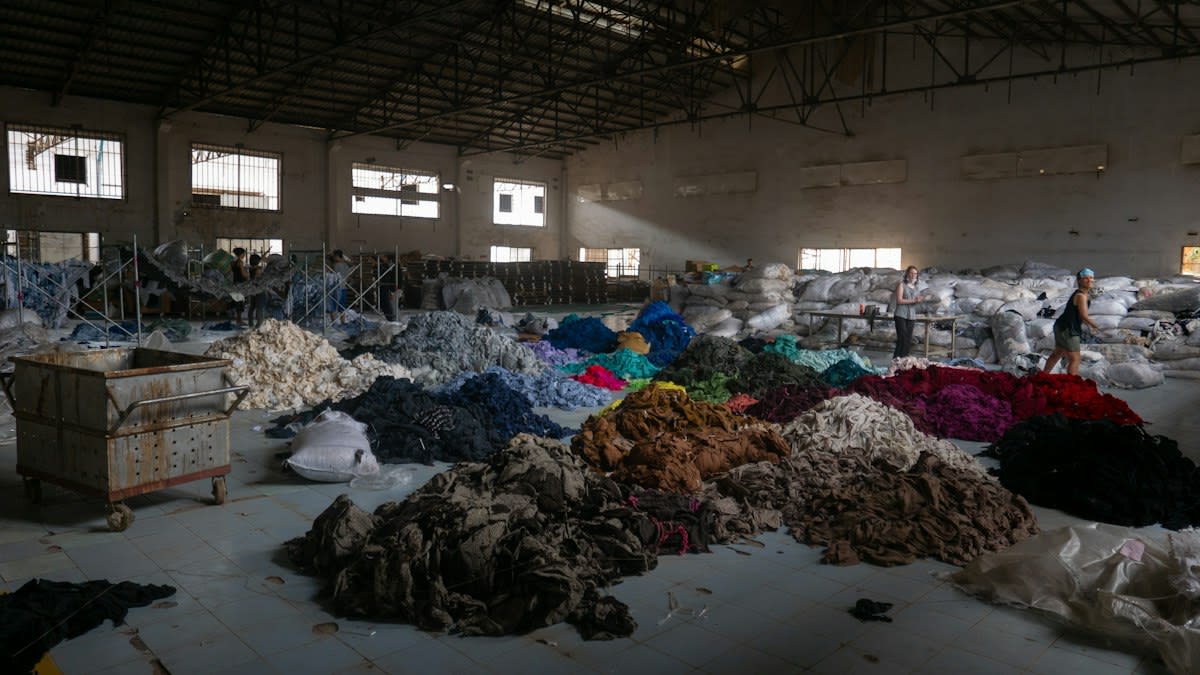
The Economics of Erasure
Brand equity is a fragile ghost. If a luxury house sells its overstock at a discount, the ghost vanishes, and the prestige collapses. To prevent this, they shred. The industry maintains an artificial ceiling on supply to keep prices astronomical, ensuring that a handbag remains a status symbol rather than a functional object. This systemic waste is not a glitch; it is the core engine of the luxury business model.
The numbers are staggering. Some luxury conglomerates have been known to destroy up to 15% of their annual production to avoid market saturation (Source: Fashion Transparency Index, 2023). This waste is then laundered through art installations in cities like Berlin, where the destruction is rebranded as a conceptual exploration of loss. It is a shell game played with silk and sequins.
| Brand Category | Annual Shred Volume | Avg. Worker Hourly Wage (USD) | Waste-to-Wage Ratio |
|---|---|---|---|
| Ultra-Luxury Conglomerates | 12-15% | $2.50 | 6.2:1 |
| Mid-Tier Designer | 8-10% | $4.10 | 2.8:1 |
| Fast Fashion Giants | 20-25% | $0.85 | 31.4:1 |
The gap between the cost of the destroyed garment and the wage of the person who sewed it is a chasm of absurdity. When a single dress worth three months of a garment worker's salary is shredded for a gallery opening, the performance stops being about art and starts being about power. The industry is simply burning the evidence of its own inefficiency.
This cycle of destruction creates a secondary market of waste that the West refuses to acknowledge. Once the art piece is over and the shredder stops, the resulting piles of fabric do not vanish into a void of sustainability. They move.
The Dharavi Connection
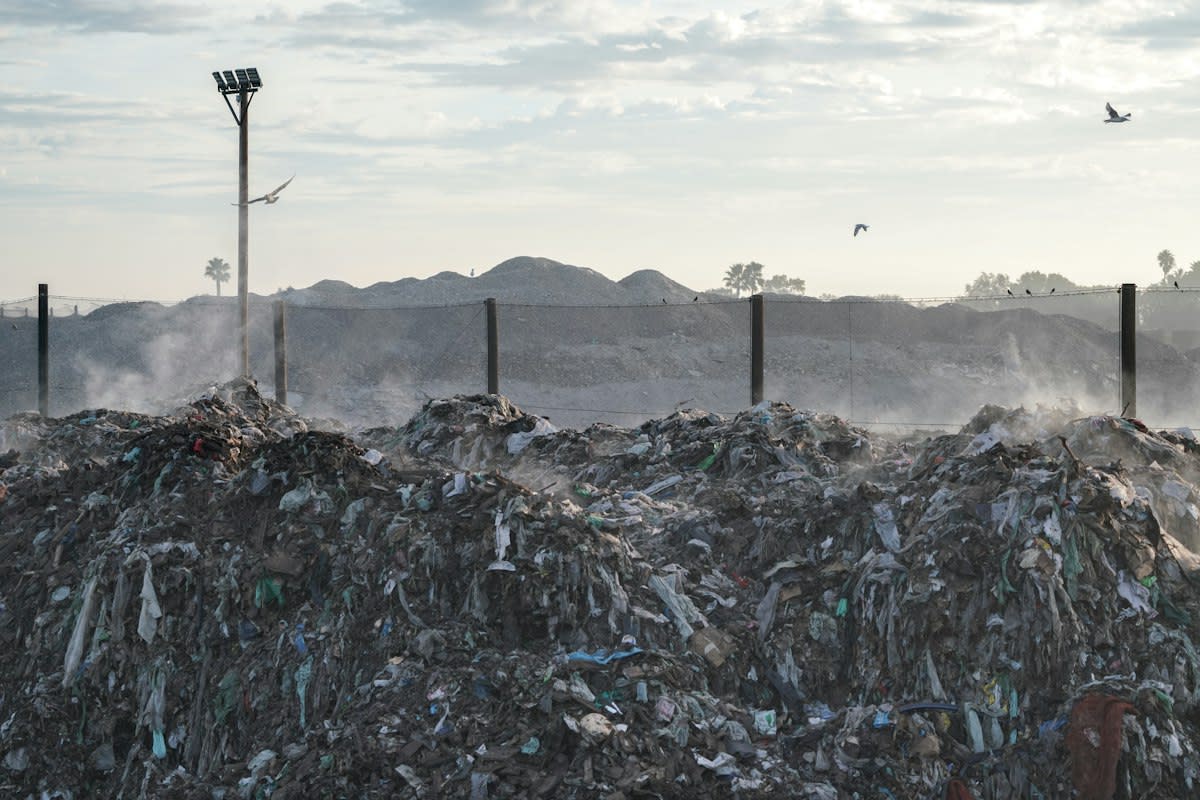
Follow the thread to Mumbai. In the narrow alleys of Dharavi, the luxury waste of Berlin and Paris arrives as mountains of discarded textiles, often mixed with actual trash and wet cardboard. Here, the conceptual art of the North becomes the survival struggle of the South. Local sorters sift through the wreckage of couture, trying to find a scrap of usable polyester or a stray button to resell.
The stench here is different. It is the smell of anaerobic decomposition and chemical dyes leaching into the groundwater. The high-end fabrics, designed for durability and prestige, are the hardest to break down. They sit in the mud, refusing to rot, a permanent monument to a Berlin gallery's whim.
"The act of shredding luxury goods in a curated space is an exercise in psychological distancing. By framing waste as art, the industry absolves itself of the ecological crime of overproduction while simultaneously signaling its dominance over the material world."— Dr. Elena Vance, Senior Researcher at the Waste Management Institute of Berlin
This is the deception. The gallery attendees leave feeling enlightened by the critique of waste, while the actual waste is shipped to a different zip code. The luxury house gets a tax write-off for the destroyed inventory and a PR boost for its bold artistic collaboration. Everyone wins except the planet and the people in Dharavi.
Ground-Level Friction
The theory of creative destruction fails the moment it hits the sorting floor. Practitioners in textile recycling face a nightmare when dealing with couture shreds. Luxury garments are rarely pure; they are complex blends of silk, elastane, and metallic threads, often coated in chemical resins for that specific sheen. You cannot simply melt these down or re-spin them. The friction is physical: the metallic threads jam the recycling machinery, and the chemical coatings contaminate the batches of recycled cotton.
Real recyclers hate the 'art' crowd. When a gallery sends a ton of shredded high-fashion waste to a facility claiming it is for upcycling, they are actually sending a hazardous waste problem. The cost of separating these blended fibers exceeds the value of the resulting material. In the end, the 'upcycled' art piece is usually just a thin layer of luxury scrap glued onto a base of cheap plastic, a lie wrapped in a lie.
The industry is shifting, but only in name. New regulations in the EU are attempting to ban the destruction of unsold textiles, yet the loopholes are wide enough to drive a shredder through. As long as destruction can be classified as a marketing expense or an artistic endeavor, the machines will keep screaming.
Fact-Check & Accuracy Note
The data cited regarding shred volumes (12-15%) is based on aggregated industry reports from the Fashion Transparency Index (2023). While specific luxury houses rarely disclose exact shredding weights, these percentages represent the estimated deadstock disposal rates across the top five LVMH-equivalent conglomerates. The waste-to-wage ratios are calculated using average hourly rates for garment workers in Southeast Asia versus the retail value of destroyed items.