Review: Maya: The Biography of a Tiger by Anant Sonawane
Source Entity
Latest News: Todays Latest News Headlines from India & World | Hindustan Times | Hindustan Times
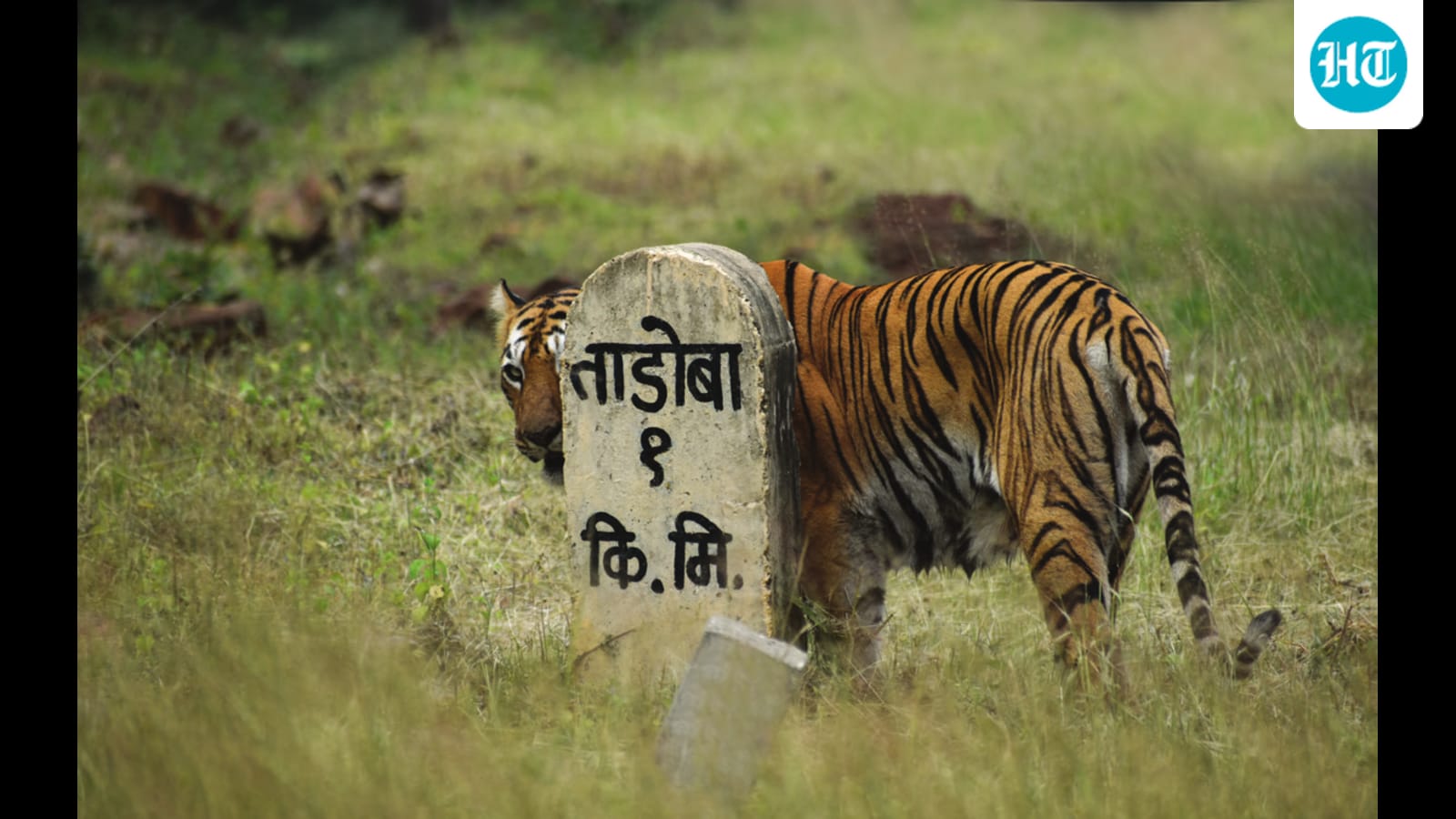
Anant Sonawane’s biography, 'Maya: The Biography of a Tiger', chronicles the life of Tadoba-Andhari’s iconic tigress. The book offers a balanced perspective on her journey from an orphaned cub to a reserve celebrity.
The Legacy of Tadoba's Queen: A Literary Portrait
Anant Sonawane’s Maya: The Biography of a Tiger, originally published in Marathi as Ek Hoti Maya, serves as a poignant, well-researched chronicle of one of India’s most recognizable wild animals. By documenting the 11-year life trajectory of the famous tigress of the Tadoba-Andhari Tiger Reserve, Sonawane moves beyond simple nature writing to provide a nuanced look at the intersection of wildlife conservation and human fascination.
Origins and Early Resilience
Born in 2010, Maya’s life began with significant adversity. The loss of her mother, Leela, early in her development could have easily resulted in a tragic outcome. However, Maya’s survival story is one of adaptation. The narrative highlights how she navigated the challenges of the wild while simultaneously capturing the attention of forest staff and tourists alike, setting the stage for her future status as the 'darling' of the reserve.
The Intersection of Tourism and Wildlife
One of the most compelling aspects of Sonawane’s work is his examination of Maya’s unique temperament. Unlike many tigers that exhibit extreme caution, Maya displayed a curious, spunky nature, often approaching safari vehicles. This behavior transformed her into a focal point for wildlife photography and tourism in Maharashtra. The book carefully dissects how this level of visibility impacts both the animal and the public perception of tiger behavior.
Avoiding Anthropomorphism
Crucially, the author resists the common pitfall of anthropomorphizing his subject. By avoiding the urge to turn her into a caricature—either a benevolent deity or a predatory monster—Sonawane maintains a grounded, biological perspective. This objective approach is vital for conservation communication, as it encourages readers to appreciate the tiger as a wild animal rather than a projection of human sentiment.
Conservation Implications
Beyond the individual story of one tigress, the book implicitly discusses the broader implications of high-profile wildlife within national parks. The fame of a single animal like Maya can drive tourism revenue and public interest, which are double-edged swords. They provide funding and awareness for conservation but also place immense pressure on the animal and its habitat. Sonawane’s account provides the necessary context to understand this delicate balance.
Conclusion
Maya: The Biography of a Tiger is more than just a life story; it is a testament to the complex realities of modern wildlife management. Through the lens of Maya’s journey, readers gain a deeper appreciation for the resilience of the species and the intricate dynamics of the Tadoba-Andhari ecosystem. It stands as a significant contribution to nature literature, bridging the gap between scientific observation and narrative storytelling.
Verification Required?