Make In India At 12: What Worked, What Didn't, What Needs More Work
Source Entity
NDTV News Search Records Found 1000
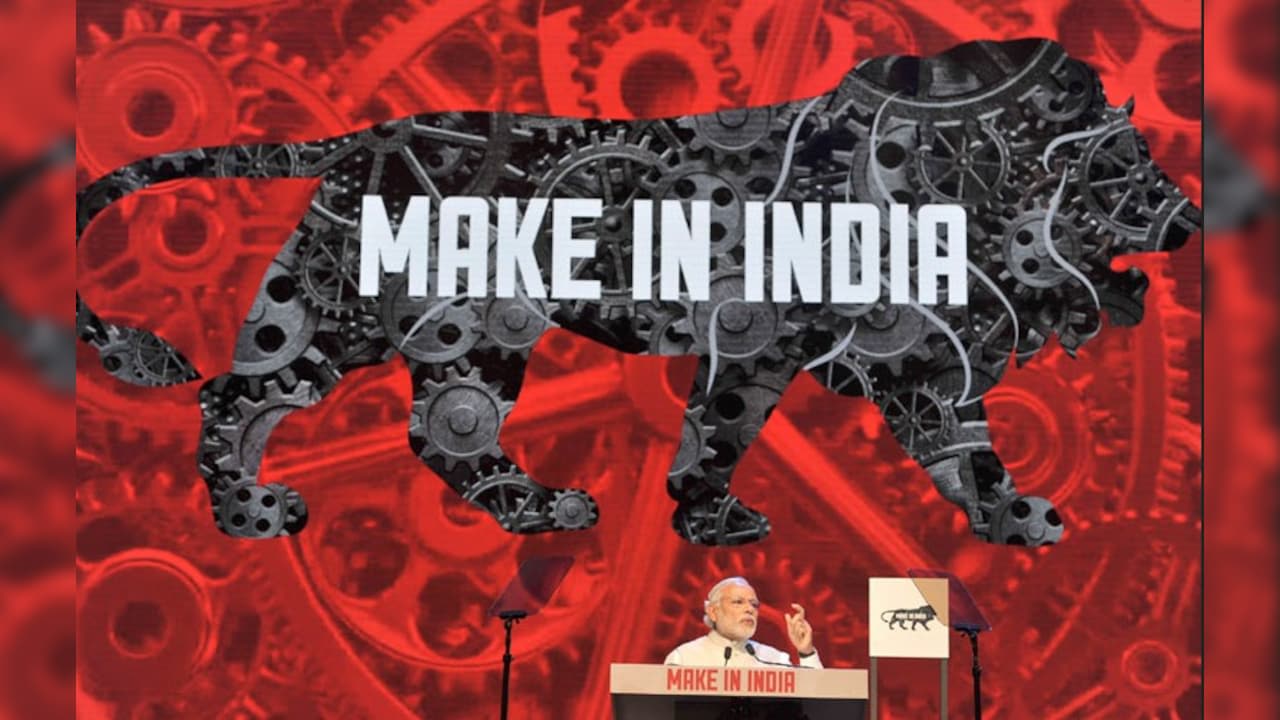
As the 'Make in India' initiative completes 12 years, the program shows mixed results with sector-specific successes but stagnant overall manufacturing growth. While government incentives have yielded gains in select areas, broader metrics regarding employment and global export share remain largely unchanged since 2014.
Assessing the Legacy of 'Make in India' at 12 Years
Twelve years after the September 25, 2014, launch of the 'Make in India' initiative, the program remains a central pillar of India’s economic policy. Prime Minister Narendra Modi recently characterized the initiative as having driven a 'transformation visible across sectors,' signaling government confidence in the program's trajectory. However, an objective analysis of the last decade reveals a complex narrative of localized successes contrasted with systemic stagnation in broader economic indicators.
The Disconnect Between Intent and Macro Metrics
When the campaign was inaugurated, Prime Minister Modi emphasized that sustainable industrial growth requires a 'development and growth-oriented environment' rather than reliance on 'fancy incentive schemes.' Despite this original vision, recent data suggests that the most tangible progress has occurred precisely within the framework of targeted government incentive schemes. These programs have fostered growth in specific industries, yet these gains have not translated into a significant shift in the manufacturing sector's overall contribution to India’s GDP, employment rates, or global export share, which have remained largely stagnant since 2014.
Sector-Specific Gains vs. Broad Stagnation
While the initiative has successfully attracted investment in select pockets of the economy, the impact remains 'patchy.' The reliance on incentive-based models has created a dual-speed manufacturing landscape: high-growth sectors benefit from government support, while the broader industrial base struggles to overcome structural hurdles. This disparity highlights the difficulty of creating an organic, self-sustaining manufacturing ecosystem that does not rely exclusively on policy-driven stimuli.
The Challenge of Employment and Exports
One of the primary goals of the initiative was to bolster employment and improve India’s standing in global supply chains. Twelve years of data indicate that the manufacturing sector has not yet achieved the transformative expansion required to significantly alter India’s employment landscape or increase its share of global exports. The persistence of these metrics at pre-2014 levels suggests that the 'Make in India' campaign faces deep-seated challenges related to supply chain integration, infrastructure, and ease of doing business that go beyond simple incentive structures.
Future Implications and Policy Refinement
Moving forward, the narrative of 'Make in India' must shift from initial broad-based promotion to addressing the specific bottlenecks hindering broad-scale industrialization. If the goal is to see a true transformation, policymakers will likely need to re-evaluate the transition from incentive-reliant growth to creating a holistic environment that fosters competitiveness. The next phase of the initiative will be defined by its ability to scale the success of niche sectors into a comprehensive industrial strategy that impacts the national economy at large.
Verification Required?