CEA flags 3 'near term' headwinds for Indian economy: What are they
Source Entity
SHIVANGHI PAYAL
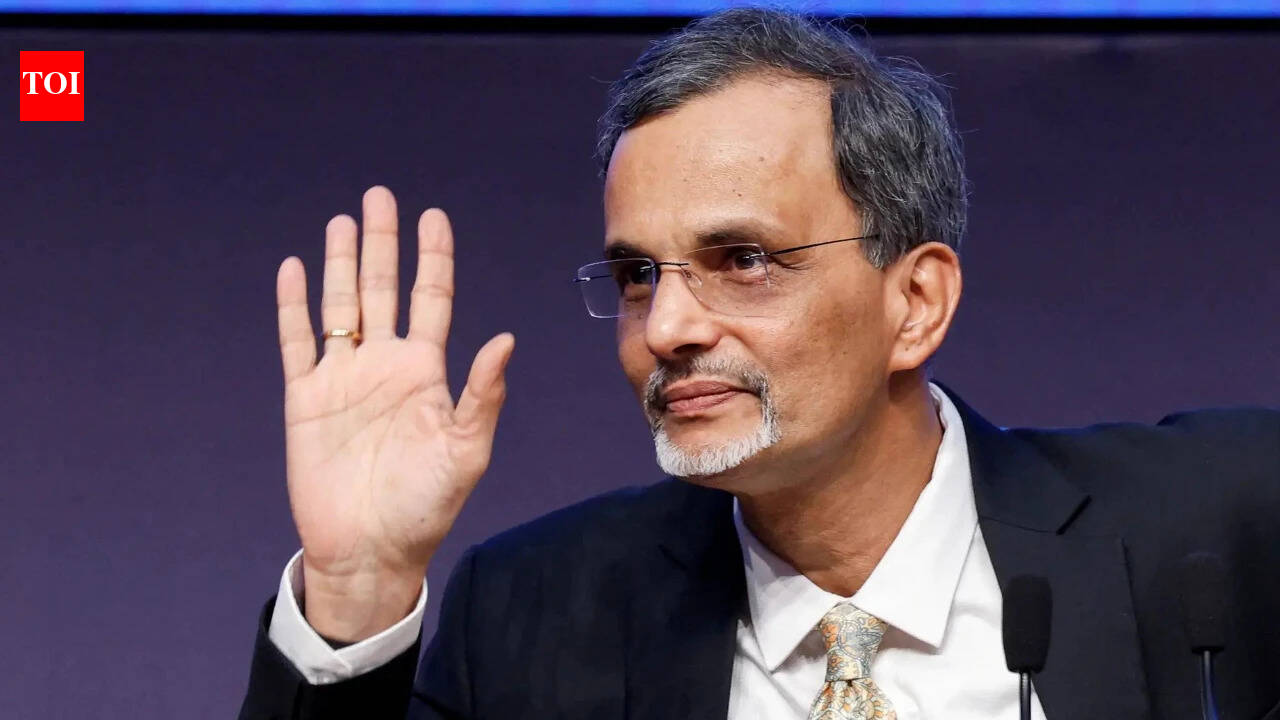
Chief Economic Adviser V Anantha Nageswaran has identified geopolitical tensions, volatile energy prices, and a lack of AI integration as key headwinds for India's economy. These factors currently challenge the nation's growth momentum and trade stability.
India's Economic Horizon: Navigating Near-Term Headwinds
Chief Economic Adviser (CEA) V Anantha Nageswaran has recently articulated a cautious outlook for the Indian economy, identifying three primary 'near-term' headwinds that threaten to disrupt the nation's growth trajectory. Speaking at the 13th State Bank of India Banking and Economics Conclave, Nageswaran highlighted that while India remains resilient, it must address systemic vulnerabilities—specifically international trade relations, global energy price fluctuations, and the urgent need for a cohesive Artificial Intelligence (AI) strategy—to maintain its momentum.
Geopolitical Friction and the 'Uneasy Equilibrium'
One of the most pressing concerns raised by the CEA is the current state of India-US relations, which he characterizes as an 'uneasy equilibrium.' This diplomatic and economic tension stems from persistent trade-related differences that have complicated bilateral cooperation. As India seeks to integrate deeper into global supply chains, managing these friction points becomes essential to ensure that trade policy remains a catalyst for growth rather than a bottleneck for capital inflows.
The Volatility of Global Energy Markets
Energy security remains a foundational pillar for any developing economy, and India is no exception. Nageswaran’s emphasis on volatile energy prices acknowledges the country's heavy reliance on imported oil and gas, which leaves it vulnerable to global geopolitical shocks. When energy prices fluctuate, they exert inflationary pressure on the domestic economy, impacting everything from manufacturing costs to consumer purchasing power, thereby necessitating more robust domestic energy policies.
The AI Imperative for Future Growth
Perhaps the most transformative challenge identified is the relative absence of a comprehensive national AI strategy. As global industries pivot toward automation, machine learning, and data-driven decision-making, India’s lag in establishing a robust domestic AI ecosystem could stifle its competitive edge. The CEA’s call to action suggests that integrating AI into the industrial framework is no longer a luxury but a prerequisite for sustaining high-growth rates in the coming decade.
Strengthening the Manufacturing Base
To combat the ongoing goods trade deficit, Nageswaran has stressed the critical need to bolster the domestic manufacturing sector. By enhancing manufacturing capabilities, India can reduce its reliance on imports and improve its trade balance. This shift requires a concerted effort to attract foreign investments through policy reforms that simplify the ease of doing business and encourage long-term capital formation.
Conclusion: A Path Toward Resilience
In summary, the Indian economy stands at a crossroads. While the nation has demonstrated remarkable resilience against global economic headwinds, the path forward requires proactive management of international relations, a strategic approach to energy security, and an aggressive investment in the technological frontier. By focusing on these three pillars—manufacturing, investment, and innovation—India can navigate these near-term challenges and secure its position as a global economic powerhouse.