5 animals a tiger may think twice before attacking
Source Entity
The Indian Express
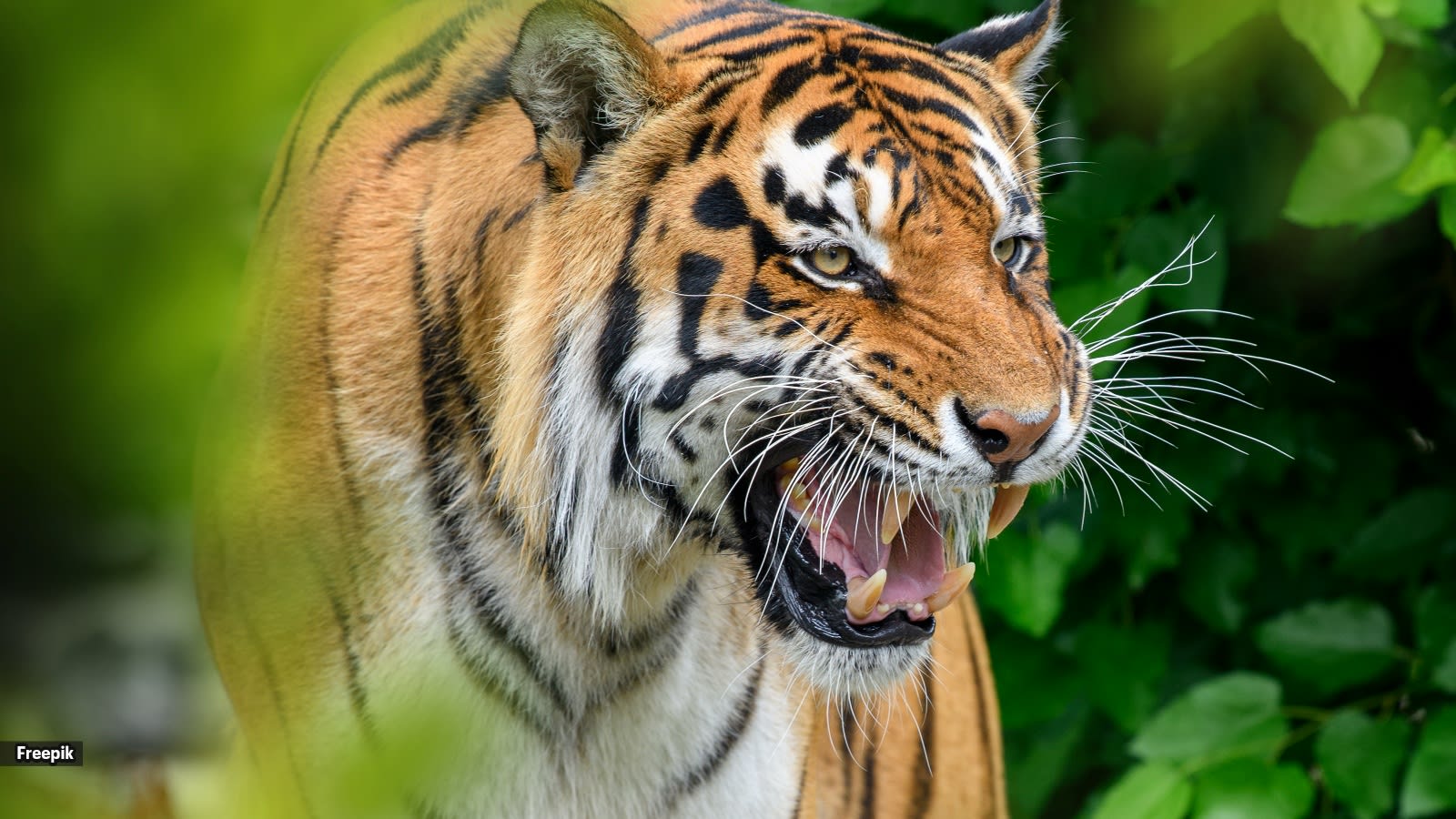
Tigers are apex predators that selectively avoid certain prey to prevent injury. Large animals like the Asian elephant pose significant risks, causing tigers to exercise caution despite their hunting prowess.
The Strategic Calculus of an Apex Predator
Tigers are widely regarded as the pinnacle of feline evolution, possessing immense strength, stealth, and predatory intelligence. However, the life of an apex predator is not defined by constant aggression, but by a rigorous internal risk-benefit analysis. As evidenced by behavioral observations, tigers often demonstrate a 'think twice' approach when encountering prey that could inflict life-altering injuries.
The Cost of Predation
For a tiger, the physical toll of a hunt is a primary concern. Unlike scavengers, a tiger relies entirely on its physical condition to survive. A single damaged paw, a broken tooth, or a deep laceration from a desperate prey animal can lead to a long-term inability to hunt. This makes the tiger a highly calculated strategist rather than a reckless killer, prioritizing long-term survival over short-term caloric gain.
The Case of the Asian Elephant
Among the animals that force a tiger to reconsider its options, the Asian elephant stands out. While tigers have been documented opportunistically targeting elephant calves, the dynamic changes drastically when a mother is present or when the calf is sufficiently protected. The sheer size and defensive capabilities of an adult elephant present an existential threat to a lone tiger, rendering the risk of a direct confrontation disproportionately high.
Risk Mitigation and Behavioral Patterns
Behavioral ecology suggests that predators possess an innate understanding of their limits. When faced with prey that is unusually large or capable of mounting a fierce defense, a tiger will often stalk, observe, and wait for the perfect moment of vulnerability. This patience is not merely a hunting tactic; it is an evolutionary safeguard designed to preserve the hunter’s physical integrity.
Broader Ecological Implications
This selective hunting behavior is vital for maintaining ecosystem balance. If tigers attacked indiscriminately, they would suffer higher mortality rates, leading to a decline in their population and a subsequent imbalance in the food web. By choosing their battles, tigers ensure their longevity as the apex regulators of their environments, allowing the broader ecosystem to thrive under the threat of a predator that is both powerful and pragmatic.
Conclusion
In summary, the tiger’s predatory success is defined as much by its restraint as it is by its strength. By avoiding unnecessary confrontations with formidable animals like the Asian elephant, the tiger demonstrates a sophisticated level of risk assessment that is essential for its survival in the wild.