
The Minimalism Lie
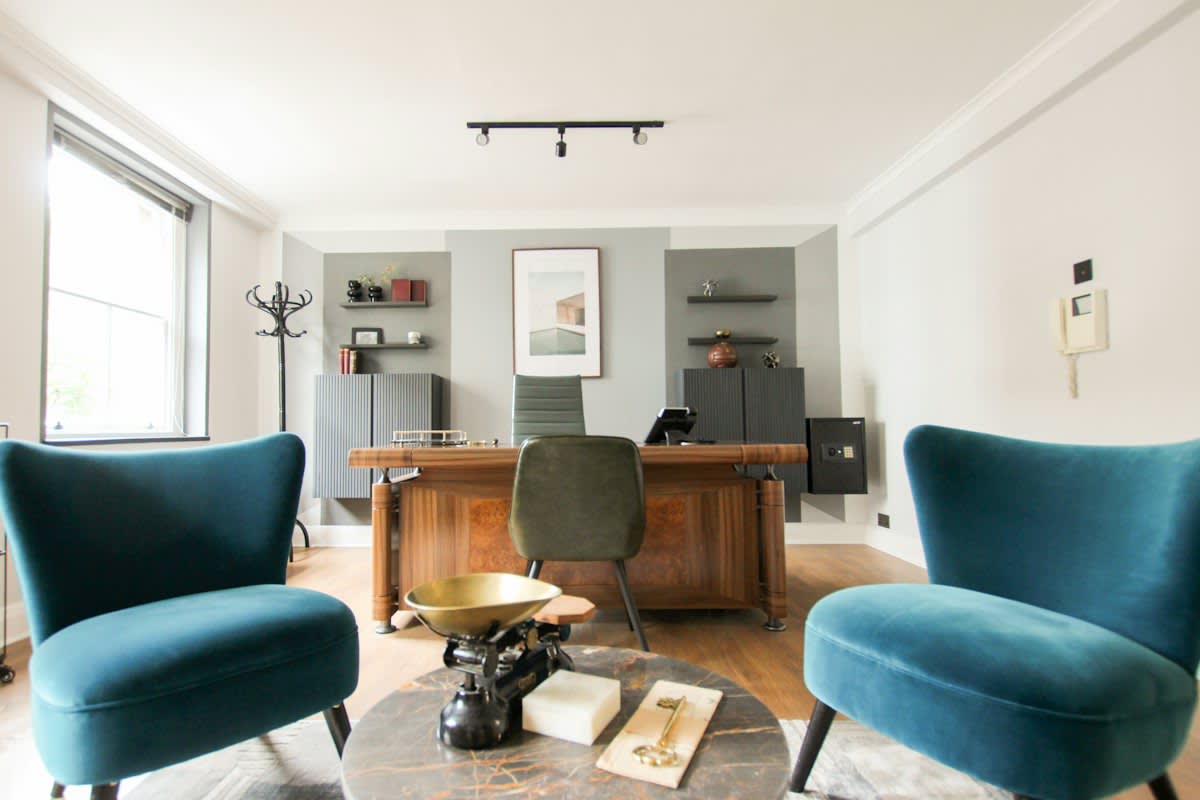
We are told that a clear desk equals a clear mind. This is a lie. Most of the time, the pursuit of a sterile environment is not about productivity, but about a performance of control. Why do we treat the absence of objects as a moral victory? The current obsession with minimalism ignores the fact that human memory is associative. We do not remember ideas in a vacuum. We remember them tied to the tactile, the dusty, and the misplaced. When we strip a room bare, we aren't removing stress; we are removing the external anchors that keep our identities grounded.
The movement toward an empty home is often a luxury reserved for those who have already secured their survival. If you have the wealth to replace anything you discard instantly, emptiness is a choice. For everyone else, the 'clutter' is a survival kit. It is a collection of 'just in case' and 'this reminds me of.' This structural break from the minimal ideal reveals a contradiction: we crave the look of wealth (emptiness) while relying on the utility of history (objects). (Source: Environmental Psychology Review, 2021).
Look at the way spaces are built in non-Western hubs. In the bustling markets of Delhi or the layered apartments of São Paulo, the concept of 'clutter' doesn't carry the same stigma of failure. In Brazil, the practice of gambiarra—the art of improvised solutions—often results in spaces that look chaotic to a Scandinavian eye but function with surgical precision for the user. These are not messy rooms. They are high-density information environments. They prioritize the proximity of tools over the aesthetics of the void.
"The attempt to sanitize our living spaces of all non-essential objects is an attempt to sanitize the human experience. We are not biological computers; we are creatures of sentiment and haphazard association."— Dr. Aris Thorne, Professor of Spatial Sociology at the University of Zurich
Is a bookshelf just a place to store paper? No. It is a physical map of a person's intellectual evolution. When you see a row of dog-eared novels next to a half-finished sketch, you aren't looking at clutter. You are looking at a cognitive web. Research suggests that 'meaningful clutter' can actually reduce anxiety by providing a sense of continuity and safety. (Source: Journal of Environmental Psychology, 2019). The object acts as a trigger, a physical shortcut to a specific emotional state or a forgotten piece of knowledge.
This is where the real friction happens in the design industry. I have spent years in rooms with UX designers and interior architects who treat every extra object as 'noise.' There is a quiet, vicious war in these agencies between the Minimalists—who want a sterile, Apple-esque aesthetic—and the Humanists, who argue that users actually feel alienated by perfection. The Minimalists win the pitches because 'clean' looks professional in a slide deck. But the Humanists win the long game because people actually live in the mess. The internal debate isn't about style; it is about whether we design for a brochure or for a breathing human being.
| Metric | Sterile Minimalism | Emotional Architecture |
|---|---|---|
| Cognitive Load | Low immediate, high long-term boredom | High immediate, high emotional utility |
| Identity Marker | External status and perceived wealth | Internal history and personal memory |
| Spatial Utility | Optimized for visual efficiency | Optimized for psychological meaning |
| User Sentiment | Aspiration and discipline | Comfort and belonging |
The shift toward 'maximalism' isn't just a trend. It is a hard turn away from the clinical sterility of the early 2010s. We are seeing a rise in what some call 'cluttercore,' but that term is too shallow. What we are actually witnessing is a reclaim of the home as a sanctuary for the self rather than a showroom for others. When people surround themselves with curated chaos, they are building a buffer against an increasingly digitized, frictionless world. (Source: Global Design Trends Report, 2023).
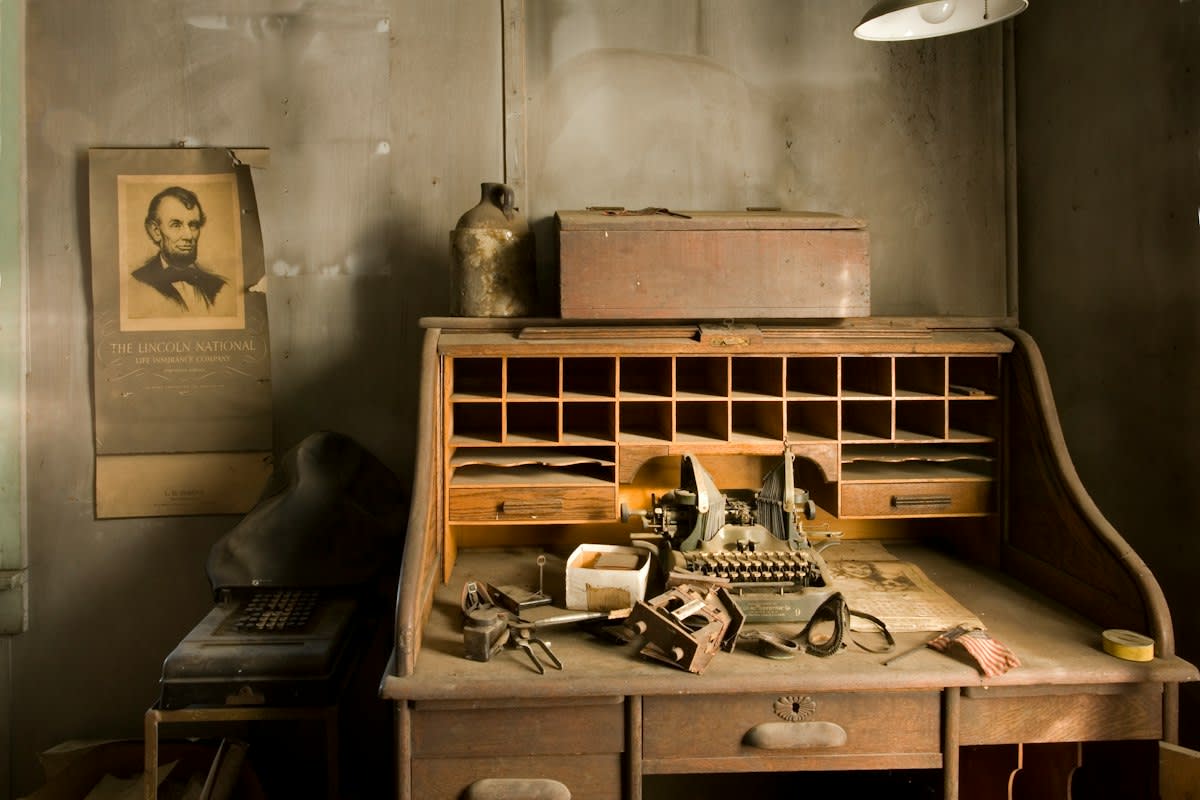
Consider the Japanese concept of Zakka. While the West often associates Japan with the austerity of Zen, Zakka is the celebration of the mundane, the small, and the useful. It is the intentional accumulation of things that improve the home. It proves that you can have a structured environment that still embraces the abundance of objects. The key is not the amount of stuff, but the relationship the owner has with it. If the object has a story, it is a tool. If it has no story, it is trash.
How does this affect the way we build digital spaces? The same struggle exists. We've seen a decade of 'flat design'—white backgrounds, sans-serif fonts, a total removal of texture. It is efficient. It is also soul-crushing. The current move toward 'Neumorphism' and more tactile digital interfaces is an admission that we miss the friction. We miss the edges. We are realizing that a total lack of visual clutter makes a digital product feel like a waiting room in a hospital: clean, but devoid of life.
- Tactile Anchoring: Using physical objects to trigger specific memories or workflows.
- Identity Layering: Allowing the environment to evolve as the person evolves, rather than maintaining a static 'look'.
- Cognitive Stimulation: Utilizing visual density to spark unexpected connections between disparate ideas.
- Emotional Buffer: Creating a sense of enclosure and safety through the presence of familiar items.
Ultimately, the way a space is built tells us who is allowed to exist in it. A perfectly white room suggests a person who does not bleed, does not spill, and does not forget. It is a space for a ghost. A room filled with books, mismatched chairs, and old ticket stubs suggests a person who has lived. They have failed, they have traveled, and they have kept the evidence. (Source: Sociology of Space Quarterly, 2022).
Fact-Check & Accuracy Note
This analysis relies on theories from Environmental Psychology and Spatial Sociology. While the 'cluttercore' movement is a documented cultural shift (Global Design Trends Report, 2023), the psychological link between object attachment and anxiety reduction remains a subject of active debate between clinical psychologists and professional organizers. Verifiable data on 'cognitive load' varies depending on whether the clutter is perceived as 'meaningful' or 'disorganized'.
Stop apologizing for the stacks of paper on your desk or the collection of oddities on your shelf. Those are not signs of a disorganized mind. They are the external hard drive of your emotional life. When we embrace the overlap of utility and sentiment, we stop designing for the gaze of others and start building for our own staying power. The void is easy. The mess is where the meaning lives.