'Keeping a list of names': Abhishek Banerjee warns cops trying to 'please' Suvendu
Source Entity
VIVEK DUBEY
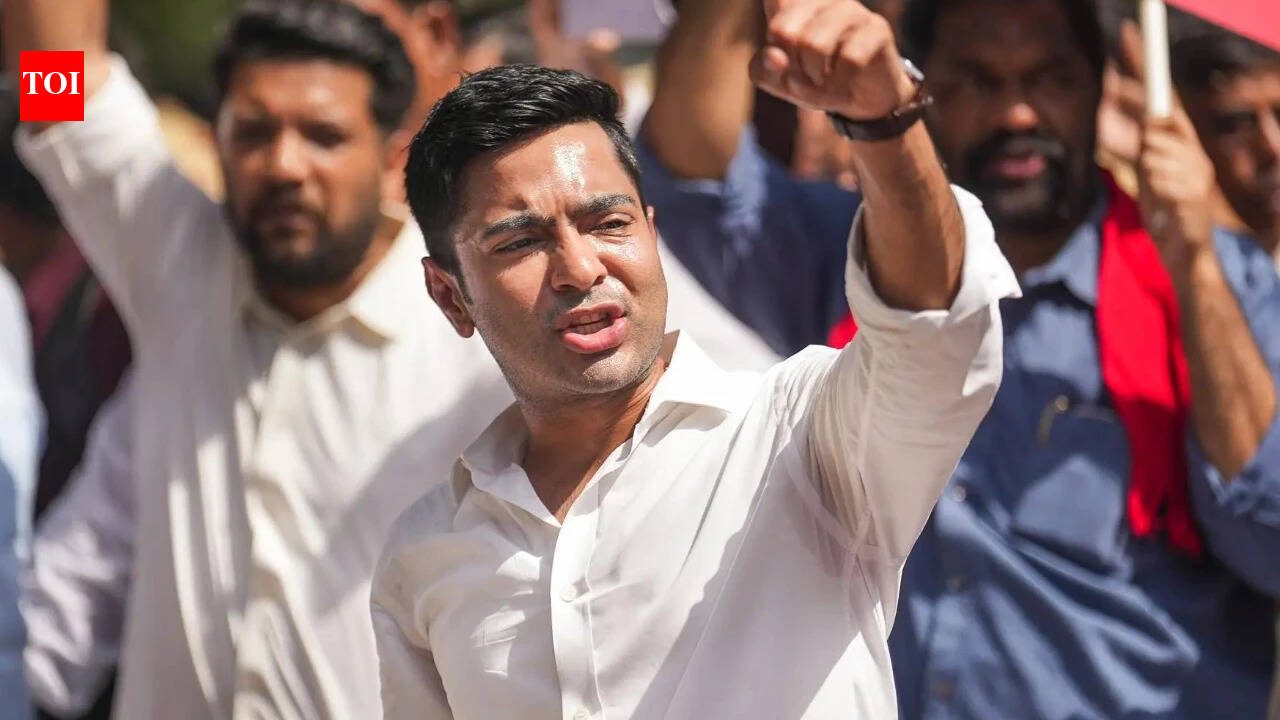
Abhishek Banerjee has issued a stern warning to West Bengal police officers, accusing them of bias in favor of BJP leader Suvendu Adhikari. This escalation highlights the intensifying political friction in West Bengal surrounding recent high-profile arrests.
The Escalating Political Standoff in West Bengal
Recent political developments in West Bengal have reached a fever pitch, characterized by a direct confrontation between the Trinamool Congress (TMC) leadership and the state police force. Abhishek Banerjee, a senior leader of the TMC, has issued a public warning directed at law enforcement officers, specifically accusing them of prioritizing the interests of BJP leader Suvendu Adhikari over their professional duties. This warning, framed as "keeping a list of names," suggests that the TMC views the current administrative climate as one where police officials are allegedly acting as extensions of the opposition party to secure favor.
The Context of Political Arrests
The tension is rooted in the arrest of former West Bengal minister Indranil Sen. The arrest has served as a catalyst for a broader debate regarding the neutrality of state agencies. Supporters of the BJP view the arrest as a justified legal action aimed at curbing corruption, while TMC leadership characterizes it as a clear case of political vendetta. This dichotomy reflects the deeply polarized nature of West Bengal politics, where the boundaries between judicial process and political maneuvering are increasingly blurred.
Accountability vs. Alleged Intimidation
Abhishek Banerjee’s rhetoric highlights a significant concern regarding the politicization of the bureaucracy. By threatening to maintain a registry of officers who allegedly "please" the BJP, Banerjee is signaling to the civil service that their career trajectories and standing may be subject to future scrutiny should the political winds shift. This approach is perceived by critics as a form of intimidation, yet for the TMC, it is presented as a mechanism of accountability against those they believe have compromised their constitutional mandates to support the BJP’s agenda.
The Role of Suvendu Adhikari
The central figure in this narrative, Suvendu Adhikari, represents the primary opposition force in the state. His influence over the discourse, particularly regarding the arrests of former colleagues-turned-political-rivals, has made him a lightning rod for criticism. The TMC’s focus on his relationship with the police underscores the party's belief that the BJP is leveraging central and state investigative mechanisms to systematically dismantle the TMC’s power structure ahead of future electoral cycles.
Broader Implications for State Governance
The persistent friction between the TMC and the BJP creates a volatile environment for West Bengal’s governance. When law enforcement becomes a focal point of partisan conflict, the public’s trust in the impartiality of the state apparatus erodes. As both parties continue to trade accusations of vendetta and corruption, the administrative machinery risks becoming paralyzed, with officers caught in the crossfire of competing political directives. This trend suggests that future political cycles will likely be defined by even more aggressive scrutiny of state institutions.
Future Trends and Outlook
Looking ahead, the rhetoric used by leaders like Abhishek Banerjee indicates that the TMC will likely continue to challenge the perceived bias of the police force. If the trend of arrests continues, the reliance on judicial intervention will likely increase as both parties seek to validate their claims of "justified action" versus "political vendetta." The state remains a high-stakes arena where the outcome of these legal and political battles will significantly influence the trajectory of power in West Bengal for years to come.