Hyderabad developer relocates 800 mango trees for road instead of cutting them
Source Entity
TOI LIFESTYLE DESK
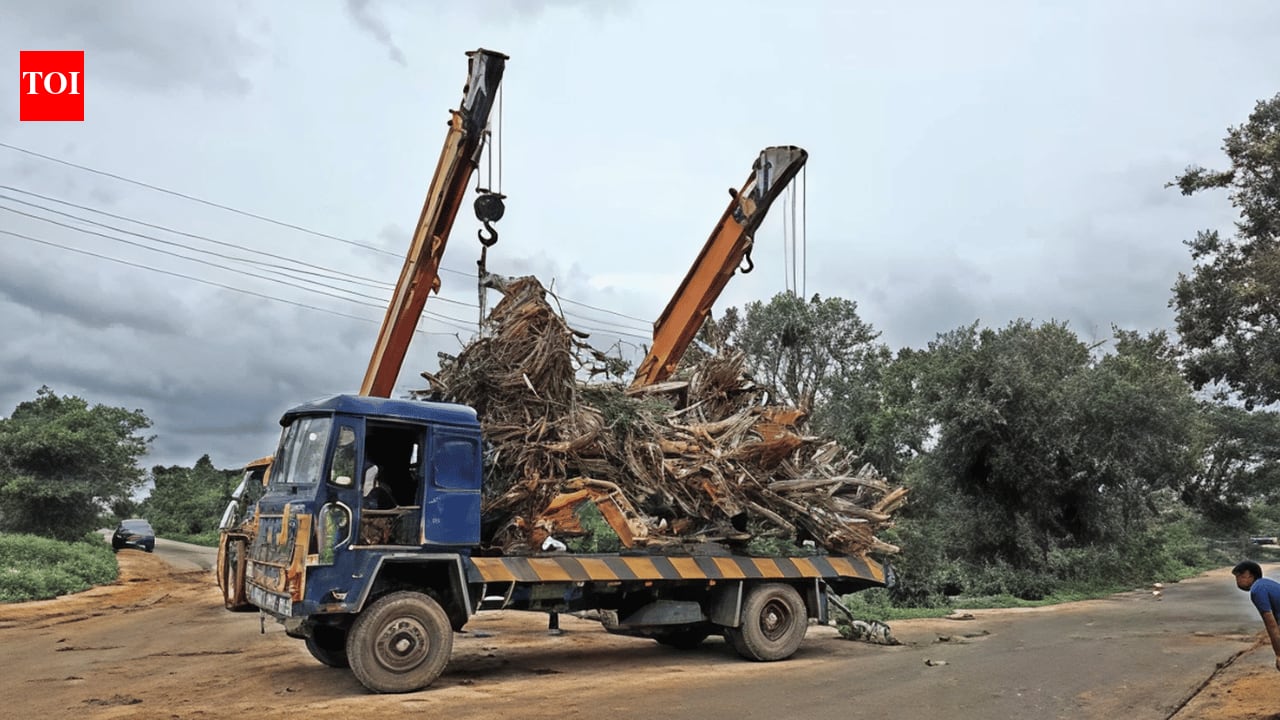
A Hyderabad developer has successfully relocated 800 mango trees instead of cutting them down for a new road project. Working with the Vata Foundation, the initiative highlights a growing trend of prioritizing environmental preservation in urban development.
A Sustainable Shift in Urban Development
In a commendable departure from standard construction practices, a developer in Hyderabad has demonstrated that urban expansion does not inherently require the destruction of local ecosystems. Faced with the necessity of constructing a link road through a 150-acre residential project, the developer, Ashwin Rao, encountered a significant obstacle: 800 mature mango trees stood directly in the path of the proposed infrastructure. Rather than pursuing the conventional and more cost-effective route of clearing the land, Rao chose to invest in the survival of these trees, signaling a paradigm shift in how private developers approach environmental stewardship.
The Logistics of Large-Scale Translocation
The process of moving 800 trees is a monumental logistical challenge that requires meticulous planning and specialized botanical intervention. Over a period of six to eight months, the project team worked to prepare the trees for relocation. This involved root pruning and soil preparation to ensure the specimens could withstand the trauma of being uprooted. By purchasing an alternative plot specifically to host these trees, the developer provided a permanent sanctuary, ensuring that the ecological footprint of the new road was mitigated through active conservation rather than passive compliance.
Partnering for Ecological Success
A critical factor in the success of this initiative was the collaboration with the Vata Foundation. Known for their extensive expertise in tree translocation—including the complex relocation of massive banyan trees—the foundation provided the technical oversight necessary to ensure high survival rates. With a track record of successfully relocating over 17,500 trees, the foundation’s involvement underscores the importance of institutional knowledge in environmental management. Their methodology ensures that trees are not merely moved, but are actively nurtured to thrive in their new environment.
Broader Implications for Urban Planning
This initiative serves as a blueprint for sustainable development in rapidly growing cities like Hyderabad. As urban heat islands expand and green cover diminishes, the preservation of mature trees becomes a vital component of climate resilience. By demonstrating that tree translocation is a viable alternative to deforestation, projects like this challenge the industry standard that views nature as an impediment to progress. It encourages local governments and developers to consider the long-term biological value of existing landscapes during the initial planning phases of infrastructure projects.
Future Trends in Green Infrastructure
The actions taken by Ashwin Rao represent a growing global movement toward 'green infrastructure.' As public awareness regarding biodiversity loss increases, developers are finding that environmental responsibility can enhance the marketability and ethical standing of their residential projects. Moving forward, we can expect to see more stringent regulations or voluntary frameworks that incentivize the translocation of flora over the clearing of land. This shift not only preserves the aesthetic quality of our cities but also maintains essential carbon sinks and local habitats.
Conclusion
The relocation of 800 mango trees in Hyderabad stands as a powerful testament to what is possible when developers prioritize long-term ecological health over short-term expediency. By investing the time and resources required to move these trees, the project has set a new benchmark for corporate responsibility. As cities continue to expand, the integration of conservation techniques like translocation will be essential to balancing human development with the preservation of our natural world.