Indian rupee was once used in Gulf countries: Former Indian ambassador revisits little-known history in new book
Source Entity
Latest News: Todays Latest News Headlines from India & World | Hindustan Times
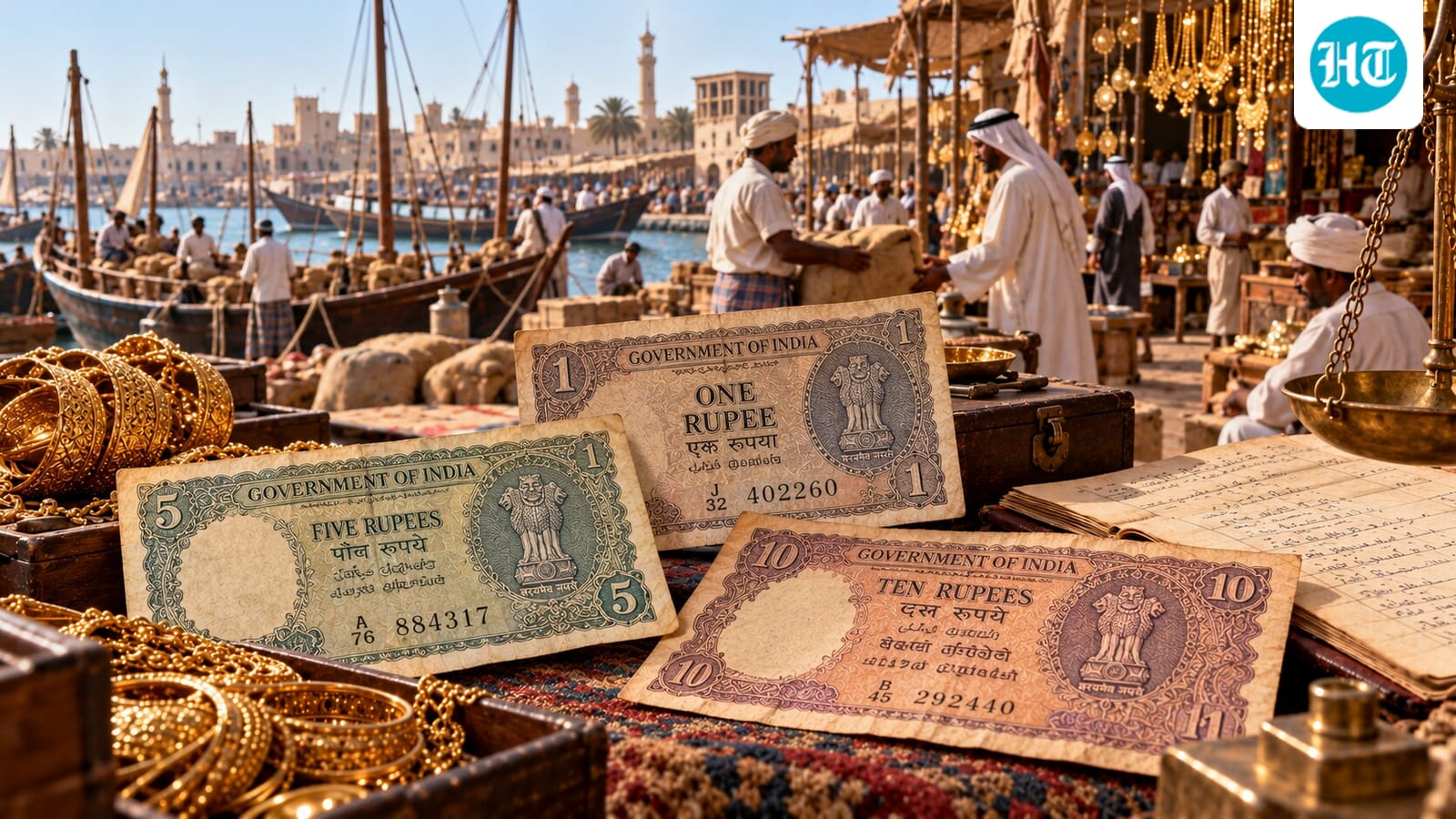
Former Ambassador Navdeep Singh Suri's new book highlights the historical circulation of the Indian rupee in Gulf nations. This revelation underscores the deep-rooted economic ties between India and the UAE that predate modern currency systems.
The Historical Currency Link Between India and the Gulf
Former Indian Ambassador to the UAE, Navdeep Singh Suri, has shed light on a fascinating, often overlooked chapter of economic history in his latest publication, Bridging the Gulf: The Remaking of India-UAE Relations. Launched on October 25, the book explores the centuries-old interconnectedness of the Indian subcontinent and the Gulf region, specifically highlighting the period when the Indian rupee served as a primary medium of exchange across various Gulf states. This historical nuance provides critical context for the contemporary bilateral relationship, which has evolved from simple trade routes into a sophisticated strategic partnership.
Economic Integration Before Modern Sovereignty
Long before the Gulf Cooperation Council (GCC) nations established their own sovereign currencies, the Indian rupee was a dominant force in the regional economy. This circulation was not merely a matter of convenience but a testament to the robust maritime trade networks that linked the ports of Western India with the trading hubs of the Arabian Peninsula. By functioning as a de facto regional currency, the rupee facilitated seamless movement of goods and capital, laying the foundational infrastructure for the deep economic integration that characterizes the India-UAE relationship today.
Diplomatic Insight and Archival Research
Ambassador Suri’s work is uniquely positioned, as it draws directly from his extensive tenure as a diplomat in the UAE combined with rigorous archival research. By revisiting this era, the book challenges the modern perspective that views India and the Gulf primarily through the lens of recent oil-based trade or expatriate labor. Instead, it positions the current economic ties as the latest iteration of a historical trajectory that has been centuries in the making, providing a scholarly basis for the growing diplomatic synergy between the two nations.
Implications for Modern Geopolitics
Understanding this historical monetary alignment is essential for analyzing current bilateral dynamics. The fact that the rupee once acted as a regional currency highlights a period of significant trust and economic interdependence. In the context of modern international relations, where India and the UAE are increasingly looking to move away from third-party currencies for trade settlements, this historical precedent serves as a powerful symbol of economic cooperation and self-reliance. It reinforces the narrative of 'reconnecting' rather than 'starting anew' in their current efforts to boost bilateral trade.
Future Trends in India-UAE Relations
Looking ahead, the research presented by Suri suggests that the future of India-Gulf relations will continue to be defined by a desire to streamline financial and logistical barriers. As both nations modernize their economies—India through digital transformation and the UAE through strategic diversification—the lessons from their shared monetary history provide a framework for future integration. By acknowledging these historical bonds, policymakers can better navigate the complexities of contemporary global trade, leveraging a long-standing legacy of trust to drive innovation in financial technology and cross-border investment.
Verification Required?