Karnataka hikes milk prices by Rs 8 per litre from Nov 1
Source Entity
PRACHI KUMAWAT
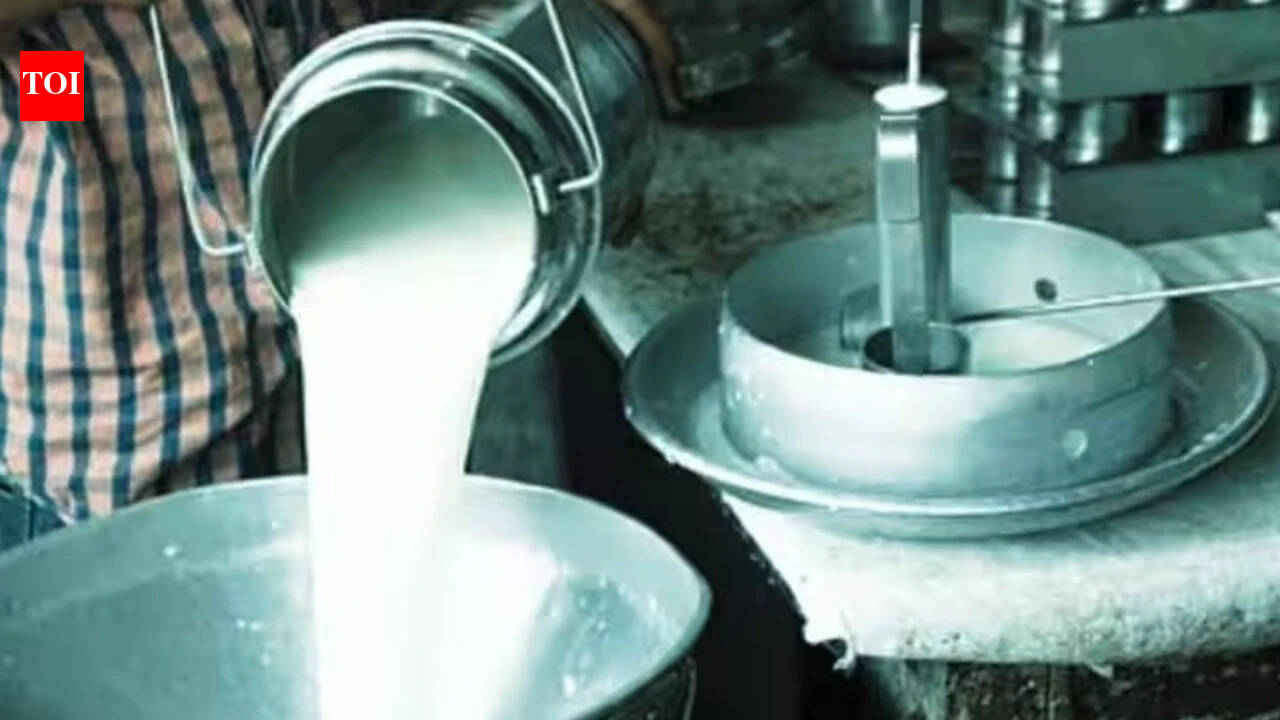
The Karnataka government has approved an Rs 8 per litre hike in milk prices, effective November 1, to support dairy farmers facing rising costs and drought. Farmers will receive Rs 7 of the increase, while cooperatives receive Rs 1.
Karnataka Implements Significant Milk Price Increase
The Karnataka Cabinet has officially sanctioned an increase in milk prices by Rs 8 per litre, a decision set to take effect on November 1. This strategic adjustment aims to provide immediate financial relief to dairy farmers who have been grappling with escalating input costs and the adverse impacts of drought conditions across the state. By increasing the procurement price, the government seeks to stabilize the dairy sector, which serves as a crucial livelihood for rural populations.
Financial Breakdown and Distribution
Of the total Rs 8 per litre hike, the distribution model is clearly defined to ensure a significant portion reaches the primary producers. Farmers, who currently earn Rs 35 per litre, will see their income rise to Rs 42 per litre, with the inclusion of state incentives bringing the effective total to Rs 47 per litre. The remaining Re 1 from the hike is allocated to the Karnataka Milk Federation (KMF) cooperatives, intended to bolster the infrastructure and operational sustainability of the state's dairy unions.
Responding to Farmer Demands and Drought
The government's decision follows persistent advocacy from dairy farmers who had initially sought a more substantial increase of Rs 10 per litre. The delay in finalizing this policy was primarily due to the enforcement of the election code of conduct during the recent Legislative Council polls. With those electoral processes concluded on October 27, the Cabinet was able to address the urgent economic pressures exacerbated by recent droughts, which have significantly increased the cost of fodder and maintenance for livestock.
Broader Economic Implications
While the price hike is a victory for the farming community, it carries broader economic implications for the consumer market in Karnataka. Industry analysts anticipate that the increased cost of raw milk will likely lead to a ripple effect, with hotels and restaurants expected to adjust their menu prices to account for the higher operational expenses. This reflects the interconnected nature of the agricultural supply chain and the retail food service industry.
Future Trends and Sustainability
Looking ahead, the success of this price adjustment will depend on the KMF’s ability to manage the supply chain effectively while maintaining the quality of Nandini milk. By prioritizing the welfare of farmers, the state government is attempting to mitigate the risk of supply shortages that often occur when dairy production becomes economically unviable. Moving forward, the balance between consumer affordability and the sustainability of dairy farming will remain a critical focus for Karnataka’s agricultural policy.