Kerala passenger paid less on cancelled ticket wins Re 1 refund in case against IRCTC
Source Entity
Ashish Shaji
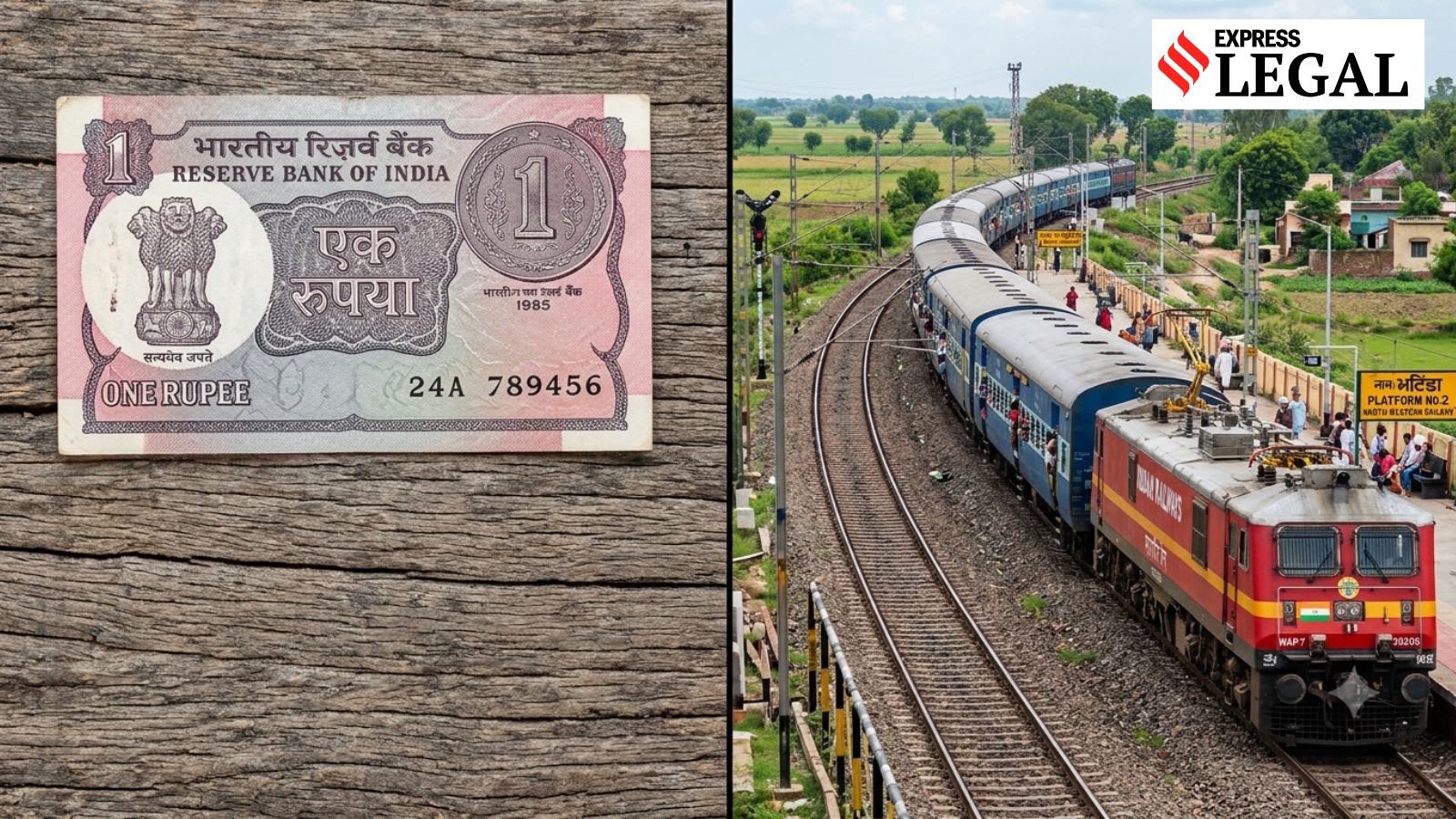
A Kerala passenger successfully sued the IRCTC after receiving a refund short of Re 1 for a cancelled ticket. The consumer commission ruled in his favor, ordering the payment of the missing rupee plus Rs 3,100 in compensation and costs.
A Victory for Consumer Rights in India
In a notable legal development, a passenger from Kerala has successfully challenged the Indian Railway Catering and Tourism Corporation (IRCTC) over a nominal discrepancy in a refund for a cancelled train ticket. The case, adjudicated by the Kasaragod District Consumer Commission, highlights the growing trend of individual consumers holding large state-run entities accountable for even the smallest lapses in service. The complainant, having received a refund that was exactly Re 1 short of the expected amount, sought legal recourse, demonstrating that the principles of consumer protection apply regardless of the monetary value at stake.
The Commission's Ruling
The presiding bench, consisting of President Krishnan K and member Beena KG, ruled that the shortfall in the refund constituted a deficiency in service and an unfair trade practice. By ordering the IRCTC to pay the missing Re 1, along with 9% interest calculated from the date of cancellation on August 17, 2024, the commission affirmed that administrative errors by public sector undertakings are not exempt from scrutiny. This ruling serves as a reminder of the mandate of the Consumer Protection Act, which empowers citizens to seek redressal for grievances against service providers, regardless of the scale of the financial loss.
Financial Implications and Compensation
Beyond the recovery of the missing rupee, the commission imposed a penalty of Rs 3,100 on the IRCTC. This includes Rs 100 as compensation for the mental agony and service deficiency experienced by the passenger, and Rs 3,000 specifically designated to cover the costs of litigation. This punitive measure serves as a deterrent against bureaucratic negligence, signaling to large corporations that the time and effort spent by consumers in pursuit of justice will be recognized and compensated by the legal system.
The Broader Impact on Service Standards
While the amount in question is trivial, the implications for consumer rights in India are significant. The ruling emphasizes that the integrity of automated ticketing systems is paramount. When public entities operate platforms that handle millions of transactions, accuracy is not merely an operational goal but a legal obligation. By pursuing this case, the complainant has underscored the importance of transparency in digital financial transactions and the accountability that must accompany the digital transformation of Indian railways.
Future Trends in Consumer Litigation
This case sets a precedent that may encourage other travelers to challenge systemic errors in ticketing and refund processes. As digital literacy increases, more citizens are becoming aware of their rights under consumer law. We may see a rise in small-claims disputes where the principle of fair service outweighs the cost of litigation. For organizations like the IRCTC, this underscores the need for robust quality assurance and automated reconciliation processes to avoid the reputational and financial costs associated with unnecessary legal battles over minor accounting discrepancies.
Conclusion
The resolution of the 'Re 1' case in Kasaragod is a testament to the efficacy of the district consumer forums in India. It validates the consumer's right to demand precision and accountability from state-run service providers. Ultimately, this legal victory reinforces the democratic principle that no entity is too large to be held responsible for its errors, and no grievance is too small to be addressed by the law.