Accused must explain source of excess wealth, not investigators: Supreme Court
Source Entity
Latest News: Todays Latest News Headlines from India & World | Hindustan Times
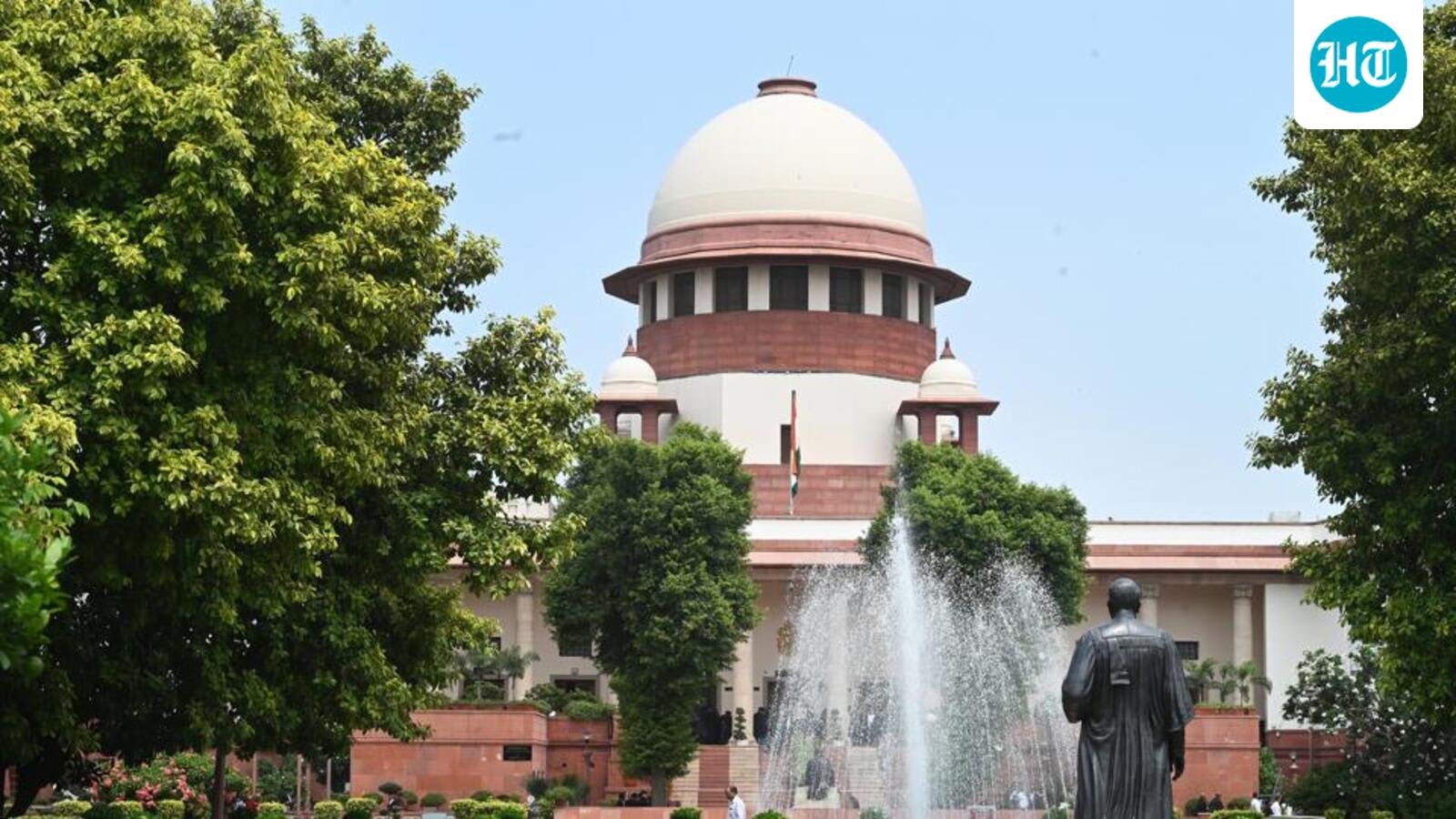
The Supreme Court has ruled that public servants accused of possessing disproportionate assets bear the burden of proving their lawful origins. This decision streamlines anti-corruption investigations by shifting the onus of proof once foundational facts are established.
Supreme Court Defines Burden of Proof in Anti-Corruption Cases
In a significant legal development, the Supreme Court of India has clarified the evidentiary framework governing corruption cases involving public servants. The ruling addresses the long-standing procedural friction regarding disproportionate assets, establishing that once the prosecution presents foundational evidence of wealth exceeding known income, the burden of proof shifts to the accused. This decision is designed to prevent the judicial process from stalling under the weight of an 'endless search' by investigating agencies.
Establishing Foundational Facts
The court emphasized that the prosecution is not absolved of its initial duty. Investigators must first establish the 'foundational facts'—the prima facie evidence that a public servant has amassed assets that do not align with their documented financial standing. Only after this initial threshold is met does the legal responsibility transition to the accused, who must then provide credible and verifiable documentation to explain the acquisition of such assets.
The Principle of Special Knowledge
A core legal principle invoked in this judgment is the concept of 'special knowledge.' The court reasoned that the specific origin, mode of acquisition, and financial history behind undisclosed wealth are facts uniquely known to the accused public servant. Because these details are internal to the individual's financial dealings, it is legally and practically appropriate to hold them accountable for providing a transparent explanation, rather than tasking the state with disproving every hypothetical source of income.
Implications for Anti-Corruption Efforts
This ruling serves to strengthen the efficacy of anti-corruption agencies, such as the Central Bureau of Investigation or state-level vigilance departments. By preventing defendants from forcing investigators into a perpetual cycle of searching for every conceivable income stream, the court has effectively streamlined the litigation process. This ensures that the focus of the trial remains on the legitimacy of the assets in question, rather than on the limitations of the investigative agency's resources.
Strengthening Institutional Integrity
Beyond procedural efficiency, the judgment underscores the broader commitment to institutional integrity within the public sector. By placing the onus on the accused to account for their wealth, the court reinforces the principle that public service is a position of trust. This framework creates a higher standard of accountability, deterring the accumulation of illicit wealth by ensuring that the legal system is equipped to handle corruption cases with greater clarity and speed.
Conclusion: A New Standard for Accountability
Ultimately, this Supreme Court directive marks a pivotal shift in how corruption trials will be conducted. By balancing the prosecution's duty to establish a foundation with the accused's duty to provide justification for their assets, the court has created a more robust mechanism for addressing financial misconduct. As these guidelines are implemented, they are expected to reduce the duration of trials and provide a clearer path toward judicial resolution in cases of disproportionate assets.
Verification Required?