
We are told that artificial intelligence is a tool for liberation. That is a lie. It is a filter. By removing the struggle of creation, we are not freeing the artist; we are erasing the cultural fingerprints that make design meaningful. Why do we celebrate a result that requires no thought? When we offload the cognitive heavy lifting to a machine, we surrender the very friction that defines a cultural aesthetic. This is cognitive gentrification. It is the process of replacing organic, local complexity with a polished, global average.
The Erosion of Ownership
Effort is the glue of identity. Brain-imaging research indicates that when users accept AI-generated answers without effort, they engage their own knowledge and deep thinking significantly less (Source: Modern Ghana, 2026). This isn't just a loss of skill. It is a loss of soul. A study from the MIT Media Lab found that individuals using ChatGPT felt the least ownership of their work and struggled to recall what they had actually written (Source: Modern Ghana, 2026). If a designer in Lagos or Seoul cannot recall the logic behind their choices because a prompt did the work, the aesthetic ceases to be a reflection of culture. It becomes a reflection of the training data.

The danger is most acute among the youth. A study of 666 people linked heavier AI use to weaker critical thinking, a trend mediated by cognitive offloading that hit younger users hardest (Source: Modern Ghana, 2026). We are raising a generation of creators who prioritize the output over the process. When the process dies, the cultural nuance dies with it. We see this in the way traditional patterns from the Global South are being smoothed over by AI generators to fit a Western-centric ideal of symmetry and cleanliness.
The Productivity Trap
Efficiency is the enemy of art. Current workplace technology is designed to accelerate the individual, not the collective. In fact, technology boosts individual productivity by 13.5%, but team productivity rises by only 8.9% (Source: HR Magazine, 2026). This gap is where culture lives. Culture is a team sport. It is the result of arguments, misunderstandings, and the slow blending of diverse perspectives. When we optimize for the individual's speed, we hollow out the collaborative space where truly original aesthetics are born.
| Productivity Metric | Growth Percentage | Impact Level |
|---|---|---|
| Individual Productivity | 13.5% | High |
| Team Productivity | 8.9% | Moderate |
"Individual productivity is driven by how one person works, while organisational productivity depends on how effectively people, processes and information are connected."— Hannah Soye, Chief People and Culture Officer at Haiilo
This disconnection creates a mechanical failure in creative output. We are producing more, but we are producing the same things. The grip of the algorithm ensures that every 'modern' office in Nairobi looks like a 'modern' office in New York. We have mistaken speed for progress. By focusing on how quickly a single person can generate a mood board, we forget how to design a space that actually breathes the air of its surroundings.
The Insider's Friction
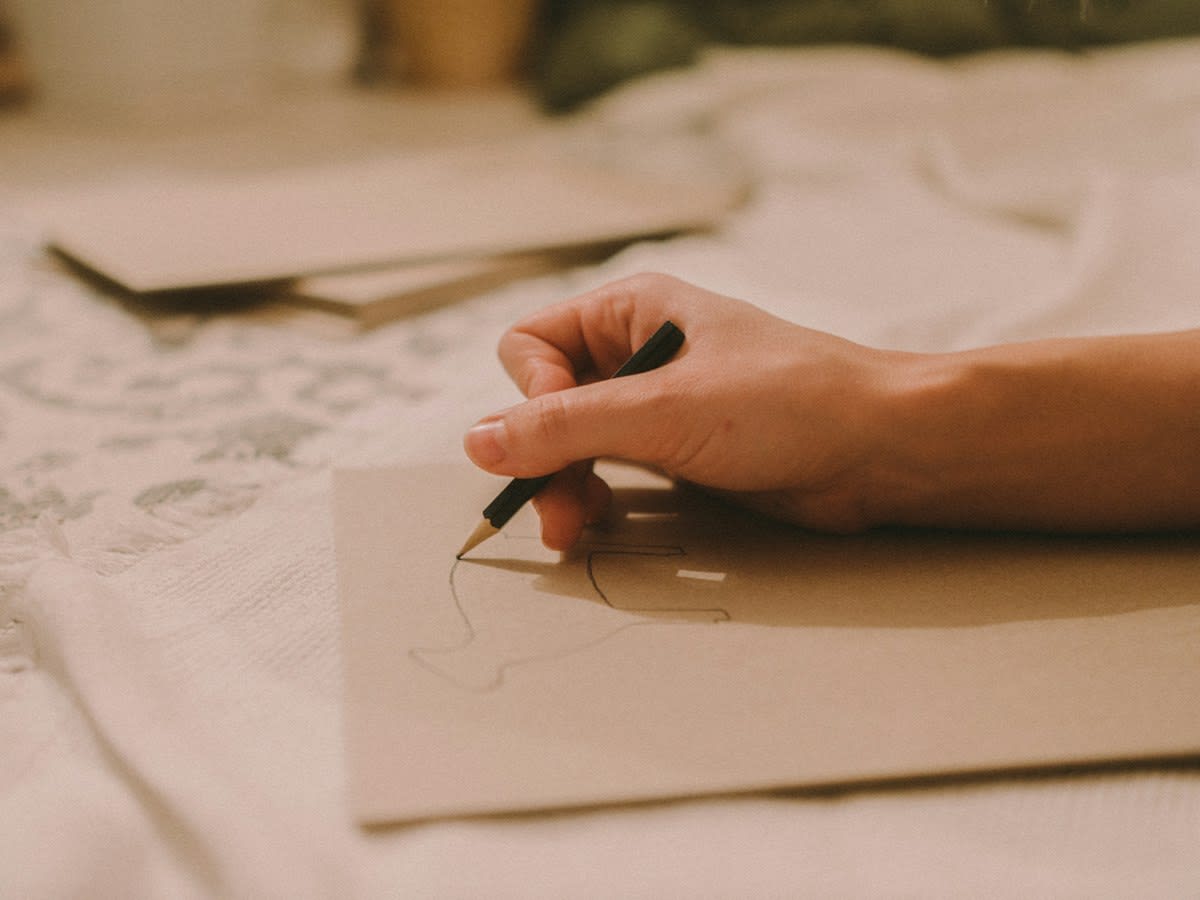
Inside the agencies, the war is already being fought. There is a silent, bitter dispute between the old guard, who insist on the 'messy' phase of sketching and conceptual friction, and the new hires who view a blank page as a failure of prompting. The friction isn't about the tools; it is about the value of the struggle. Practitioners know that the best ideas often emerge from the frustration of a tool not working or a concept failing. When AI provides the 'good answer' immediately, it kills the serendipity of the wrong turn. This is the invisible cost of the AI-enabled workflow: the death of the happy accident.
Can we find a way back? Perhaps the answer lies in the very things that slow us down. We see a renewed interest in cognitive health and longevity. For instance, regular consumption of caffeinated coffee—two to three cups daily—has been linked to better cognitive functioning and a lower risk of dementia (Source: Science Daily, 2026). While a cup of coffee won't save an art movement, it represents a commitment to the biological machinery of the mind. We must treat our critical thinking like a muscle. If we do not strain it, it withers.
Adaptation Over Automation
The path forward is not to ban the machine, but to intentionally reintroduce friction. We must design workflows that mandate cognitive effort. This means using AI for the mundane—like the AI claims surveys being integrated into the insurance sector (Source: Insurance Times, 2026)—while fiercely guarding the conceptual phase of design. We should use technology to handle the data, but never the intent.
True cultural aesthetics are not sets of rules that can be scraped from a website. They are lived experiences. They are the result of a community deciding what is beautiful and why. If we allow the default settings of a LLM to decide our aesthetics, we aren't just losing style. We are losing the ability to define ourselves. The goal is to use the speed of the individual to create more space for the slowness of the collective.
Fact-Check & Accuracy Note
The data on AI and critical thinking is still nascent. While the MIT Media Lab study and other research indicate a trend toward cognitive offloading and reduced ownership, the International AI Safety Report notes that research in this area is still in its early stages (Source: Modern Ghana, 2026). Debate continues on whether AI is dulling the mind or simply shifting the nature of human cognition.