With Stephen Miller pick, Trump readies for a battle
Source Entity
BBC News
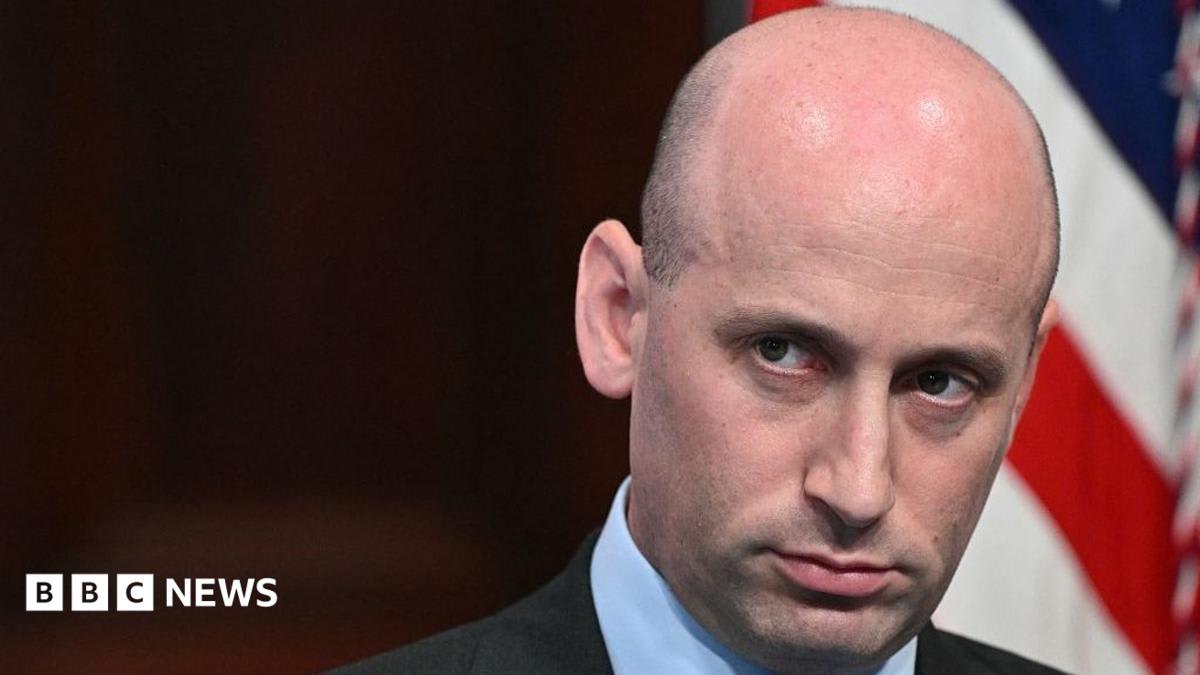
President Trump has appointed Stephen Miller as his new White House chief of staff following the departure of Susie Wiles. This leadership change comes in the wake of Republican losses in the 2026 midterm elections, which resulted in Democrats gaining control of Congress.
A Strategic Pivot in the Final Stretch
Following a series of significant defeats in the 2026 midterm elections, President Donald Trump has initiated a major shake-up within his administration. On Friday, the President announced that Stephen Miller, a long-serving loyalist and current deputy chief of staff, will replace Susie Wiles as the White House chief of staff. This transition, effective Monday, marks a pivot in personnel as the administration prepares for a challenging final two years in office.
The Departure of Susie Wiles
Susie Wiles, who Trump acknowledged for doing an "outstanding job," is transitioning to the "Trump Political Operation." Despite the change, the President maintained that Wiles remains a valued part of his team. Trump’s public comments, describing the decision as a moment where "sometimes in life you have to make moves," suggest a desire to inject new energy into the West Wing following the electoral setback that saw Republicans lose control of both the House and the Senate.
Miller’s Role and Political Trajectory
Stephen Miller is widely recognized as the architect of Trump’s hard-line immigration policies and has been a cornerstone of the President’s political circle since the 2016 campaign. By elevating Miller—a figure known for his ideological alignment with the President—Trump appears to be fortifying his inner circle with a trusted strategist capable of navigating the heightened scrutiny expected from a Democratic-controlled Congress.
Navigating a Divided Washington
The shift in leadership coincides with a significant change in the balance of power in Washington. With Democrats now holding the majority in both chambers of Congress, the administration faces a new reality of oversight. Congressional tools such as the power to hold hearings, request detailed information from agencies like the DHS and USCIS, and exert control over agency budgets will likely dominate the legislative agenda. While the President retains the veto, his ability to appoint personnel and enact policy will face unprecedented pressure.
Future Trends and Legislative Challenges
As the administration moves into this final phase, the focus shifts toward how the executive branch will contend with a hostile legislative environment. Experts note that while Congress can influence policy through funding and oversight, it cannot unilaterally cancel executive orders or existing regulations. Consequently, the next two years will likely become a contest of executive willpower versus legislative obstruction, with issues ranging from immigration to foreign affairs serving as the primary battlegrounds.
Conclusion
The appointment of Stephen Miller signals a consolidation of power around core ideological priorities as the administration seeks to secure its legacy. Whether this change will allow the President to effectively counter the "great American comeback" narrative against a backdrop of congressional investigations remains the defining question for the remainder of his term.
Multiple Citing Sources