2026 iPad mini review: Maximizing the mini
Source Entity
Scharon Harding
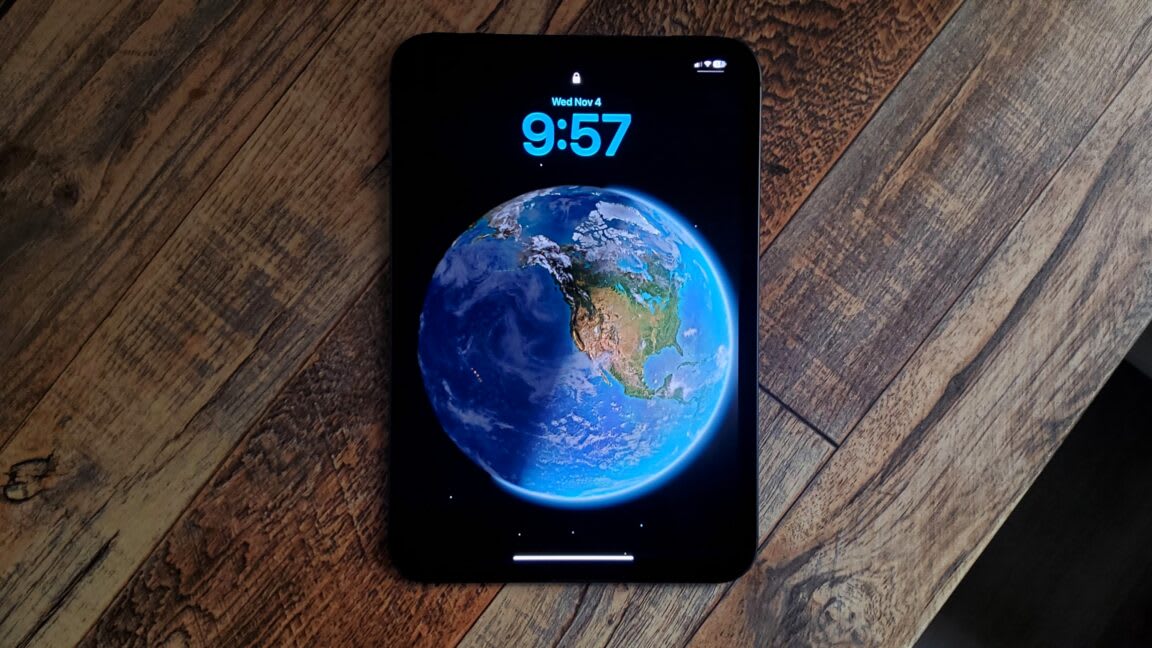
Apple has launched the eighth-generation iPad mini, featuring a significant OLED display upgrade and enhanced performance. Despite these improvements, the device's high price point creates a difficult market position compared to the larger iPad Air.
The Evolution of the iPad mini: Small Form, Big Ambition
Apple has officially unveiled the eighth-generation iPad mini, a device that seeks to bridge the gap between niche portability and flagship-level performance. By incorporating a new 8.5-inch OLED display—a notable step up from the previous 8.3-inch IPS panel—Apple is clearly positioning this tiny tablet as a premium consumption device. The integration of speakers directly into the display and the inclusion of water resistance are design feats that underscore Apple’s commitment to refining the hardware of its smallest tablet, even as the overall chassis becomes 1mm thinner and 38g lighter.
Performance and Hardware Upgrades
Beyond the physical dimensions, the internal architecture has seen a significant overhaul. The device is now equipped with the A20 Pro chip, providing a level of performance that finally moves the iPad mini out of the 'entry-level' category and into the realm of serious computing power. This hardware boost is intended to address long-standing criticisms that the product line lacked the processing capabilities required for anything beyond casual media consumption or light gaming, effectively allowing it to handle more demanding workflows.
The Price of Innovation
However, these upgrades come at a significant financial cost. The eighth-generation model starts at $699 (£699/€749), reflecting a sharp £200 increase over its predecessor. This 'RAMageddon' pricing strategy places the device in a precarious market position. When a consumer can purchase the larger, more powerful 11-inch iPad Air M4 for only $50 more, the value proposition of the mini becomes increasingly difficult to justify for the average buyer.
Market Positioning and Competitive Friction
Historically, the iPad mini has occupied a unique space as a handheld device for readers, gamers, and travelers who prioritize comfort over screen real estate. By narrowing the gap between the mini and the Air, Apple has effectively turned the device into a luxury niche product rather than a mainstream tablet. While the hardware is arguably the best it has ever been, the pricing structure suggests that Apple is banking on a dedicated user base that values the specific ergonomics of a smaller device over the raw value of a larger screen.
Future Trends in Mobile Computing
This release highlights a broader industry trend where manufacturers are packing flagship features into smaller form factors, inevitably driving up costs. As consumers become accustomed to high-fidelity OLED displays and advanced chipsets in pocketable devices, the definition of a 'tablet' continues to fragment. For the iPad mini, the future will likely depend on whether the demand for extreme portability remains strong enough to overcome the psychological barrier of its high price tag compared to its larger, more versatile siblings.