Here’s why AMD’s stock is rising — and sending a confident message about the AI trade
Source Entity
Britney Nguyen
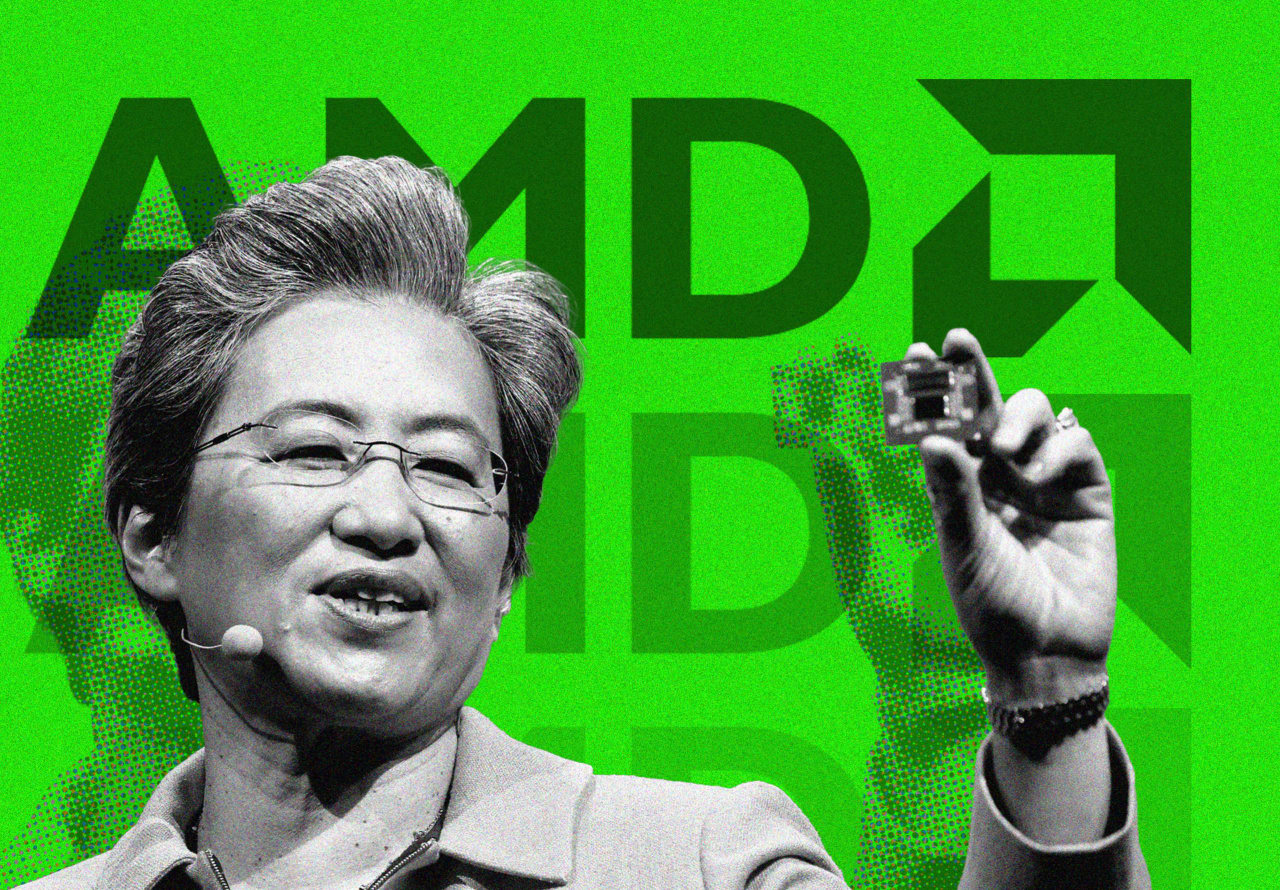
AMD reported record-breaking data-center revenue and issued a strong fourth-quarter forecast, signaling robust AI demand. This performance helped soothe investor anxiety regarding the sustainability of the AI chip market.
AMD's Strategic Ascent in the AI Semiconductor Market
Advanced Micro Devices (AMD) has recently signaled a pivotal shift in the artificial intelligence landscape, reporting record data-center revenue and issuing a fourth-quarter forecast that exceeds Wall Street expectations. By projecting $17 billion in revenue for the upcoming quarter, AMD has effectively validated the "AI trade," proving that demand for high-performance computing hardware remains resilient despite growing investor skepticism regarding the massive capital expenditures required for AI infrastructure.
Challenging the Competitive Landscape
For years, Nvidia has maintained a near-monopolistic grip on the AI chip market, leaving competitors scrambling to capture market share. AMD’s recent performance, driven by its aggressive, multibillion-dollar investment strategy, suggests that the duopoly or oligopoly in the AI hardware space is beginning to stabilize. By demonstrating "real" revenue streams from its AI portfolio, AMD is successfully distancing itself from the narrative of speculative bubble growth, offering a tangible alternative to Nvidia’s flagship products.
Market Sentiment and Investor Relief
The broader technology sector has experienced significant volatility, largely fueled by concerns over the sheer cost of AI buildouts and tepid outlooks from industry peers like Intel. When Intel provided a weak forecast, it cast a shadow over the entire semiconductor industry. However, AMD’s robust guidance served as a critical circuit breaker, helping to stabilize the market and triggering an 8% jump in its own share price, while simultaneously lifting the fortunes of other key players like Broadcom and Micron.
The Macroeconomic and Regulatory Environment
While the semiconductor sector remains focused on technical output and demand, it does not operate in a vacuum. Recent market activity was tempered by the backdrop of U.S. political shifts, specifically the midterm elections. Investors have begun to weigh the potential for increased AI regulation, which could emerge if political shifts favor specific legislative agendas. Despite this, the tech-heavy Nasdaq managed to post gains, suggesting that fundamental corporate performance—like that of AMD—currently outweighs geopolitical and regulatory anxieties.
Contrasting Performance in Big Tech
Not every tech giant shared in this optimism. Apple, for instance, saw its shares drop due to margin concerns stemming from the rising costs of memory chips, highlighting the disparate impact of the AI supply chain on different sectors of the economy. While chipmakers are currently enjoying the windfall of record demand, downstream hardware companies are facing the harsh reality of increased component costs, creating a complex web of winners and losers within the tech sector.
Future Outlook and Strategic Sustainability
Looking ahead, AMD’s ability to sustain this momentum will depend on its capacity to scale production to meet demand without sacrificing margins. The market’s positive reaction to AMD’s forecast indicates that investors are shifting their focus from simple "AI buzz" to verified earnings growth. As the industry moves into the next fiscal period, the focus will remain on whether these companies can continue to translate massive R&D spending into consistent, record-breaking revenue, effectively proving the long-term viability of the AI investment cycle.
Multiple Citing Sources
Verification Required?