Celebrity loses injunction bid but will stay anonymous pending appeal
Source Entity
BBC News
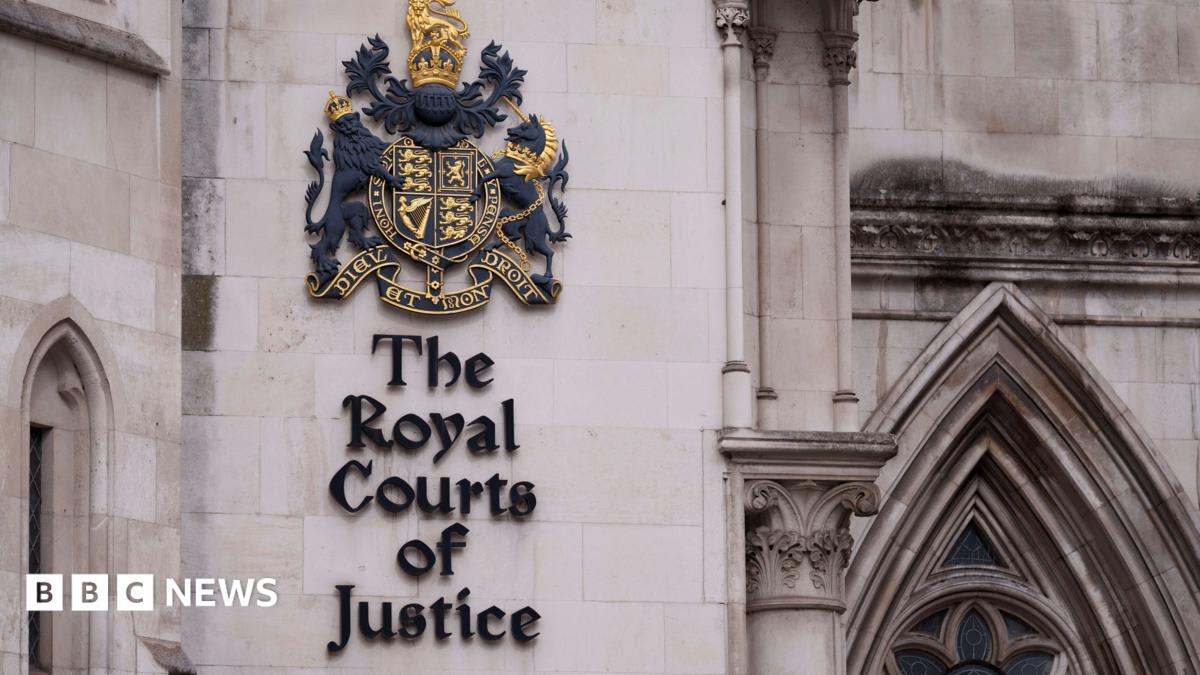
A celebrity has failed to secure a permanent injunction to suppress allegations of sexual misconduct. However, the High Court has granted a temporary stay on reporting, keeping his identity protected while he pursues an appeal.
The High Court Ruling on Celebrity Anonymity
A recent High Court judgment has brought the complex intersection of privacy rights and public interest reporting to the forefront of legal discourse. A celebrity, who remains unnamed, sought a permanent injunction to suppress his identity in relation to serious allegations of sexual misconduct. The court’s decision to deny this request marks a significant moment for media outlets, particularly ITN and The Guardian, which have contended that the public interest in these allegations outweighs the individual's desire for privacy.
The Legal Balance: Privacy vs. Public Interest
The central tension in this case lies in the judicial assessment of whether the claimant’s right to privacy, protected under Article 8 of the European Convention on Human Rights, overrides the media's right to freedom of expression under Article 10. The court's refusal to grant a permanent injunction suggests that, in the judge's view, the public interest in investigating claims of abuse of status to engage in inappropriate sexual activities is a compelling factor that courts must weigh heavily against the potential reputational damage to the claimant.
The Role of Investigative Journalism
ITN and The Guardian have argued that the allegations involve a pattern of behavior where the celebrity allegedly used his professional status to target young women and girls. This assertion of a potential power imbalance is a cornerstone of modern investigative journalism. By seeking to publish these details, these news organizations are positioning themselves as a check on institutional and individual power, arguing that transparency is necessary to protect the public and potentially uncover further evidence of wrongdoing.
The Mechanism of the Stayed Injunction
Despite the initial loss, the celebrity has been granted a temporary reprieve. Mr. Justice Nicklin ordered that the current reporting restrictions remain in place while the claimant explores an appeal. This legal maneuver is designed to prevent 'irreparable harm'—the idea that if the name were published now, a successful subsequent appeal would be rendered moot because the damage to the individual's privacy could not be undone. This procedural safeguard ensures that the right to appeal remains a viable and meaningful legal instrument.
Broader Implications for Media Law
This case serves as a reminder of the evolving landscape of privacy law in the UK. Historically, courts have been cautious about granting 'super-injunctions' or permanent anonymity for high-profile figures, especially when the allegations relate to sexual misconduct. The outcome of the eventual appeal will likely set a precedent for how future cases involving similar allegations are handled, particularly regarding the threshold of evidence required for the media to bypass privacy claims in the name of the public interest.
A Future of Scrutiny
As the legal process continues, the case highlights the growing expectation for accountability among those in positions of celebrity and influence. Whether the appeal is successful or the anonymity order is eventually lifted, the legal battle underscores a broader societal shift toward prioritizing the investigation of sexual misconduct over the traditional protections afforded to public figures. The resolution of this case will undoubtedly be closely watched by legal experts and media organizations alike.