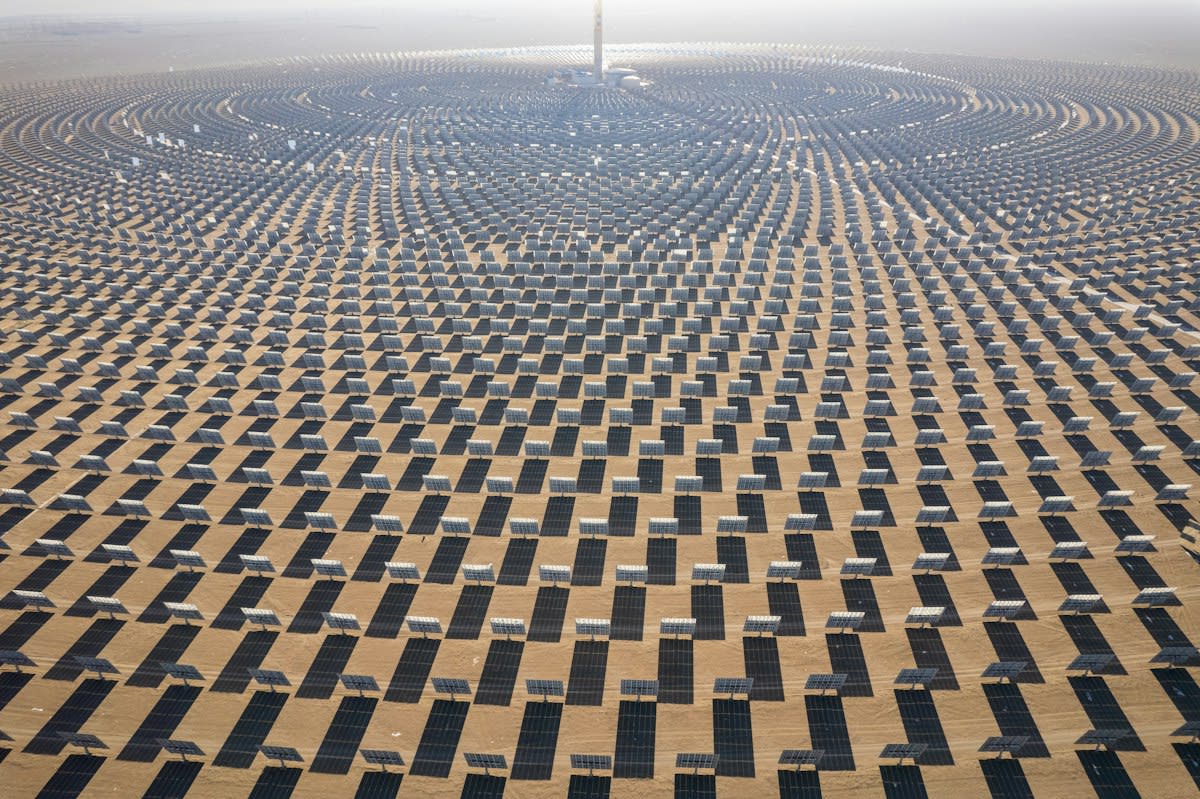
The industry loves to talk about compute as the ultimate currency of the AI era. We obsess over H100 allocations and token costs. But this is a distraction. The real constraint isn't the silicon; it is the socket. We are witnessing a collision between the infinite appetite of large language models and the finite capacity of the physical grid. The assumption that we can simply build our way out of this with more data centers is failing. Power is the new hard limit.
India's Ghost GPUs and the Transmission Friction
India provides a stark warning about the gap between policy ambition and mechanical reality. In 2024, the government launched the IndiaAI Mission, a $1 billion program designed to subsidize compute for startups. Fast forward to 2026, and the result is a graveyard of idle hardware. Nearly 80% of these GPUs reportedly sit unused, even with prices slashed to 40% below market rates (Source: Rhodium Group, 2026). Why? Because having a chip is meaningless if you cannot feed it stable power.
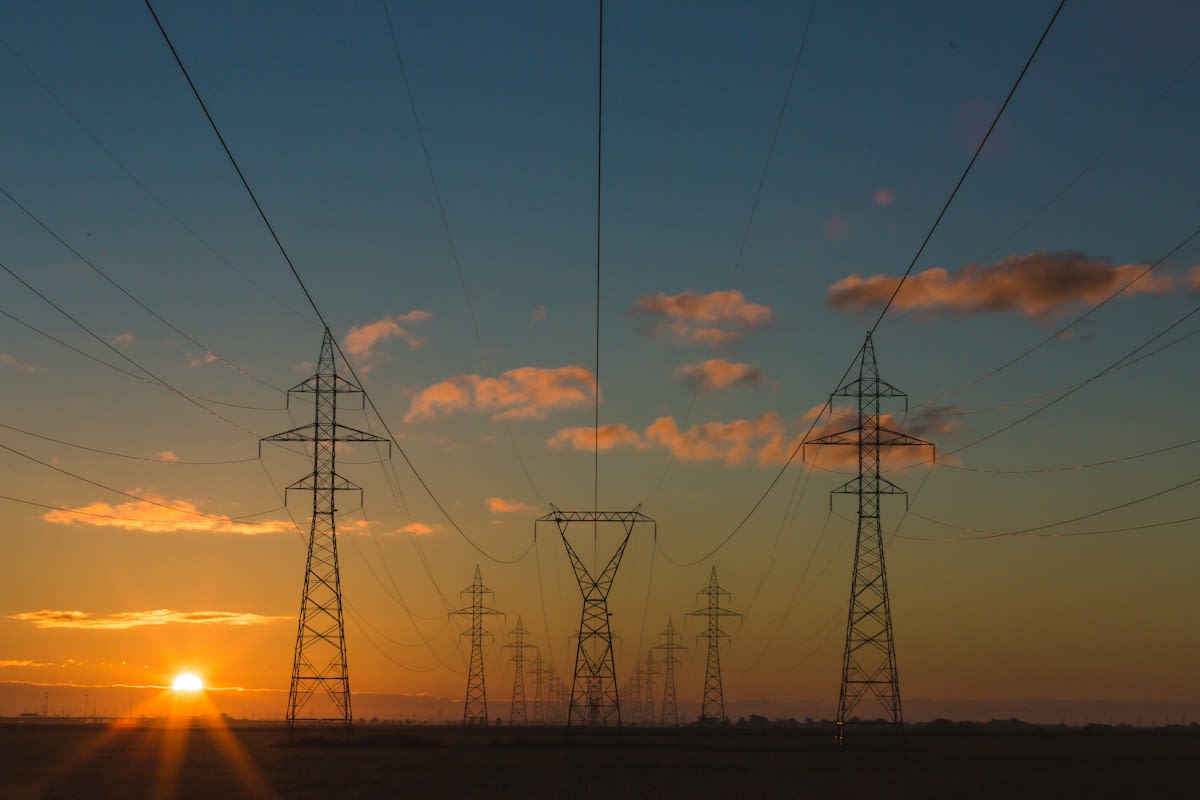
The friction is found in the wires. India has made massive gains in solar energy, yet the grid cannot move that power from the sunny plains to the data hubs. In the second quarter of 2026, India curtailed over 8,100 GWh—roughly 11%—of its solar generation simply because the grid lacked the capacity to carry it (Source: Rhodium Group, 2026). It is a brutal irony. The energy exists, but the delivery mechanism is broken. This mismatch turns high-tech campuses into expensive monuments to inefficiency.
The Great Energy Migration
Hyperscalers are no longer looking for the cheapest land; they are hunting for the most reliable electrons. This is driving a geographic shift toward regions with untapped energy surpluses. Look at Brazil. In 2024, Microsoft committed $2.7 billion to expand its AI footprint in São Paulo, specifically anchoring its operations with a fifteen-year wind power agreement (Source: Council on Foreign Relations, 2026). They aren't just buying cloud space; they are securing a decade and a half of wind.
This trend signals a hard turn in corporate strategy. The cloud is no longer an abstract layer of software. It is an industrial operation. The move toward the Americas is a strategic hedge against the grid instability of the Global North and the transmission failures in Asia. The goal is simple: find a place where the power runway is long enough to support gigawatt-scale clusters without triggering a regional blackout.
The Execution Gap and the Rise of Neoclouds
While the Big Four—Microsoft, Meta, Alphabet, and Amazon—continue to dominate, a new class of 'neoclouds' is entering the fray. The scale is staggering. BNEF expects non-hyperscaler capacity to reach 138 gigawatts by 2035, dwarfing the 57 gigawatts projected for the major hyperscalers combined (Source: WWT, 2026). This represents a massive decentralization of compute. But there is a catch: most of these new players have no idea how to build a power plant.
Of the 100 largest announced U.S. projects, 52 are being led by companies that have never built a data center (Source: WWT, 2026). These novice operators account for 87 gigawatts of planned capacity. This creates a dangerous execution risk. Building a server rack is easy. Coordinating a state-certified AI microgrid—like the Monarch campus in West Virginia with its 8-gigawatt runway—is an entirely different beast. The industry is seeing a collision between venture-backed optimism and the stubborn laws of electrical engineering.
"AI data centers need power systems that coordinate renewable energy, energy storage, and the grid to meet computing demand."— Kevin Huang, Senior Vice President of Envision Energy
The Invisible War: Voltage and Frequency
To the outside observer, a data center is a static block of power. To a practitioner, it is a volatile storm. Internal industry debates are currently centered on 'workload profiles.' AI agents don't consume power linearly; they spike. Testing shows electrical demand fluctuating between 50% and 90% of available capacity in short bursts (Source: Data Center Frontier, 2026). This volatility can destabilize a regional grid, leading to frequency drops that threaten other customers.
The current battleground is 'grid-forming' battery energy storage systems. The goal is to use batteries to establish voltage and frequency, keeping the generator load as constant as possible to avoid mechanical failure (Source: Data Center Frontier, 2026). This is the invisible friction of the AI boom. If you cannot smooth out the power spikes, the utility company will simply shut you down to save the rest of the city. The technical challenge has shifted from cooling the chips to stabilizing the current.
Europe's Hard Turn Toward Nuclear
Europe is hitting a power bottleneck that threatens its long-term competitiveness. While the continent has aggressive climate goals, the grid constraints are preventing access to clean power at the scale AI requires (Source: Data Center Dynamics, 2026). This is forcing a pragmatic, if uncomfortable, override of green mandates. Operators are increasingly looking toward gas and nuclear power to fill the gap. The 'green AI' dream is colliding with the necessity of 24/7 baseload power.
Solving for the Kilowatt
Some are attempting to bypass the grid entirely. Envision Energy's Galaxy campus, which began operations in August 2026, uses an integrated 800V DC SST-based power system (Source: Yahoo Finance, 2026). By connecting renewable energy directly to the compute load via DC, they eliminate the energy loss of multiple AC/DC conversions. With a planned 3GW capacity, this is a blueprint for the 'off-grid' AI campus.
This is the edge of the trend: the Mission Gobi initiative. The goal is 5GW of green AI capacity in desert regions by 2030 (Source: Yahoo Finance, 2026). By placing the compute where the energy is generated, the industry is effectively admitting that the existing global grid is obsolete. The future of the cloud isn't in the city; it's in the desert.
Fact-Check & Accuracy Note
This report relies on data from Rhodium Group, BNEF, and 7x24 Exchange. A key area of ongoing professional debate is the viability of 'grid-forming' batteries versus traditional synchronous condensers for frequency stability. While Envision Energy claims success with 800V DC systems, the scalability of this architecture across diverse terrains remains an open question among electrical engineers.
Editorial Note
Editorial Note: This analysis avoids the common 'AI crisis' narrative. Instead, it frames the energy bottleneck as an opportunity for industrial innovation and a catalyst for the modernization of global energy infrastructure.