Ghalibaf repeats 'no geographical limits' warning hours after 80,000 UAVs & 1,700 missiles spook US?
Source Entity
Latest News: Todays Latest News Headlines from India & World | Hindustan Times
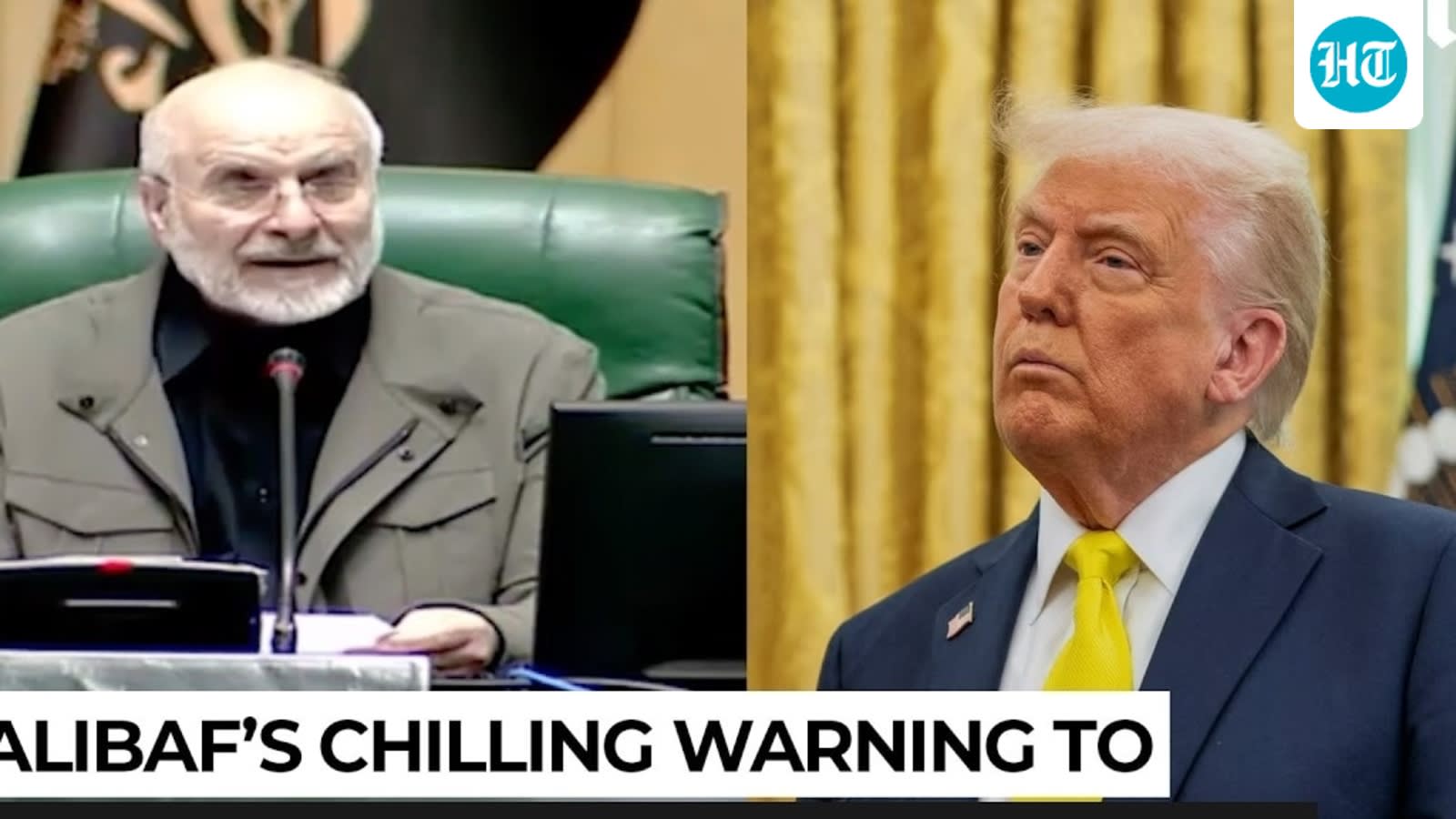
Iranian Parliament Speaker Mohammad Bagher Ghalibaf has issued a stern warning to the United States, threatening an unpredictable, cross-border response to any future military aggression. This escalation follows reports of high-scale military maneuvers, signaling a deepening tension between Tehran, Washington, and Israel.
Tensions Escalate: Iran’s Strategic Warning to the US
Recent statements from Iranian Parliament Speaker Mohammad Bagher Ghalibaf have brought the geopolitical standoff between Tehran and Washington back into sharp focus. By explicitly warning the United States against further military interventions, Ghalibaf has signaled a shift in Iran’s defensive posture, moving from traditional deterrence to an explicit threat of a "new battlefield" that transcends conventional geographical limitations. This rhetoric follows reports of significant military activity, including the deployment of a massive fleet of UAVs and missiles, which has heightened concerns regarding regional stability.
The Doctrine of 'No Geographical Limits'
At the heart of Ghalibaf’s warning is the declaration that Iran’s retaliation will not be constrained by traditional territorial boundaries. This strategic ambiguity is designed to complicate the calculus for both the United States and Israel. By refusing to limit the scope of a potential response, Tehran is attempting to deter preemptive strikes by ensuring that any military engagement with Iran could have far-reaching, unpredictable consequences that extend well beyond the immediate theater of conflict.
Assessing Military Readiness and Resistance
Speaker Ghalibaf emphasized that Iran’s armed forces are currently at their highest level of readiness. This assertion serves as both a domestic rallying cry and an external signal of the country's military capabilities. By framing these developments as a defense of national independence against the perceived interference of Washington and Israel, the Iranian leadership seeks to solidify its position of resistance. The claim that previous military campaigns have failed to weaken Iran suggests a belief in the resilience of their current military and political infrastructure.
Geopolitical Implications and Regional Security
The mention of 80,000 UAVs and 1,700 missiles underscores the sheer scale of the military posturing currently underway. Such figures, if accurate, represent a significant evolution in asymmetric warfare capabilities. For regional actors, these developments suggest that the potential for a localized skirmish to escalate into a broader, multi-front conflict is higher than ever. The international community remains wary, as any miscalculation in this volatile environment could trigger a response that alters the regional balance of power.
Future Trends and Diplomatic Hurdles
Looking forward, the rhetoric from Tehran suggests that the path toward de-escalation remains narrow. As Ghalibaf continues to frame the U.S.-Israel alliance as a threat to Iranian sovereignty, the likelihood of diplomatic breakthroughs appears to diminish. Future trends will likely involve increased surveillance, cyber-posturing, and heightened alert levels across the Middle East. Observers should monitor whether this 'no limits' policy remains purely rhetorical or if it marks a definitive shift in Iran’s operational doctrine regarding its regional military engagements.
Conclusion: A Volatile Standoff
In summary, the warnings issued by Mohammad Bagher Ghalibaf represent a significant escalation in the ongoing friction between Iran and its Western and regional adversaries. By threatening an unpredictable response and emphasizing military readiness, Tehran is clearly attempting to reset the rules of engagement. Whether this posture will succeed in deterring further military pressure or instead lead to a more dangerous cycle of confrontation remains the central question for regional security in the coming months.
Verification Required?