Israel election results: Opposition backs Eisenkot to oust Netanyahu, remains split over Arab parties
Source Entity
The Indian Express
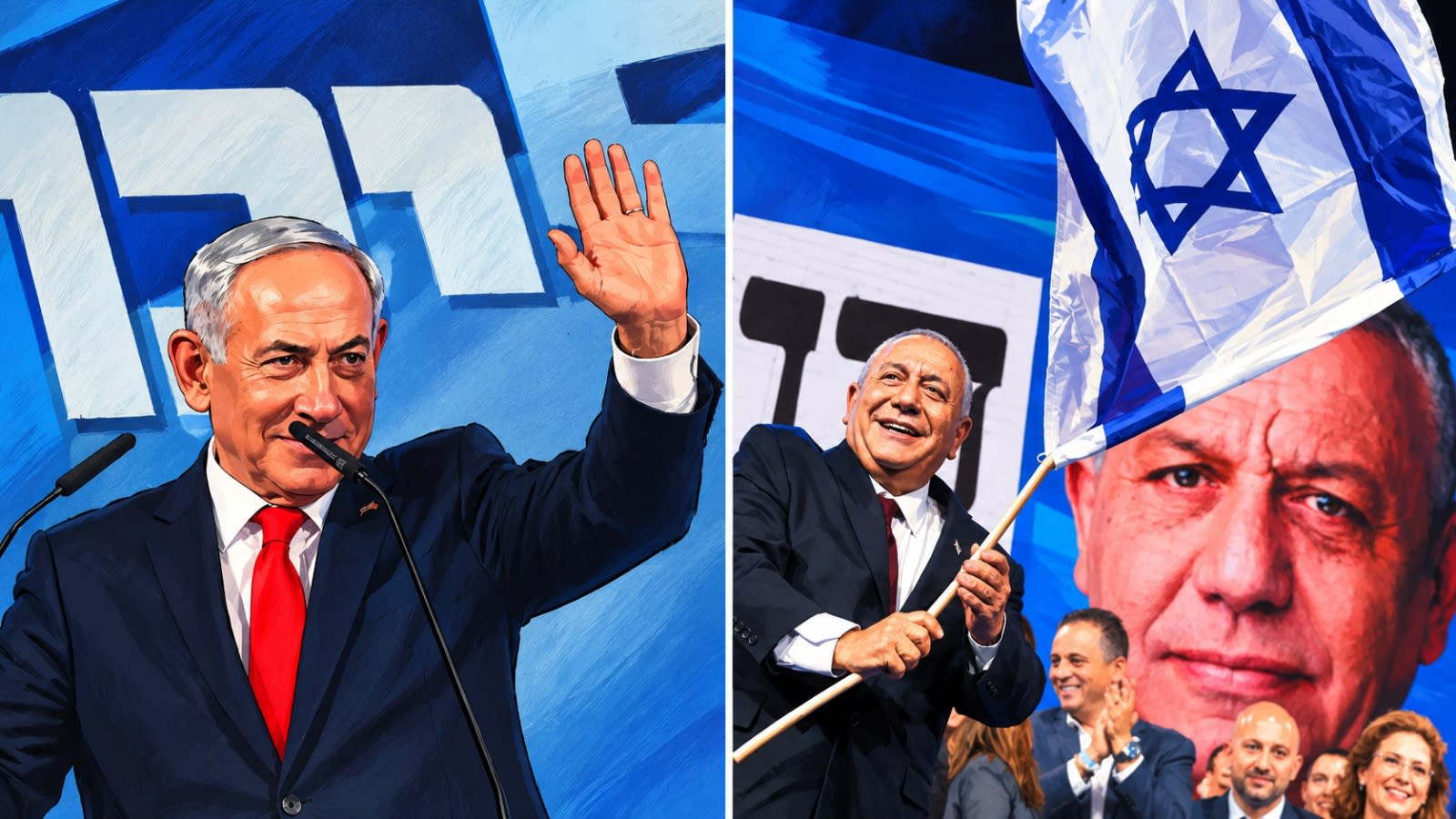
Israel faces a political deadlock following the 2026 general election, with neither Benjamin Netanyahu nor Gadi Eisenkot securing a parliamentary majority. The formation of a new government remains uncertain as parties debate coalition possibilities, including unity or minority governments.
The 2026 Israeli Political Impasse: An Overview
The 2026 Israeli general election has culminated in a significant parliamentary stalemate, leaving the nation in a state of political flux. With the results producing a hung parliament, neither the bloc led by incumbent Prime Minister Benjamin Netanyahu nor the coalition headed by opposition leader and former military chief Gadi Eisenkot has managed to cross the critical threshold required for a governing majority. This gridlock reflects the deep-seated polarization within the Israeli electorate and the intricate, fragmented nature of the Knesset.
The Arithmetic of Power
At the center of this deadlock is the performance of the Likud party, which, despite the lack of a clear majority, remains the single largest force in the legislature with 27 seats. Benjamin Netanyahu has leveraged this position to advocate for a "broad national government" under his leadership. However, his vision for this coalition explicitly excludes Arab-led parties, a stance that complicates the path to the 61-seat majority needed to form a stable administration.
The Role of Arab-Led Factions
Adding a layer of complexity to the negotiations is the role of Arab-led parties, specifically the Joint List and Ra’am. These factions collectively secured 19 seats, effectively positioning themselves as the potential kingmakers of the Knesset. Despite their numerical significance, the path to a coalition involving these parties is fraught with ideological friction. Gadi Eisenkot and other prominent opposition figures have previously signaled a refusal to integrate these parties into their governing plans, narrowing the available options for a functional majority.
Potential Governing Arrangements
As the political maneuvering intensifies, various governing models are being scrutinized. These include the formation of a national unity government, which would necessitate an unprecedented compromise between rival ideological factions, or the establishment of a minority government that relies on external support from smaller parties. Both scenarios present significant risks to governmental longevity and policy consistency, as minority governments in Israel are historically susceptible to sudden collapses triggered by motions of no-confidence.
Future Trends and Stability
Looking ahead, the inability of either major bloc to secure a clear mandate suggests a period of protracted instability. If Netanyahu and Eisenkot remain unable to bridge the divide, the country faces the prospect of further political volatility or, eventually, the possibility of recurring elections. The outcome of these negotiations will not only define the immediate future of the Israeli executive branch but will also shape the long-term political alliances within the Knesset, as parties weigh the costs of ideological purity against the practical necessity of governance.
Conclusion
The current political landscape in Israel is defined by a precarious balance of power. With the Likud party holding the plurality but lacking a majority, the nation remains at a crossroads. Whether a breakthrough emerges through a unity coalition or if the deadlock persists, the 2026 election results underscore the challenges of building a consensus-based government in a highly divided parliamentary system.
Multiple Citing Sources