Ahead of Diwali, Jamghat: Crackdown fails to cut supply, banned manjha available freely
Source Entity
Latest News: Todays Latest News Headlines from India & World | Hindustan Times
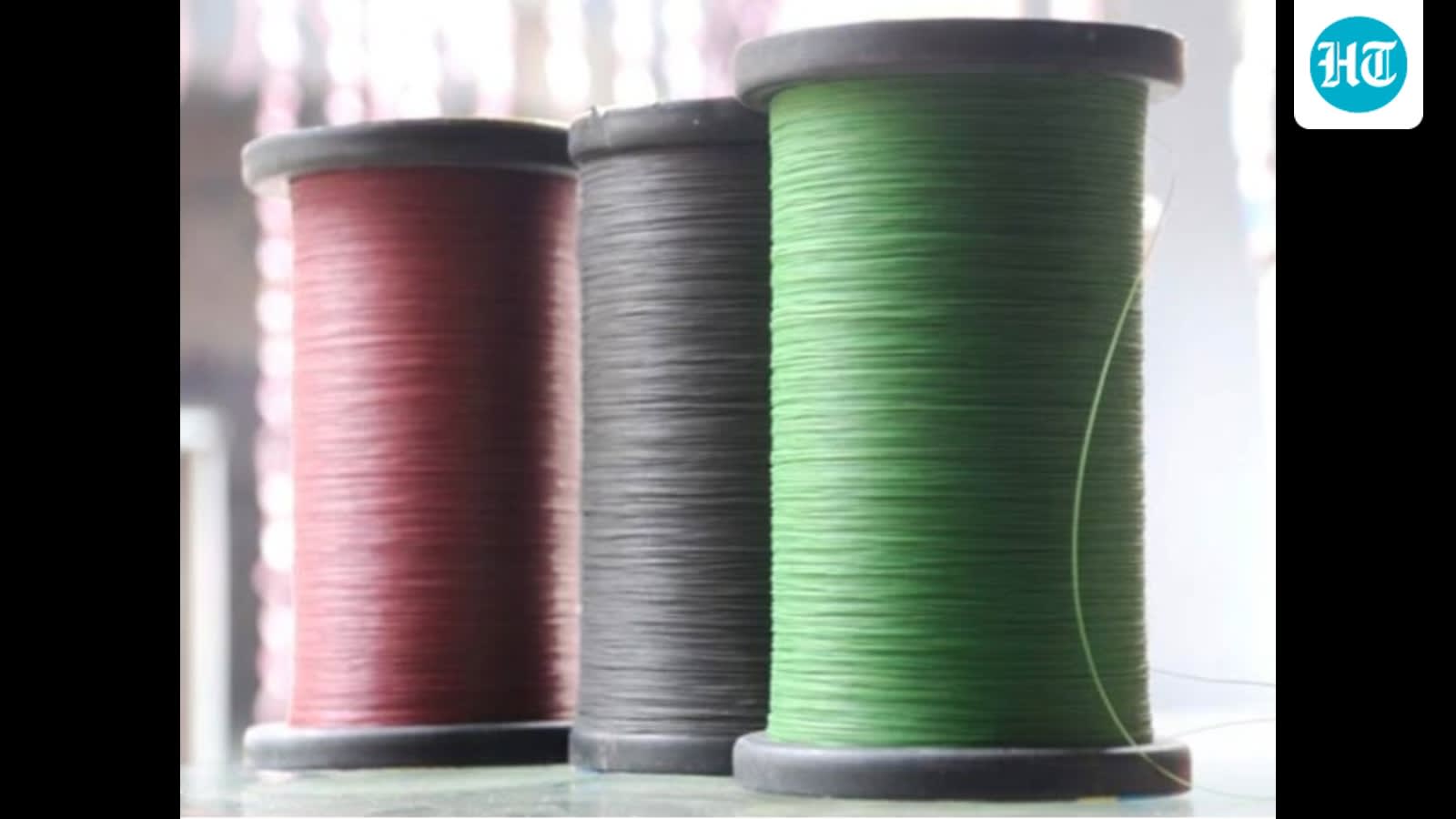
Despite bans and enforcement efforts, illicit synthetic manjha remains widely available in Lucknow markets ahead of Diwali. Authorities face ongoing challenges as vendors hide stock to circumvent regulations following several fatal accidents.
The Persistence of Banned Manjha in Lucknow Markets
As the city of Lucknow prepares for the festivities of Diwali and the subsequent celebration of Jamghat, a persistent public safety issue has resurfaced: the illegal sale of synthetic manjha. Despite explicit judicial mandates and enforcement actions by local authorities, the razor-sharp, glass-coated, or nylon-based kite string remains readily available across various markets. This ongoing defiance of the law highlights a significant gap between administrative policy and ground-level implementation, posing a continued threat to public safety.
Judicial Intervention vs. Market Reality
The High Court has repeatedly flagged the issue, noting the easy availability of the banned string despite multiple FIRs and arrests linked to its use. The most recent judicial observation, issued just this past Monday, underscored the failure of current enforcement strategies to curb the supply chain. While digital platforms have seen a decrease in trade, the offline market has adapted, with shopkeepers now employing covert methods—such as hiding stock and only producing it upon direct customer request—to continue their illicit operations.
The Human Cost of Illegal Kite Flying
The urgency of this crackdown is rooted in tragic history. Over the past eight months alone, the city has witnessed the death of a 33-year-old man, a fatality directly attributed to the lethal nature of synthetic manjha. Beyond this loss of life, there have been over 20 recorded incidents of severe injuries, prompting a series of police interventions. The persistence of the trade despite these documented tragedies illustrates the difficulty of regulating a product that is deeply ingrained in regional festive traditions.
The Mechanics of an Underground Supply Chain
Investigations in areas like Buland Bagh and Hussainganj have confirmed that the product is not merely a fringe item but is being sold with aggressive commercial incentives. Shopkeepers are reportedly offering bulk discounts, indicating a structured and resilient supply chain that remains unaffected by sporadic police raids. By keeping the synthetic string out of sight, vendors are effectively neutralizing the deterrent effect of traditional enforcement, turning the sale into an 'on-demand' transaction that is difficult for authorities to monitor.
Future Trends and Enforcement Challenges
Moving forward, the situation in Lucknow serves as a case study for the complexities of enforcing bans on hazardous consumer goods. The transition from open displays to covert, on-demand sales suggests that without a more sophisticated approach—potentially involving supply chain disruption at the manufacturing level rather than just the retail level—the problem is likely to persist through future festive seasons. The challenge for local governance lies in bridging the gap between the High Court's directives and the practical inability of enforcement agencies to penetrate these clandestine retail networks.
Verification Required?