Manufactured distrust in institutions doesn’t work in India
Source Entity
Vinay Sahasrabuddhe
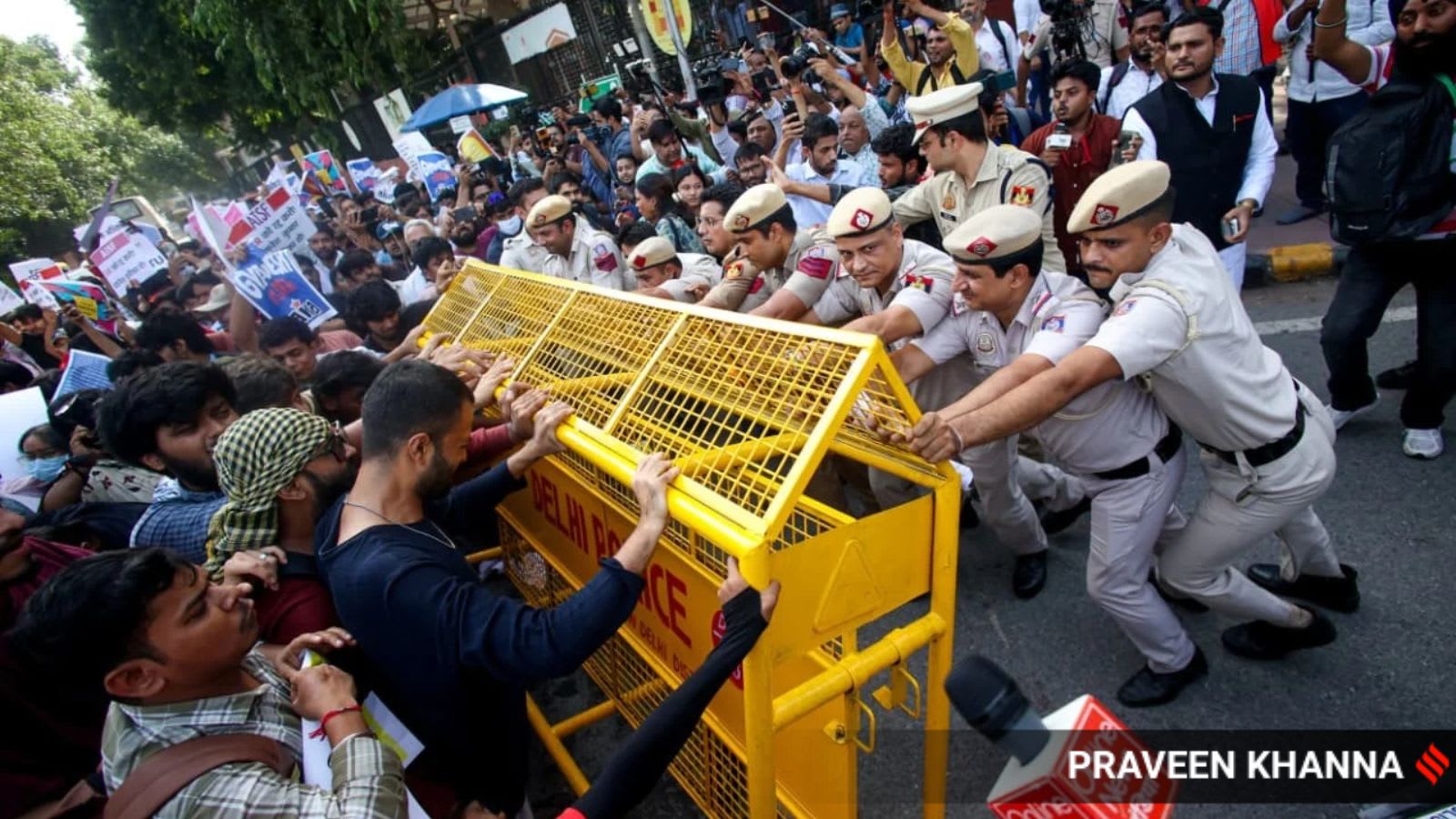
Global trends of Gen Z-led uprisings are facing waning momentum as initial enthusiasm meets practical limitations. In India, the narrative of using youth-led movements to challenge institutions has largely failed to gain traction.
The Myth of the Global Gen Z Uprising
Across the globe, a recurring political narrative has emerged: the belief that Generation Z, characterized by its digital fluency and social activism, acts as a monolithic force capable of dismantling established political structures. Opposition groups in various nations have frequently attempted to leverage this demographic, hoping that youth-led street movements might achieve what traditional political maneuvering could not. However, the reality of these uprisings has proven far more complex and often less effective than the initial hype suggested.
The Global Disconnect
Evidence from diverse political landscapes—including Albania, Bangladesh, Morocco, France, and Madagascar—reveals a lack of uniformity in these movements. While some Gen Z agitators have managed to strike a chord with the public, they have largely failed to translate this emotional resonance into substantial policy change or long-term governance strategies. The lack of a cohesive, experienced leadership structure often leaves these movements vulnerable to fragmentation, causing the initial excitement to dissipate as the practical difficulties of governance and institutional reform become apparent.
The Failure of 'Piggyback' Politics
A critical observation is the tendency for established political entities to 'ride piggyback' on youth movements to settle personal or ideological scores with their respective establishments. By co-opting the energy of young protesters, these opportunistic groups often strip the movements of their organic legitimacy. This manipulation is frequently detected by the public, further undermining the credibility of the protests and reinforcing the resilience of the institutions being challenged.
Challenges of Inexperience
While Gen Z organizers are often noted for their creative talent and ability to mobilize via digital platforms, they frequently struggle with the complexities of real-world political negotiation. The analysis suggests that these organizers appear largely confused when faced with the procedural inertia of state institutions. Inexperience, while a hallmark of any new political force, becomes a liability when the movement lacks a clear, actionable agenda beyond mere opposition, leading to a disconnect between the fervor of the street and the requirements of administrative reform.
The Indian Context
India serves as a notable case study where this trend of manufactured distrust in institutions has struggled to find a foothold. Unlike contexts where systemic fragility allows for sudden, youth-driven upheavals, India’s institutional framework remains largely resistant to the brand of 'uprising' politics promoted by opposition factions. The waning hype surrounding these movements globally is echoed in India, where the attempt to frame Gen Z as a political panacea has failed to yield the desired disruption, suggesting that voters prioritize stability and institutional efficacy over performative dissent.
Future Trends and Conclusion
Moving forward, it is likely that the 'Gen Z uprising' model will continue to decline in utility for political opposition groups. As the novelty of these movements fades, the focus will likely shift back toward traditional political engagement and institutional building. The failure of these movements to bring anything substantial to the table serves as a stark reminder that digital-first activism cannot easily substitute for the slow, methodical work of political consensus-building. Ultimately, the resilience of institutions in the face of these localized uprisings highlights a global return to pragmatic, rather than reactionary, political engagement.