Former Mossad officer helped Flávio Bolsonaro flee Brazil: Report
Source Entity
PRISHA PATNAIK
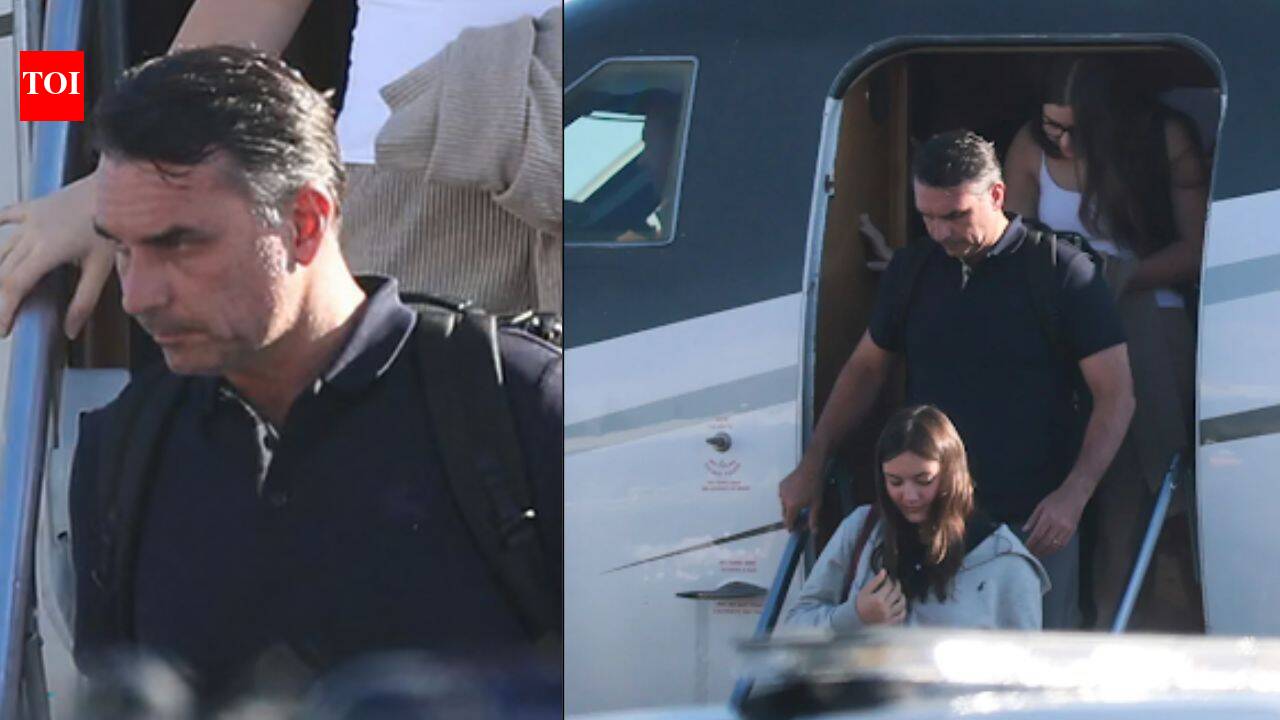
Former Brazilian leader Flávio Bolsonaro has relocated to the United States following his election loss to Lula da Silva. While Donald Trump has publicly welcomed his extended stay, the administration denies facilitating the departure.
The Departure of Flávio Bolsonaro: Geopolitical Ripples
The recent departure of Flávio Bolsonaro from Brazil to the United States following his electoral defeat to President Luiz Inácio Lula da Silva has ignited significant political discourse. This migration, occurring in the shadow of a highly contested election, has drawn both the scrutiny of international observers and the vocal support of former U.S. President Donald Trump. The move represents a notable intersection of Latin American political volatility and U.S. foreign policy rhetoric.
Trump’s Rhetorical Support and Political Alignment
Speaking from his Mar-a-Lago residence, Donald Trump publicly characterized the treatment of Bolsonaro in Brazil as "shabbily" handled, labeling the election results themselves as a "disgrace." By extending an open invitation for Bolsonaro to remain in the United States indefinitely, Trump has underscored his ideological alignment with the former Brazilian leader. This public stance serves to reinforce the narrative of a shared populist struggle against perceived institutional bias, further polarising the discourse surrounding the transition of power in Brazil.
Disputing Claims of Facilitation
Amidst the controversy, U.S. Secretary of State Marco Rubio has explicitly denied that the administration played any role in facilitating Bolsonaro’s relocation. Addressing reporters at a G20 summit, Rubio clarified that Bolsonaro arrived in Miami utilizing a previously held visa. By distancing the U.S. government from the logistics of the move, the State Department seeks to avoid the perception of direct intervention in the internal political affairs of a sovereign nation, maintaining that the departure was a personal decision by the Bolsonaro family.
The Role of Private Actors and Intelligence Networks
Reports have surfaced suggesting that the operation to relocate the Bolsonaro family involved a complex network of private actors, including a former Mossad officer. These allegations imply a sophisticated level of coordination that transcends standard diplomatic channels. Such reports, if accurate, highlight the role that private security and intelligence-linked figures play in the movement of high-profile political figures during times of domestic instability, raising questions about the intersection of private influence and global security.
Broader Regional Implications
Bolsonaro’s exit marks a significant shift in the Latin American political landscape, which had recently seen a wave of conservative electoral outcomes. His defeat to Lula da Silva and subsequent flight to Florida reflects the deep-seated divisions within Brazilian society. As Brazil navigates this transition, the presence of its former leader on American soil remains a point of diplomatic sensitivity, illustrating how domestic political disputes in one nation can quickly manifest as international diplomatic challenges.
Conclusion and Future Outlook
As the situation develops, the focus will likely remain on whether Bolsonaro’s stay in the U.S. evolves into a more permanent political exile or a temporary respite. The involvement of diverse actors in his departure—from Trump’s inner circle to international security professionals—suggests that this event is far more than a simple travel arrangement. The international community will continue to monitor how this situation influences future U.S.-Brazil relations and the broader stability of the region.
Multiple Citing Sources