'Truly Evil, A Real-Life Bond Villain': An Ex-PM Describes Vladimir Putin
Source Entity
NDTV News Search Records Found 1000
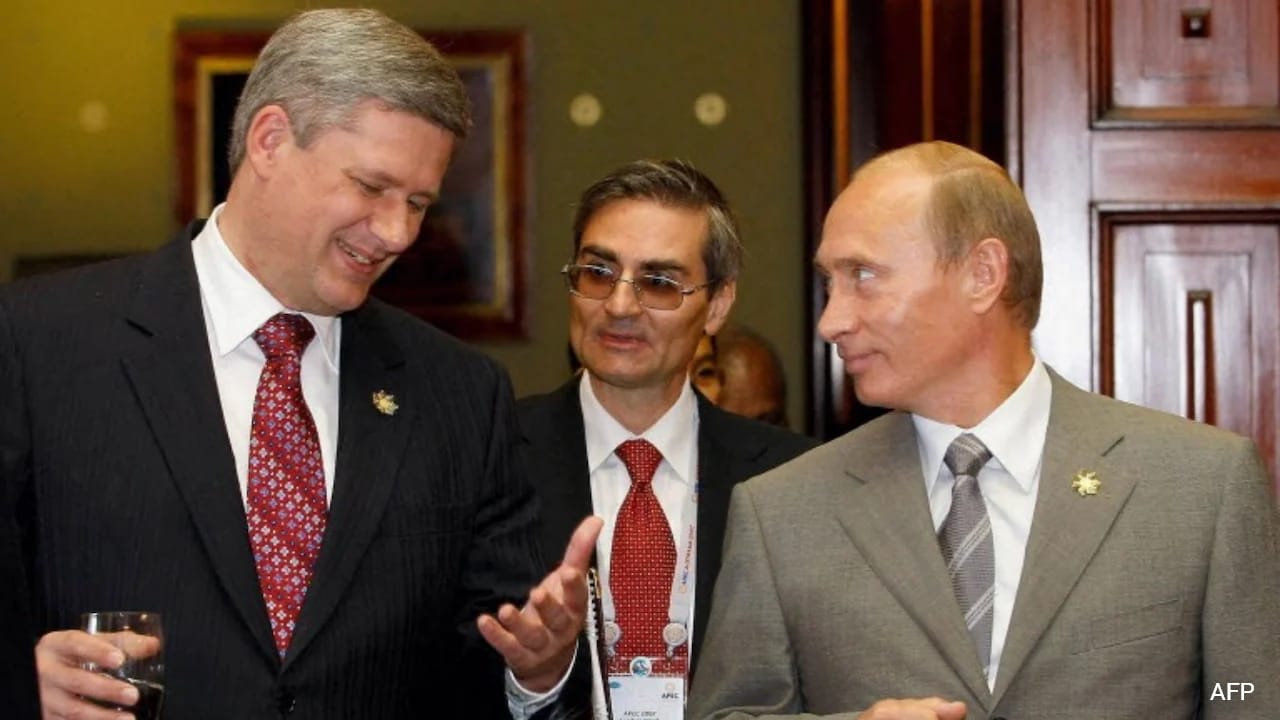
Former Canadian Prime Minister Stephen Harper has publicly labeled Vladimir Putin a 'real-life Bond villain.' This characterization follows their 2014 confrontation regarding the Russian occupation of Ukraine.
The Confrontation: Stephen Harper and Vladimir Putin
Former Canadian Prime Minister Stephen Harper has recently provided a scathing assessment of Russian President Vladimir Putin, labeling him a "real-life Bond villain." This harsh characterization stems from a pivotal moment in international diplomacy during the 2014 G8 summit, where Harper confronted the Russian leader directly regarding the escalating crisis in Ukraine. The exchange, which has become a focal point of historical record, highlights the early fractures between Russia and the West that preceded the full-scale conflict observed today.
The 2014 Ultimatum
During their meeting in 2014, the core of the diplomatic tension centered on Harper’s clear and direct demand that Putin "get out of Ukraine." This message was delivered in the wake of the annexation of Crimea, an act that prompted global condemnation and signaled a significant shift in Russian foreign policy. Harper’s blunt approach stood in contrast to more traditional diplomatic niceties, positioning Canada as an early, vocal critic of Russian expansionism on the global stage.
Analyzing the 'Bond Villain' Label
Comparing a head of state to a fictional antagonist is a rare departure from standard political discourse. By invoking the archetype of a "Bond villain," Harper is characterizing Putin not merely as an ideological opponent, but as an individual motivated by a desire for global disruption and power projection that mirrors the cinematic tropes of classic spy fiction. This rhetoric serves to simplify the complex geopolitical tensions of 2014 into a moral binary, emphasizing the perceived lack of adherence to international norms by the Kremlin.
Historical Context of the Ukraine Crisis
The 2014 confrontation serves as a critical historical anchor for current geopolitical realities. When Harper demanded that Putin leave Ukraine, he was addressing the initial phase of a conflict that would eventually evolve into a protracted, multi-year struggle. This moment underscores how early warnings from Western leaders were met with defiance by the Russian administration, setting a precedent for the strained relations that define current international security architectures.
Broader Implications and Future Trends
Reflecting on this 2014 exchange allows analysts to better understand the current trajectory of Western-Russian relations. The persistence of these tensions suggests that the fundamental disagreements regarding sovereignty and territorial integrity, which were clear even a decade ago, remain the primary obstacles to diplomatic resolution. As leaders continue to reflect on these past interactions, the narrative of the "Bond villain" frames the conflict as an enduring struggle against authoritarian revisionism, likely influencing how future international policy is crafted in response to Russian aggression.
Verification Required?