Delhi BS-VI curbs Day 1: 714 vehicles turned back, 38 end-of-life vehicles impounded
Source Entity
Alok Singh, Drishti Jain, Pragynesh
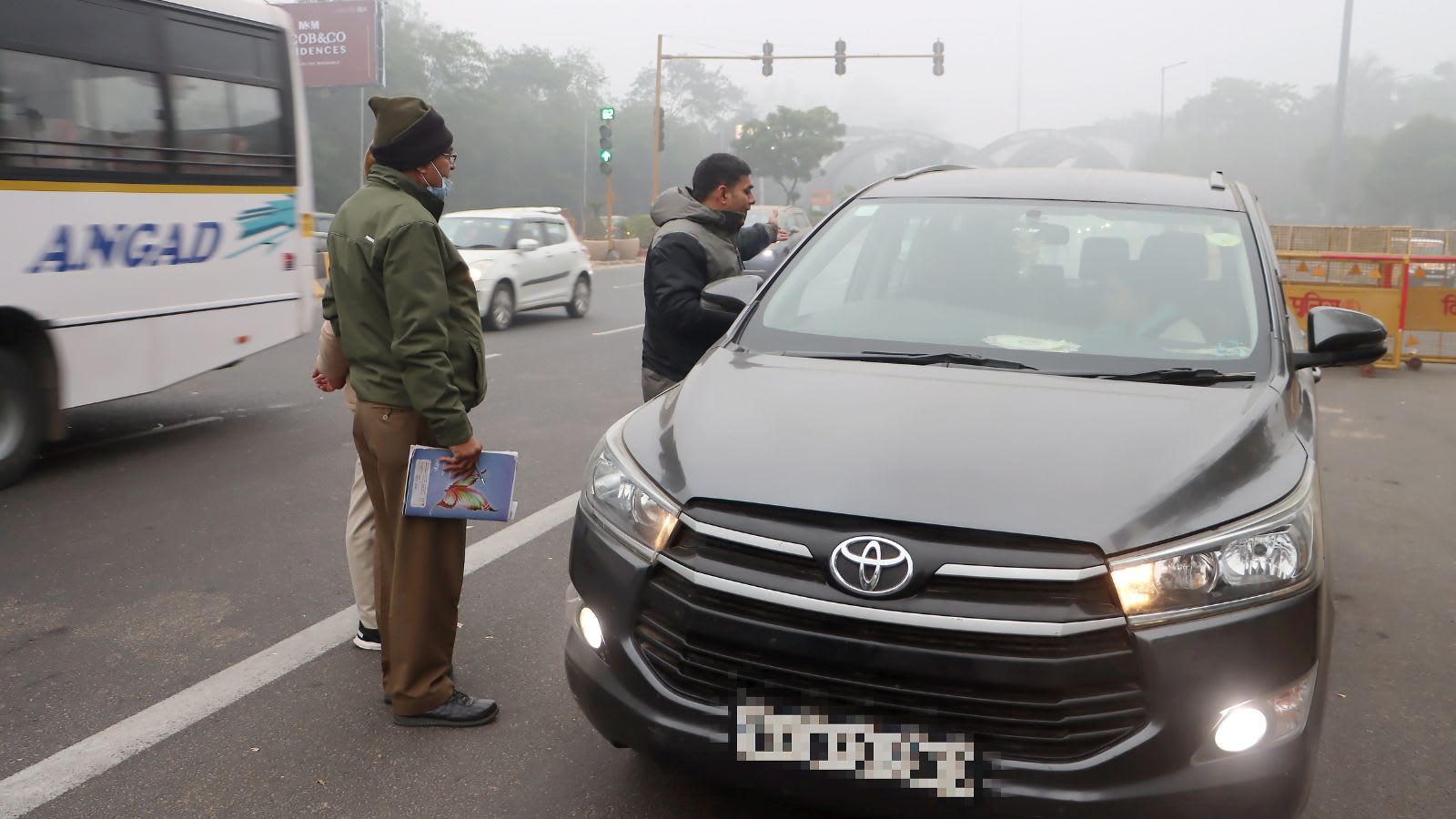
Delhi has implemented strict winter pollution control measures from November 1 to January 31, including a ban on non-BS-VI vehicles from outside the capital. These initiatives, coupled with construction curbs and office attendance adjustments, aim to address worsening air quality in the region.
Delhi’s Winter War on Pollution: A Seasonal Mandate
Starting November 1, the Delhi government has launched an extensive suite of pollution control measures designed to combat the capital's notoriously poor winter air quality. Running through January 31, these regulations represent a proactive shift that moves beyond the reactive Graded Response Action Plan (GRAP). By integrating vehicle restrictions, office attendance caps, and construction halts, the administration is attempting to create a multi-pronged defense against the seasonal smog that typically plagues the National Capital Region (NCR).
The Challenge of Trans-Border Vehicle Emissions
A central pillar of these restrictions is the entry ban on non-BS-VI petrol and diesel vehicles registered outside of Delhi. With approximately 48 lakh such vehicles registered in NCR districts adjacent to the capital—and over 3 crore across Uttar Pradesh, Haryana, and Rajasthan—the scale of the logistical challenge is immense. Because a significant portion of these vehicles, particularly two-wheelers, commute into the city daily, the enforcement task facing the Delhi Traffic Police is unprecedented. The restriction seeks to directly lower the volume of high-emission exhaust entering the city's air shed.
Broadening the Regulatory Framework
Beyond vehicle movement, the government is tackling the issue through systemic lifestyle and industrial adjustments. The mandate includes staggered office hours and reduced attendance, which serves to lower the density of commuter traffic during peak hours. Furthermore, the decision to increase parking fees is a deliberate economic lever intended to discourage the use of private vehicles in favor of public transit. These measures, while disruptive, are viewed as essential to curbing the cumulative emission load during the winter months when atmospheric conditions trap pollutants close to the ground.
Construction and Dust Mitigation
Dust remains a primary contributor to Delhi’s particulate matter levels. To address this, the government has imposed severe restrictions on outdoor construction activities. By limiting dust-generating work, authorities are targeting one of the most persistent sources of local pollution. These rules are particularly critical as the city enters the winter season, where a lack of high-speed winds prevents the dispersion of construction-related dust, leading to hazardous air quality levels that impact public health.
Historical Context and Future Trends
This year’s proactive stance follows a period where Delhi recorded its lowest October average AQI in eight years, hitting 166. While this suggests that earlier interventions have had a marginal positive impact, the government is clearly aiming to sustain this momentum through more aggressive winter policies. Looking ahead, the success of this three-month window will likely dictate future policy frameworks, potentially setting a precedent for permanent, year-round emission-based entry requirements for the NCR.
Conclusion
The effectiveness of these measures rests on the cooperation of millions of commuters and the diligence of enforcement agencies. As the city navigates the next three months, the focus remains on balancing economic mobility with the urgent necessity of breathing cleaner air. If these stringent controls successfully mitigate the spike in pollution typically seen in December and January, it could signify a major turning point in how Delhi manages its complex, cross-border environmental footprint.
Multiple Citing Sources