'You became PM because of foreign help': Rahul challenges PM Modi for open debate
Source Entity
ROHITASHWA RANJAN
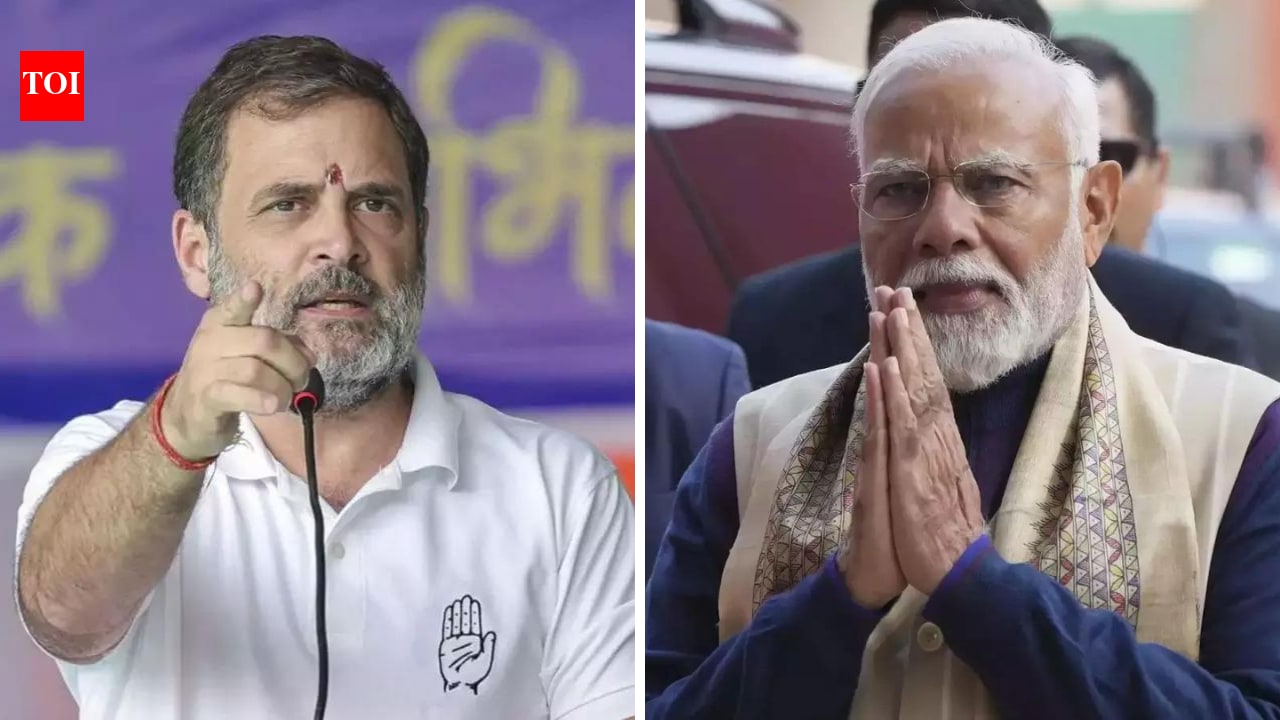
Rahul Gandhi has challenged Prime Minister Modi to an open debate, alleging the PM relies on foreign support to maintain power. Meanwhile, the BJP has countered by alleging internal friction between Rahul and Priyanka Gandhi within the Congress leadership.
The Escalating War of Words: Rahul Gandhi Challenges PM Modi
In a sharp intensification of political rhetoric, the Leader of the Opposition in the Lok Sabha, Rahul Gandhi, has issued an unprecedented challenge to Prime Minister Narendra Modi. Gandhi has publicly demanded an open debate, accusing the Prime Minister of ascending to and maintaining his office through the assistance of "foreign help." This accusation targets the core of the current administration’s legitimacy, specifically claiming that India’s financial systems and social media infrastructure are heavily influenced or controlled by foreign interests that favor the incumbent government.
The Nature of the Allegations
The conflict originated from a cycle of accusations where Prime Minister Modi previously charged the Opposition with soliciting foreign intervention to destabilize the nation. Gandhi’s rebuttal—delivered via social media—shifts the narrative, suggesting that the "foreign dependency" narrative is actually a reflection of the ruling party’s own architecture. By inviting the Prime Minister to a public debate, Gandhi is attempting to force a confrontation on issues of sovereignty, economic control, and digital governance, effectively turning the government's own platform of nationalism against itself.
BJP’s Counter-Narrative: Internal Discord
Simultaneous to this high-level policy clash, the Bharatiya Janata Party (BJP) has sought to undermine Gandhi’s position by highlighting alleged internal fissures within the Congress party. The BJP has claimed that the "Rahul camp" is experiencing insecurity regarding Priyanka Gandhi, alleging that she is being deliberately sidelined by her brother's inner circle. By focusing on these purported familial and organizational rifts, the BJP aims to characterize the Congress leadership as fragmented and preoccupied with internal power struggles rather than national governance.
Political Implications of the Debate Challenge
The challenge for an open debate is a high-stakes political gambit. Historically, such public confrontations are rare in Indian parliamentary politics and signify a desire to bypass traditional legislative hurdles to reach the electorate directly. If Gandhi persists in this narrative, he risks alienating moderate voters if he cannot provide tangible evidence for these "foreign help" claims, while the BJP risks appearing defensive if they ignore the challenge entirely. The public nature of the "any stage, any time" ultimatum places the onus on the Prime Minister to either engage or dismiss the claims as beneath the dignity of the office.
Analyzing the Strategic Landscape
Both the external challenge and the internal allegations represent a dual-front war. The Congress party is attempting to frame the BJP as a puppet of international interests, while the BJP is attempting to frame the Congress as a party incapable of unity. This exchange underscores the high volatility of the current political environment, where digital platforms are used as primary battlegrounds for messaging. As both parties continue to trade these accusations, the focus shifts away from traditional policy debate toward questions of national security, foreign influence, and internal party stability.
Conclusion
Ultimately, this confrontation highlights the deep polarization currently defining the Indian political landscape. While the specific charges of foreign influence remain contentious and unverified, the political strategy behind them is clear: to define the opponent's legitimacy in the eyes of the public. Whether this leads to a formal debate or continues as a cycle of social media hostility, the current rhetoric suggests that both sides are preparing for a long-term struggle characterized by increasingly aggressive accusations regarding the nature of power in modern India.