Please stop asking me when the AI bubble will pop
Source Entity
Elizabeth Lopatto
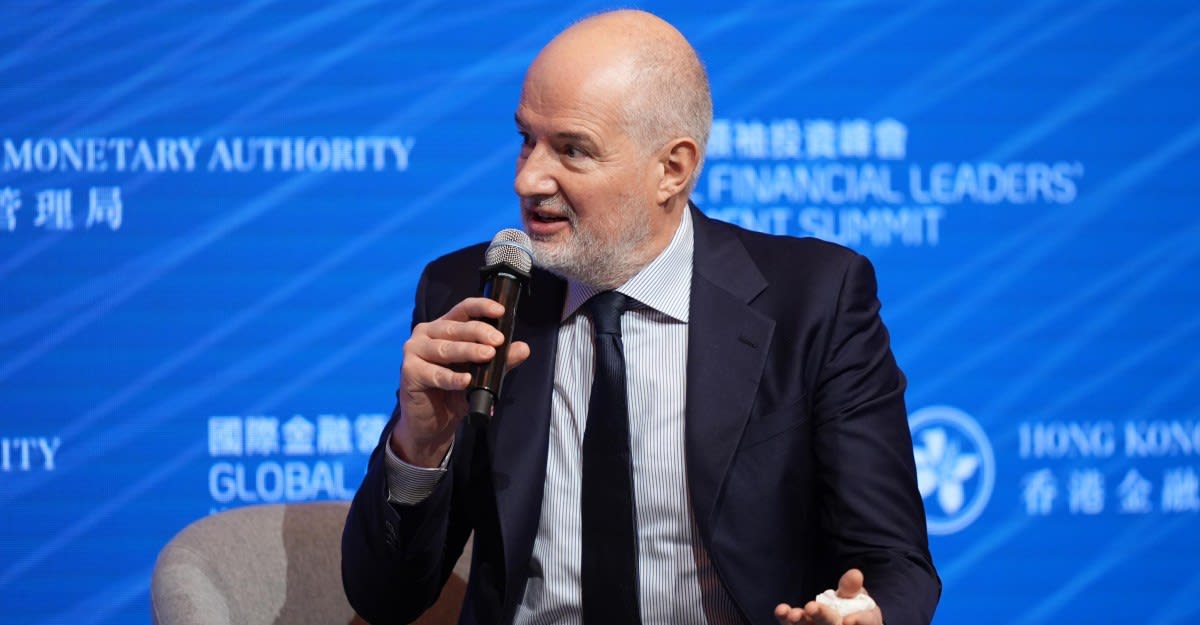
Financial leaders remain deeply divided over the sustainability of the current AI market surge. Experts suggest that predicting a 'bubble' is speculative, as the industry grapples with long-term valuation and risk assessment.
The Elusive Nature of the AI Bubble
The persistent inquiry regarding when the 'AI bubble' will burst reflects a broader market anxiety that permeates both Silicon Valley and Wall Street. As noted by industry observers, the inability to pinpoint a definitive collapse is not merely a lack of foresight but a testament to the complex, unprecedented nature of the current artificial intelligence boom. If market participants possessed a clear timeline for such a correction, the resulting capital reallocation would have likely already triggered the very market shift they fear.
Divergent Perspectives on Financial Risk
Recent insights from the 2026 Global Financial Leaders’ Investment Summit in Hong Kong highlight a critical schism among institutional investors and CEOs. While some view the massive capital expenditure in AI infrastructure as a foundational technological shift akin to the internet revolution, others express trepidation regarding the actual return on investment (ROI). This division is characteristic of early-stage adoption cycles, where the potential for transformative growth often outpaces immediate profitability metrics.
Historical Parallels and Market Maturity
Historically, technological bubbles are identified in hindsight, often when the disconnect between valuation and underlying revenue becomes unsustainable. The current AI narrative is distinct because it is fueled by established, cash-rich tech giants rather than speculative startups alone. This institutional backing provides a buffer, yet it also raises questions about whether the current high valuation of AI-related equities can be sustained if enterprise adoption rates do not accelerate as projected.
The Human Element in Tech Forecasting
Beyond the charts and balance sheets, the narrative of the AI bubble is shaped by human behavior and media sentiment. Reporters covering the intersection of technology and finance have observed that the anxiety surrounding the 'pop' often stems from a fear of missing out (FOMO) on one side and a fear of catastrophic loss on the other. This psychological tension influences how financial leaders communicate their risk tolerance, often creating a feedback loop of market volatility.
Future Trends and Strategic Outlook
Looking ahead, the market is likely to undergo a period of 'rationalization' rather than an immediate, total collapse. As the initial excitement of generative AI matures into practical, revenue-generating applications, companies that fail to demonstrate tangible utility will likely see their valuations adjust. The focus will inevitably shift from raw compute power and model size to sustainable business integration and efficiency gains.
Conclusion: Navigating Uncertainty
Ultimately, the discourse surrounding the AI bubble serves as a mirror for the current state of global finance. It is a period defined by extreme innovation tempered by cautious skepticism. For investors and observers alike, the lesson remains clear: while the technology itself is undoubtedly reshaping the global economy, the financial instruments built upon it must be scrutinized with the same rigor applied to any other major industrial transition.