On Government agenda: New Rs 2,800-crore capex scheme for critical minerals
Source Entity
Pratyush Deep
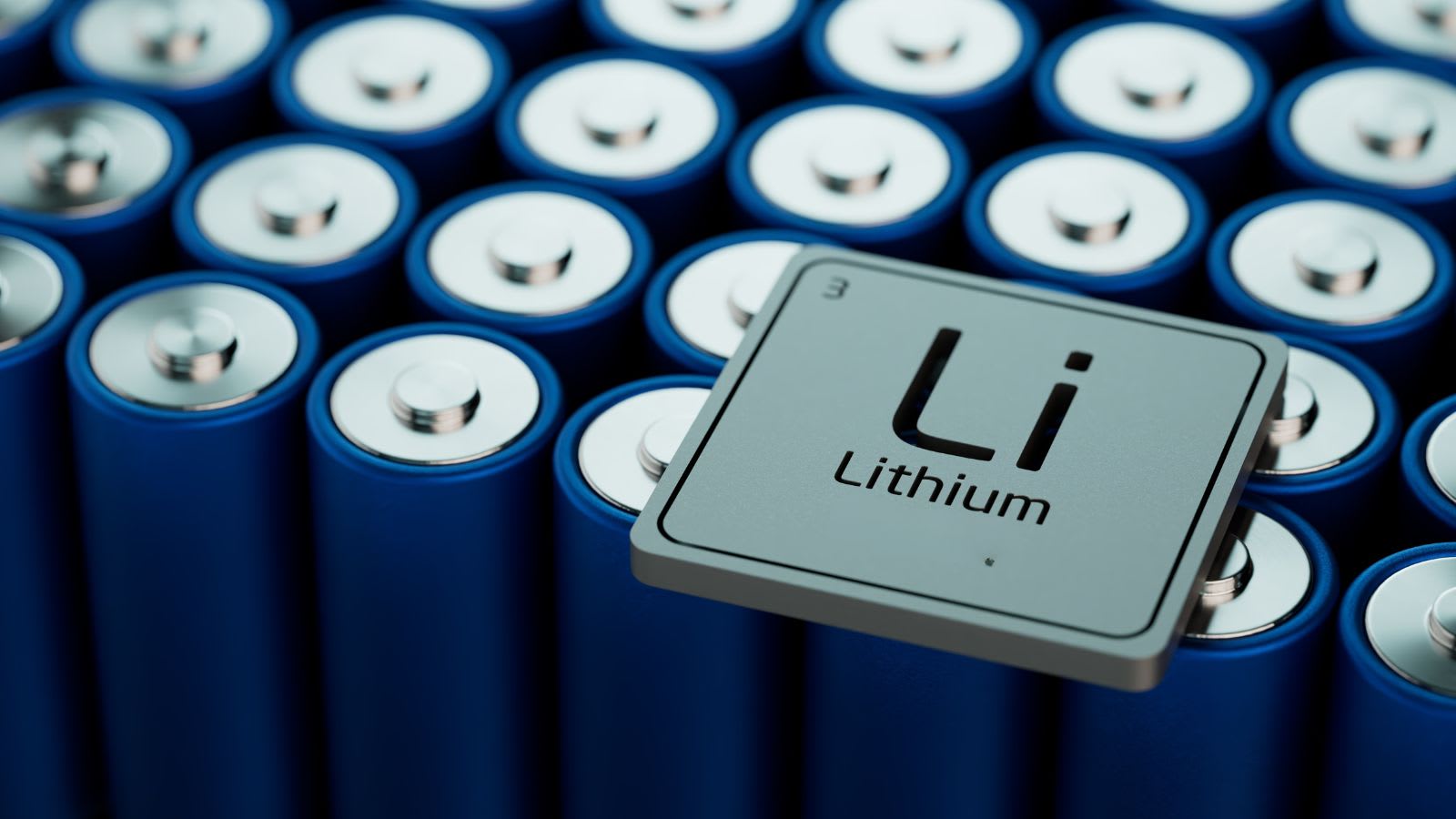
The Union Cabinet has approved a Rs 14,500 crore viability gap funding scheme for 92 GWh of grid-scale energy storage and is considering a Rs 2,800 crore capex support scheme for critical mineral processing. These initiatives aim to bolster India's renewable energy goals and domestic battery supply chain.
India's Strategic Push for Energy Independence and Critical Minerals
On November 4, 2026, the Union Cabinet took decisive steps to reshape India’s energy landscape by approving a ₹14,500 crore viability gap funding (VGF) scheme for grid-scale energy storage and advancing a proposed ₹2,800 crore capex support program for critical mineral processing. These synchronized policy moves signal a robust shift toward securing the domestic supply chain necessary for a transition to green energy, directly addressing the infrastructure hurdles that have historically hindered large-scale renewable integration.
Scaling Grid-Scale Energy Storage
The approved VGF scheme, spanning FY27 to FY31, targets a massive 92 GWh of storage capacity. By diversifying across three distinct technologies—Battery Energy Storage Systems (30 GWh), Pumped Storage Projects (60 GWh), and Emerging Storage Technologies (2 GWh)—the government is hedging its bets against technological bottlenecks. This multifaceted approach is essential for India to manage the intermittency of renewable sources and meet its ambitious target of 500 GW of renewable energy capacity by 2030.
Strengthening the Mineral Value Chain
Parallel to the storage initiative, the government is focusing on the upstream supply chain through a proposed ₹2,800 crore capex scheme aimed at critical mineral processing. By providing financial support—reportedly up to 30% for processing plants—the state intends to catalyze the development of domestic facilities capable of refining lithium, nickel, and cobalt. These minerals are the lifeblood of modern technology, particularly for the high-capacity Li-ion batteries that underpin both consumer electronics and the burgeoning electric vehicle (EV) sector.
The Role of By-product Recovery
An insightful aspect of the proposed mineral policy is the emphasis on cobalt recovery as a by-product of nickel production. This strategic focus on mineral extraction efficiency demonstrates a nuanced understanding of global supply chain vulnerabilities. By fostering an ecosystem where high-purity compounds are refined domestically, India aims to reduce its heavy reliance on foreign imports, thereby insulating its manufacturing sector from global price volatility and geopolitical supply disruptions.
Economic and Industrial Implications
The synergy between VGF for storage and capex support for minerals creates a powerful incentive structure for private sector investment. Historically, the high capital costs associated with grid-scale storage and mineral processing have deterred private players. By bridging this viability gap, the government is effectively de-risking these projects, which is likely to accelerate industrial participation and foster a competitive domestic ecosystem for advanced battery technology.
Future Trends and Strategic Outlook
Looking ahead, these policies place India in a stronger position to lead in the global energy transition. As the nation scales its 92 GWh storage capacity, the demand for domestically processed lithium and nickel will inevitably surge. If these schemes are implemented effectively, they will not only facilitate the 2030 renewable energy targets but also establish India as a regional hub for battery component manufacturing, potentially creating significant employment opportunities and fostering deep-tech industrial growth.