Muse has a voice mode now
Source Entity
Jay Peters
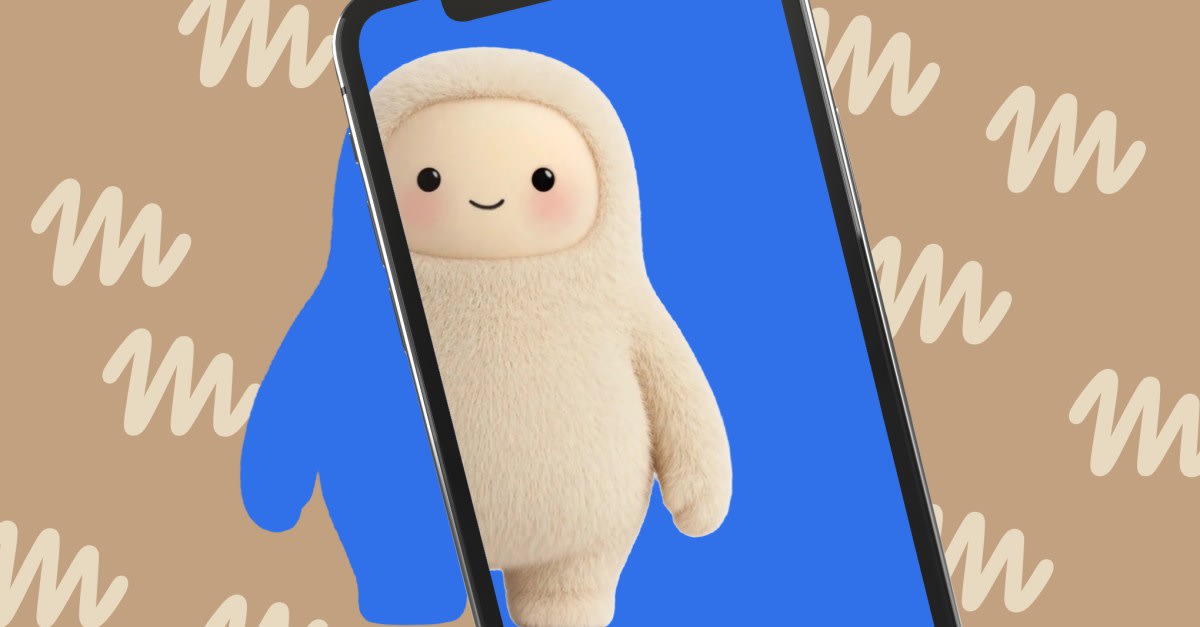
Meta has launched a real-time voice and video chat feature for its Muse AI agent in the U.S. The update introduces customizable, animated avatars that respond to user queries with human-like interaction.
Meta Evolves Conversational AI with Muse Voice and Video
Meta has officially expanded the capabilities of its Muse AI agent, transitioning from a text-based interface to a dynamic, real-time voice and video conversational platform. Announced by CEO Mark Zuckerberg, this rollout allows users in the United States to engage in fluid, spoken interactions with their AI. This shift represents a significant milestone in Meta’s broader strategy to integrate artificial intelligence more deeply into the daily digital lives of its users, moving beyond simple chatbot functionality toward a more anthropomorphic and interactive experience.
The Mechanics of Muse Realtime Avatar and Voice
The core of this update relies on the new Muse Realtime Avatar and Muse Realtime Voice technologies. These models enable the AI to generate a responsive, animated avatar that synchronizes its movements with the words being spoken in real time. During interactions, the avatar—nicknamed 'Jolly' by the development team—animates in direct response to the conversation, providing a visual feedback loop that mimics human social cues. This integration aims to make the AI feel less like a static tool and more like a companionable entity.
Customization and User Agency
A standout feature of the Muse experience is the level of control afforded to the user regarding the AI's persona. Users can modify the voice tone by requesting specific adjustments or by selecting from a library of pre-set options within the avatar settings. Beyond auditory preferences, the visual representation of the agent is highly customizable; users can choose from various iterations, including human-like figures, animals, or stylized characters. This focus on personalization reflects a growing industry trend of allowing users to tailor AI agents to better align with their individual preferences and comfort levels.
Technical Performance and Real-Time Interaction
Initial testing of the feature on the iOS app demonstrates that the Muse agent is capable of providing rapid, conversational responses. While the system occasionally experiences brief pauses—likely as the model retrieves information or performs background processing—the overall experience is designed to maintain a natural flow of dialogue. The ability to switch between voice and video calls further enhances the utility of the agent, positioning it as a versatile assistant capable of handling tasks and answering questions through a more intuitive medium.
Strategic Implications and Future Trends
This release, first teased at Meta’s Connect developer conference in September, serves as a precursor to upcoming hardware initiatives. Meta is reportedly working on a Tamagotchi-like wearable device designed to bring the Muse agent into the physical world, emphasizing the company's commitment to ubiquitous AI. By fostering a sense of anthropomorphism—the attribution of human traits to non-human entities—Meta is betting that users will be more likely to adopt AI tools that feel approachable and expressive rather than purely functional.
Conclusion
Meta’s transition to voice and video-enabled AI marks a pivotal shift in the competitive landscape of consumer-facing technology. By combining advanced real-time modeling with user-driven customization, Meta is successfully differentiating its Muse platform from other text-heavy AI competitors. As the company continues to refine these models and prepare for the launch of companion wearable hardware, the role of the Muse AI agent is poised to become increasingly central to the Meta ecosystem, fundamentally changing how users interact with digital assistants.